As Algeria, Libya, and the United Arab Emirates reposition their influence, one question looms larger than ever: Is Niger becoming the new geopolitical fulcrum of the Sahel? Recent diplomatic and military maneuvers suggest Niamey is no longer just fighting insurgencies—it’s emerging as a key player in a high-stakes regional chessboard where alliances shift by the hour. With the Libyan eastern command, Algiers, and Abu Dhabi all staking claims, the stakes couldn’t be higher for Niger’s sovereignty and the balance of power across the Sahara.
Why the Libyan Eastern Command is courting Niger
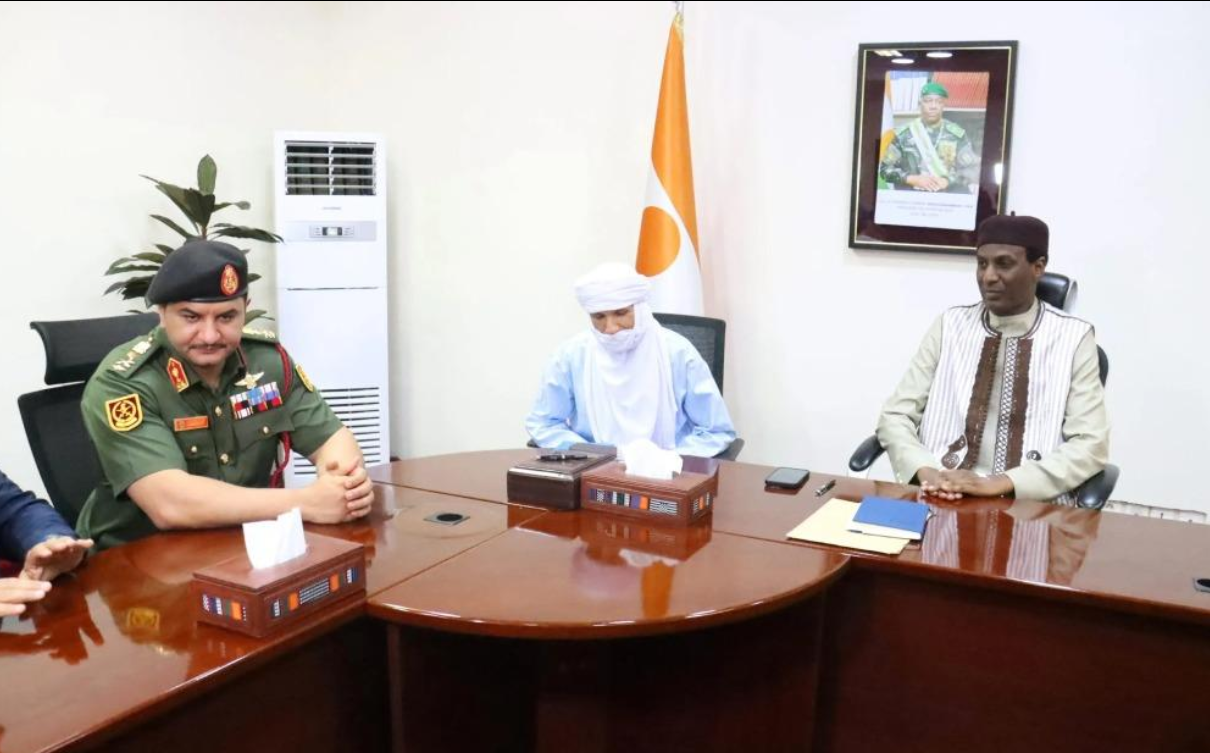
On a foggy November morning in Benghazi, Niger’s Prime Minister Ali Mahaman Lamine Zeine sat down with Saddam Haftar, deputy commander of Libya’s eastern forces, to sign a sweeping strategic cooperation protocol. While the full details remain classified, this accord signals a clear ambition: Niamey is diversifying its security and political partnerships beyond traditional allies. Days later, Khaled Haftar—top military chief of eastern Libya—landed in Paris for talks with French army chief Fabien Mandon. While officials downplay any coordinated front against Niger, the timing suggests a fresh wave of diplomatic engagement that refuses to ignore the Sahel’s shifting currents.
Algeria’s bold move to anchor its influence
In a parallel play, Algeria’s foreign minister Ahmed Attaf arrived in N’Djamena on November 3 as a presidential envoy, delivering a message from President Abdelmadjid Tebboune to Chadian leader Mahamat Idriss Déby Itno. The visit wasn’t just protocol—it underscored a deeper agenda: reviving the 27 bilateral agreements between Algiers and N’Djamena, reasserting Algeria’s role in the Sahel, and shoring up security coordination. With threats spilling across borders and trafficking routes pulsing through the Sahara, Algeria sees Chad—and by extension, Niger—as critical to its own national security.
From rivalry to reassessment: Algeria’s realignment
But Algeria isn’t acting in a vacuum. Relations between Niamey and N’Djamena have frayed, with Niger accusing Chad of involvement in a destabilization campaign—without publicly substantiating the claim. Chad and France, in turn, have been quietly rebuilding military ties after a 2024 defense pact collapse. For Algeria, deepening ties with Chad isn’t just bilateral diplomacy; it’s a strategic gambit to prevent a vacuum that could let other powers fill the void. Morocco, too, has been expanding its footprint across the Sahel, prompting Algerian watchers to question whether Rabat, Abu Dhabi, and eastern Libya might be converging on shared interests—if not a formal bloc.
How Abu Dhabi’s shadow looms over Libya’s southern flank
The United Arab Emirates has long backed Khalifa Haftar’s eastern Libyan forces, offering political and military support that has outlasted previous episodes of fluctuating engagement. For Algiers, this alliance raises red flags. Libya’s southern regions—and the corridors linking it to Niger—are lifelines for smuggling, energy flows, and population movements. Any expansion of Haftar’s influence toward the Fezzan risks altering the security calculus Algeria has long guarded. When Niger’s PM traveled to Benghazi just days before Haftar’s Paris visit, it wasn’t just coincidence—it was a sign that Niamey is positioning itself as a crossroads where regional actors intersect.
Is France losing its grip—or recalibrating?
France, once the Sahel’s dominant security player, has seen its presence shrink dramatically. Yet recent contacts, including Haftar’s meeting with French military leadership, suggest Paris isn’t absent—it’s recalibrating. These interactions reflect a broader reality: no single power now dictates the Sahel’s trajectory. Instead, the region is becoming a patchwork of overlapping partnerships, competing narratives, and fluid alliances where Niger sits at the center.
What’s at stake for Niger—and the wider Sahel
Niger isn’t just a battleground for jihadist groups anymore. It’s a geostrategic prize. Its geography—sandwiched between Libya, Algeria, Chad, and Mali—makes it a gateway between North and Sub-Saharan Africa. Energy reserves, trade routes, and human mobility all converge here. The Algerian parliament’s late-October approval to deploy troops in Niger signals a new chapter: Algeria is no longer just watching from the sidelines. It’s positioning itself to protect its interests by securing its southern approaches.
Meanwhile, Niger’s leadership is deftly navigating these waters, signing military accords with Algiers, engaging Benghazi, and keeping channels open in Paris. The message is clear: Niamey won’t be tethered to a single patron. But the risk is real. As external powers jockey for influence, Niger could become the flashpoint where regional ambitions collide—and the Sahel’s future is written.
The bottom line: A new phase of Sahelian geopolitics
The past weeks of diplomacy and military parleys aren’t just headlines. They mark a turning point. The Sahel is no longer just a zone of counterterrorism operations. It’s an arena where old alliances fray, new blocs form, and the fate of nations is decided not by insurgents alone, but by the strategic decisions of regional heavyweights. And in this evolving landscape, the question isn’t whether Niger will be a pivot—but how much power it can hold onto as others push to tilt the board in their favor.