What the midterms outcome means for Trump’s foreign policy ambitions
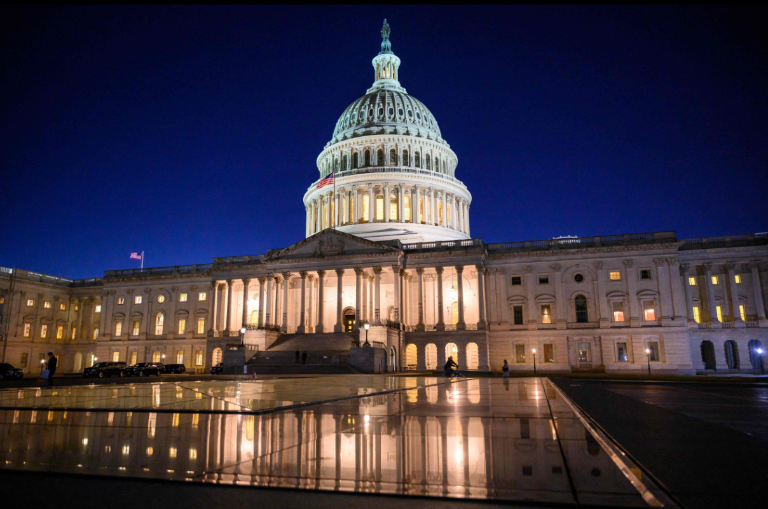
The decisive Democratic takeover of both chambers of Congress in the November 3 midterms has delivered Donald Trump one of the most significant political setbacks of his career. Just two years into his second term, the president now faces a legislative opposition determined to challenge his agenda—and the ripple effects may extend far beyond U.S. borders. With the new Congress set to convene in January 2027, the balance of power in Washington is about to shift dramatically, raising a critical question: can the legislature truly alter the trajectory of U.S. foreign policy under Trump?
How Congress could limit Trump’s global strategy
Under the previous Republican-controlled Congress, Trump’s foreign policy initiatives advanced with minimal resistance. That era is ending. With Democrats in charge of the House and Senate, the administration faces new constraints: budgetary oversight, legislative inquiries, confirmation hearings for diplomatic appointees, and potential blockades on funding for key initiatives. Yet the president retains critical executive powers—including final say over military deployments and veto authority over congressional bills—meaning the transition may not lead to an immediate policy reversal, but it will certainly heighten friction in decision-making.
The clash between branches of government introduces a new layer of uncertainty into America’s international posture. Allies and adversaries alike are left wondering: how coherent can U.S. foreign policy remain when domestic political divisions run so deep?
Iran conflict: a test of congressional authority
The ongoing U.S. military involvement in Iran—launched in February 2026 without prior Congressional approval—has fueled public skepticism and sparked debate over executive overreach. The new Democratic majority could push for stricter funding oversight, greater transparency regarding covert operations, and accountability measures that could constrain Trump’s options in the region. However, Congress lacks the unilateral power to halt a military campaign already in progress. The result: a standoff that risks paralyzing Washington’s ability to respond strategically, potentially emboldening U.S. rivals to exploit perceived American weakness.
Ukraine and Europe: the hope for renewed stability
For European allies, the midterms results signal a possible return to a more predictable transatlantic partnership. Trump’s skepticism toward NATO and shifting support for Ukraine have unsettled partners across the continent. Democratic control of Congress may encourage legislative efforts to restore funding, strengthen sanctions on Russia, and reaffirm America’s commitment to European security. Yet caution is warranted: while Congressional allies may emerge, the president still holds final authority over military deployments and diplomatic negotiations. The question remains: will Europe regain a stable partner in Washington, or will the presidency and Congress continue to pull in opposite directions?
Trade wars: a second front in the political divide
Trump’s aggressive tariff policies have not only strained relations with key trade partners but have also fueled inflation and market volatility. The incoming Democratic majority could seek to enhance congressional oversight of trade decisions, challenge unilateral tariff hikes, and push for legislative adjustments to mitigate economic harm. Still, the executive retains significant leeway under existing trade laws. Until both branches find common ground, uncertainty will persist—and with it, the risk of prolonged trade disputes that weaken global economic stability.
A superpower at risk of losing its strategic edge
These midterms mark more than a political shift—they represent a turning point in America’s ability to project global influence. The country remains a military and economic titan, yet its internal divisions now threaten the consistency required to lead in an increasingly multipolar world. With the 2028 presidential election looming, Trump enters a precarious period. The stakes are no longer confined to domestic policy; they now include America’s capacity to sustain its role as a reliable ally, a deterrent force, and a leader in global governance. The world is watching: can the U.S. unite behind a single foreign policy, or will its divisions become a liability on the world stage?