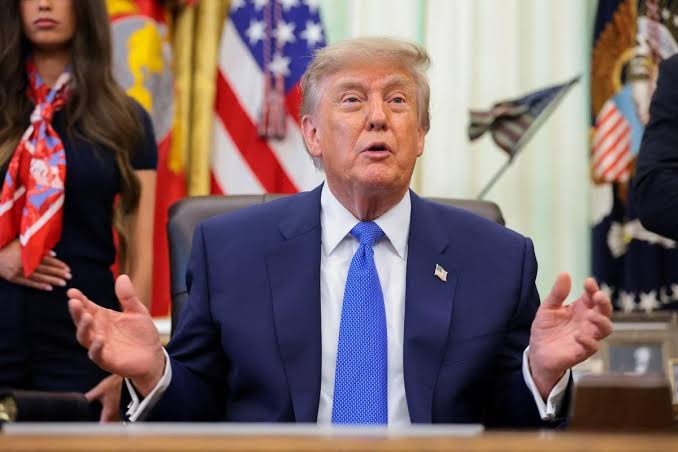
Why the 2026 midterms could flip political power against the former president
The 2026 United States midterm elections, held on November 3, delivered a decisive shift in Washington’s political dynamics. As final vote counts were tallied on November 4, projections confirmed that Democrats had regained control of both the House of Representatives and the Senate. This outcome places Donald Trump’s final stretch in the Oval Office under a unified opposition majority, setting the stage for intensified clashes in the nation’s capital.
For the Republican Party, the results marked a substantial electoral setback. After holding majorities in both chambers for years, voter discontent over economic pressures and disapproval of the administration’s policies reshaped the political map. Democratic candidates seized on these frustrations, crafting campaigns that resonated strongly with independent and suburban voters across key states.
Historic victories and unexpected Senate seat flips
Democrats successfully flipped multiple Senate seats previously held by Republicans, including tight races in North Carolina, South Carolina, Ohio, Texas, Kansas, Iowa, and Maine. These gains secured a Democratic majority beginning in January 2027. In the House, Democrats also clinched critical victories in redistricted battlegrounds, particularly in Florida and Pennsylvania, where political maps were redrawn to favor competition.
One of the most closely watched contests unfolded in Ohio, where Democratic incumbent Sherrod Brown mounted a dramatic comeback, unseating Republican Senator Jon Husted. Brown, who lost in 2024, will return to the Senate after a two-year absence. In Maine, Democratic challenger Troy Jackson defeated long-serving Senator Susan Collins, a Republican stalwart, in a tight race.
The most groundbreaking victory occurred in Michigan, where Abdul El-Sayed became the first Muslim American elected to the U.S. Senate. His election reflects a growing trend toward greater diversity in political leadership and symbolizes shifting voter priorities in American politics. Meanwhile, in Alaska, vote-counting continued late into the night, leaving one pivotal Senate contest unresolved as of early November 4.
Divided government: what it means for Trump’s final-term agenda
The Democratic takeover of both chambers signals the return of divided government, a dynamic that often leads to legislative stalemates. With full control of Congress, Democrats will steer policy agendas, advance key initiatives, and launch oversight investigations targeting the White House. Such moves could obstruct or significantly delay several of Trump’s final-term priorities, especially in economic and regulatory areas.
Democratic leaders have already outlined their priorities: tackling inflation and enhancing government transparency. The party intends to advance legislation aimed at easing the financial burden on households—a concern at the forefront of voters’ minds. Republicans, meanwhile, have vowed to push back against what they describe as “extreme left-wing policies,” setting the stage for ongoing political battles through the end of Trump’s term.
The midterms as a verdict on leadership and governance
Midterm elections frequently act as a public judgment on the current administration’s effectiveness. In 2026, voters sent a clear message: frustration with economic conditions and perceived misgovernance outweighed partisan loyalty in many swing states. The Democratic wave, which extended into traditionally conservative regions, signals a broader evolution in the electorate’s priorities.
While vote-counting continued in several races on November 4, the overall trend was unmistakable. Democrats had secured enough seats to reclaim both chambers, though the final size of their majority remained uncertain. As the dust settles, Washington now faces a period of heightened partisan conflict—a development likely to shape the final years of Trump’s presidency and influence the political landscape ahead of the 2028 election.