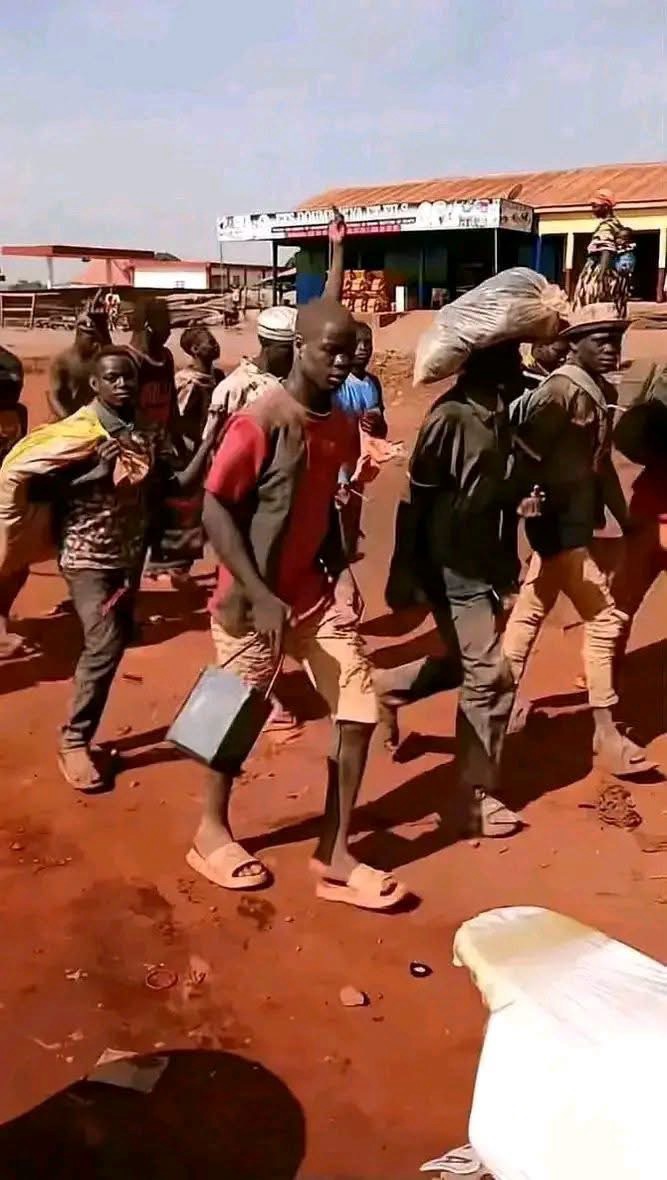
Illicit gold mining exposes regional environmental fragility
The unchecked spread of illegal gold mining across West Africa raises a pressing question for Burkina Faso: how long can its government remain indifferent to the environmental fallout when its citizens are directly involved in degrading neighbouring lands?
Cross-border consequences of gold extraction
While clandestine gold panning may appear to offer quick financial gain, its repercussions transcend national frontiers. Communities from Benin to Ghana endure eroded soils, poisoned rivers, and abandoned mine pits that render agricultural land unusable indefinitely. The environmental degradation inflicted upon these nations often outlasts the fleeting profits reaped by individual prospectors.
Irreversible damage to ecosystems
Each illegal operation carves scars into the landscape, stripping vegetation and redirecting watercourses. The cumulative effect diminishes biodiversity and disrupts local livelihoods dependent on fertile land and clean water. These transformations are not merely aesthetic; they represent a permanent alteration of the natural resource base that sustains rural populations.
Legal accountability vs. diplomatic confrontation
When Burkinabè nationals are expelled for participating in illicit mining abroad, the response from decision-makers often prioritises political posturing over pragmatic solutions. While consular protection is a sovereign duty, it should not overshadow the obligation to address the root of the problem: the systematic violation of environmental laws in neighbouring territories.
Principles of regional environmental stewardship
Environmental responsibility demands consistency. Burkina Faso cannot advocate for the protection of its own lands while countenancing the exploitation of others. The principle applies universally: ecosystems do not recognise national boundaries, and neither should the standards that govern their preservation.
Learning from regional precedents
As illegal operations intensify, Burkina Faso faces a strategic choice. Will it continue to allow its citizens to exploit foreign lands with impunity, or will it take decisive steps to curb these activities? The answer will define its credibility in regional environmental governance and determine whether its own communities will face the same fate in future years.
The mirror effect: when illegal mining comes home
Consider the irony if similar practices emerged within Burkina Faso itself. Would local farmers accept the sudden transformation of their ancestral lands into denuded pits and toxic water sources? The hypothetical scenario underscores a fundamental truth: environmental destruction, wherever it occurs, ultimately affects all. The principle of reciprocal respect must guide policy decisions today to avert collective crisis tomorrow.
Building a sustainable regional approach
Rather than framing the issue as a national grievance, Burkina Faso has an opportunity to champion a unified stance on environmental protection. Strengthening cross-border cooperation, implementing stricter controls on mining activities, and enforcing penalties for offenders would signal commitment to shared ecological values. Such measures would not only safeguard neighbouring nations but also reinforce Burkina Faso’s own environmental resilience.