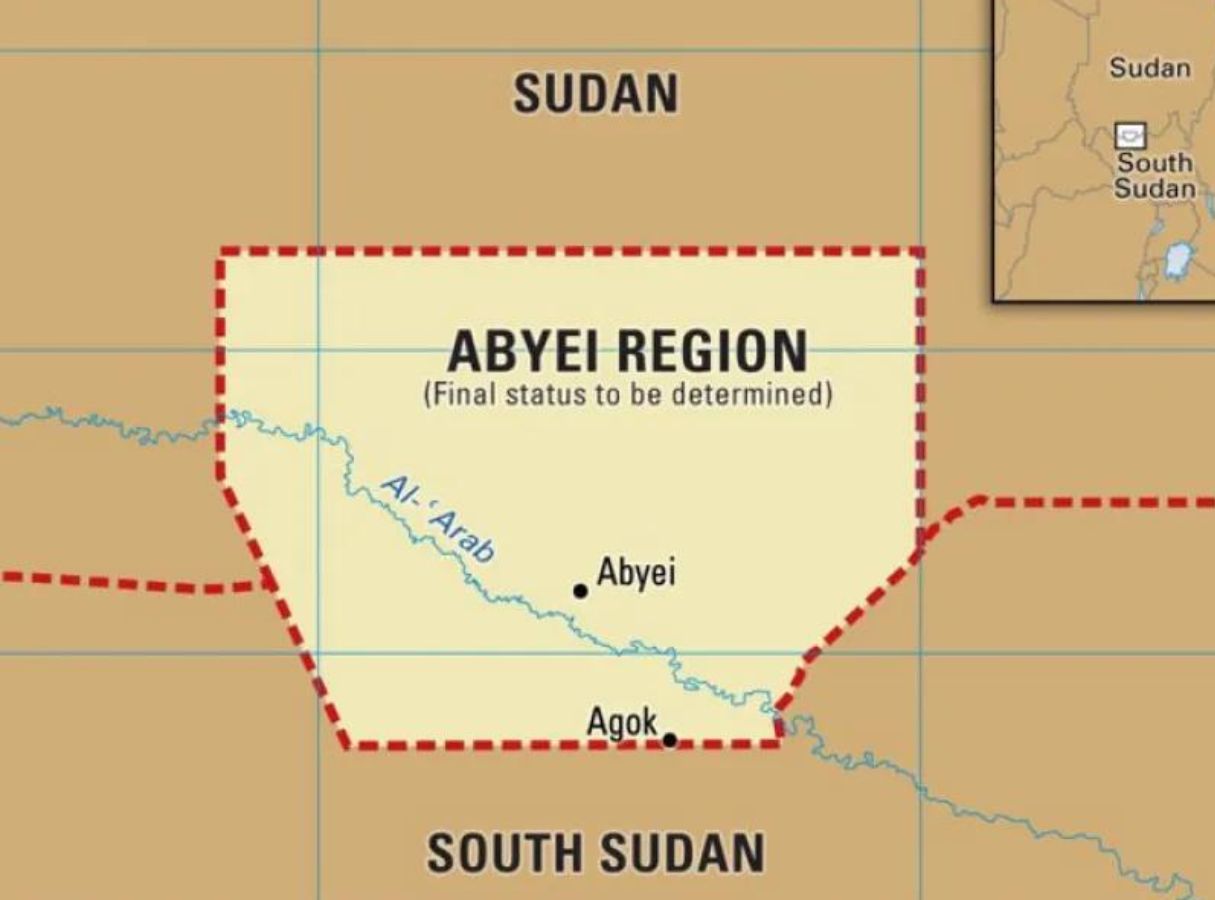
The calm of a bustling marketplace in Abyei erupted into chaos when what locals believe was a drone strike tore through the heart of Amiet market, leaving at least 73 civilians dead and 19 injured. The timing of the attack, during peak trading hours, has raised urgent questions about the targeting of civilian infrastructure and the growing military spillover from Sudan’s ongoing conflict into neighboring regions.
What happened at Abyei’s Amiet market?
On the morning of October 19, 2026, shortly before noon, multiple explosions rocked the Amiet market, a key commercial hub straddling the border between Sudan and South Sudan. The attack targeted vital trade zones, including fuel depots and food stalls, sparking fires that hampered rescue efforts. Dense smoke blanketed the area, complicating the recovery of victims and delaying the arrival of medical assistance.
The market serves as a lifeline for communities on both sides of the border, offering everything from fuel and medicine to building materials and daily essentials. Traders from Sudan and South Sudan alike rely on this marketplace for survival, making its destruction not just a humanitarian tragedy, but a potential economic shockwave across the region.
Who is responsible for the attack?
While authorities in Abyei have blamed the Sudanese Armed Forces for the strike, no independent verification has yet confirmed these claims. The airspace over Abyei remains contested, with both countries claiming jurisdiction over the territory following decades of unresolved border disputes. The absence of an official response from Khartoum only deepens the uncertainty surrounding the attack’s true origins.
Without clarity on whether the strike was deliberate or collateral damage, the international community faces a pressing challenge: determining whether this was a violation of international humanitarian law—or an unfortunate consequence of war. The provisional nature of the casualty count further underscores the need for a transparent investigation to distinguish between civilian casualties and potential military objectives.
Juba’s bold diplomatic move amid fragile relations
In a rare display of firmness, South Sudan swiftly summoned Sudan’s ambassador in Juba to deliver an official protest, citing grave concerns over civilian safety and regional stability. The move signals a hardening stance from South Sudan, which has historically sought to balance tensions while maintaining economic and social ties with its northern neighbor.
The government emphasized the use of existing diplomatic channels to resolve disputes, particularly over Abyei, a territory both nations claim. Yet the timing of the protest—so close to a devastating attack—suggests that patience may be wearing thin. At this stage, no retaliatory measures have been announced, leaving observers to wonder whether this is a calculated step to de-escalate or a precursor to harsher action.
Abyei: the powder keg of Sudan-South Sudan relations
Abyei remains one of Africa’s most volatile territorial disputes, its unresolved status dating back to South Sudan’s 2011 independence. Rich in oil reserves and strategically positioned along key trade routes, the region’s fate has fueled decades of tension, involving competing claims of citizenship, political rivalries, and the interests of local communities.
The outbreak of war in Sudan in 2023 has only intensified the volatility. Cross-border trade, essential for the survival of countless families, has been disrupted by military operations, displacement crises, and the shifting control of armed groups. Reports indicate that the Amiet market also supplies fuel to parts of Sudan, adding a layer of strategic importance that may have contributed to its selection as a target.
Will this tragedy prompt real change?
As survivors grapple with loss and rescuers push to identify victims, the international community faces a critical test: will this attack trigger a credible investigation and concrete measures to protect civilians, or will it merely become another chapter in the region’s escalating crisis? The answer may hinge on whether Sudan and South Sudan can set aside their disputes long enough to prioritize human lives over political and military ambitions.
One thing is clear: the people of Abyei did not choose this conflict. Their markets, their homes, and their futures are caught in a geopolitical storm they cannot control. The question now is whether the world will act to shield them—or look away as another preventable tragedy unfolds.