From Lens to Wembley: the night a French club rewrote football history
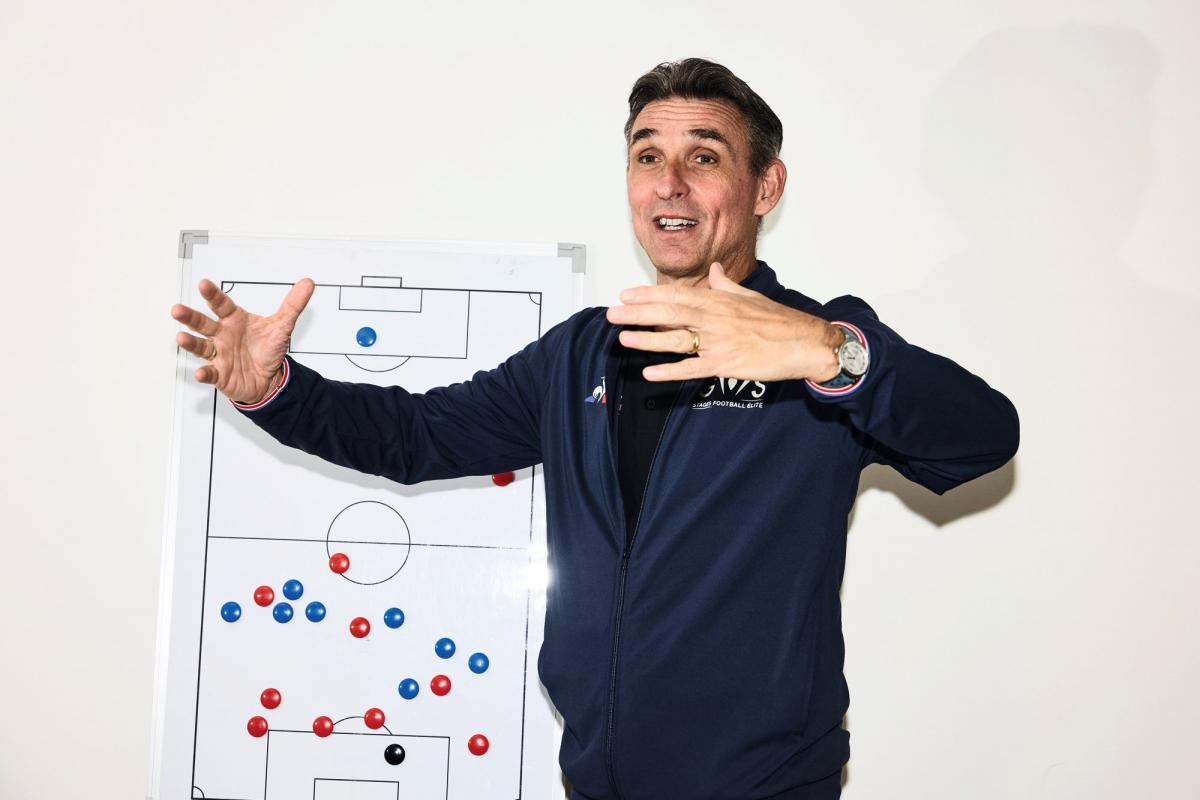
On November 25, 1998, RC Lens made history by becoming the first French club to triumph at the iconic Wembley Stadium in London. Former goalkeeper Guillaume Warmuz, now 55, reflects on that unforgettable Champions League night.
Guillaume Warmuz still recalls the electric atmosphere as if it were yesterday. “When we arrived at our London hotel, we immediately felt the weight of the occasion. Playing against Arsenal, the reigning English champions, in the historic surroundings of Wembley was a once-in-a-lifetime opportunity. We had just won the French league title, and this match was our reward—we couldn’t afford to waste it. Our mindset was simple: savor the moment, play without pressure, and give everything on the pitch.”
“A moment of pure footballing joy”
The day before the match, Daniel Leclercq—nicknamed “Le Druide”—told the team to focus solely on preparation without overthinking the stakes. Warmuz remembers the feeling of reluctance to leave the training pitch. “As our bus approached Wembley, we knew we were part of something historic. The stadium’s grandeur was overwhelming, and we could already sense the magnitude of what was about to unfold.”
Tactical boldness: playing high and attacking
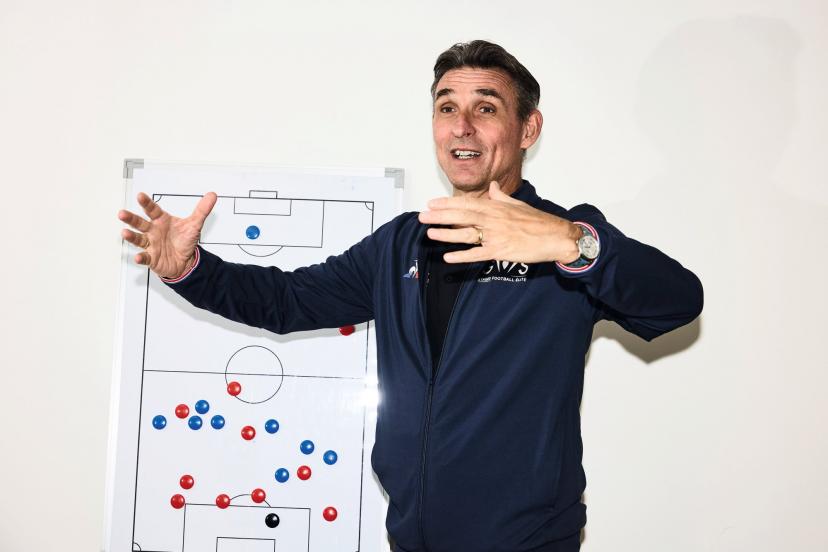
Leclercq’s instructions were clear: “We deserved to be here—now we have to seize the moment. Attack relentlessly; don’t let them dictate the game.” The French manager compared the match to a boxing bout, urging his players to impose themselves physically. Warmuz explains the tactical shift: “We usually played with three central defenders, but to press high and dominate, we switched to a back four. Frédéric Déhu and Cyrille Magnier formed a dynamic defensive duo, covering wider areas and anticipating plays. Our approach was aggressive—no defensive focus on Arsenal’s stars like Nicolas Anelka or Marc Overmars. We trusted our zone defense, intensity, and ability to recover the ball quickly.”
The pivotal moments: Warmuz’s heroics
The match began at a frantic pace. In the opening minutes, a cross reached Wreh inside the box, but he mishit his shot. Warmuz admits he “slapped himself mentally”—this was no ordinary game. Then came his first decisive intervention: a lightning-fast recovery on Marc Overmars (6th minute), racing upfield to intercept the ball near midfield. The turning point arrived in the 31st minute. Anelka broke free behind our defense, and Warmuz had to sprint out to close him down. He recalls: “I realized I was going to be late, so I paused and thought: ‘If I try to play the ball, I’m dead.’ Instead, I anticipated his move, tackled him cleanly, and stole the ball. Had he pushed it even slightly further, the game would have been over.”
A hard-fought victory
At halftime, the score stood at 0-0, but the intensity never waned. Warmuz describes the locker room atmosphere as calm yet electric. “Leclercq reminded us to tighten our lines. We were spreading out too much, and Arsenal’s pace was causing us problems. He made minor tactical adjustments, but the core message was simple: keep pressing and stay compact.” Meanwhile, across the hall, Arsenal’s players were receiving a stern dressing-down from Arsène Wenger. The second half saw Lens dominate, with Pascal Nouma nearly scoring from 2.5 meters out—a moment Warmuz calls “the best chance of the match.” The breakthrough finally came in the 73rd minute, following a fluid attacking move involving Vladimir Smicer, Tony Vairelles, and Wagneau Éloi. Mickaël Debève, lurking at the far post, slotted home the decisive goal. The final 25 minutes were a grueling battle, with Arsenal throwing everything forward, but Warmuz remained flawless. His hypervigilance paid off: no technical errors, no lapses in concentration, and crucially, no goals conceded.”
A legacy etched in history
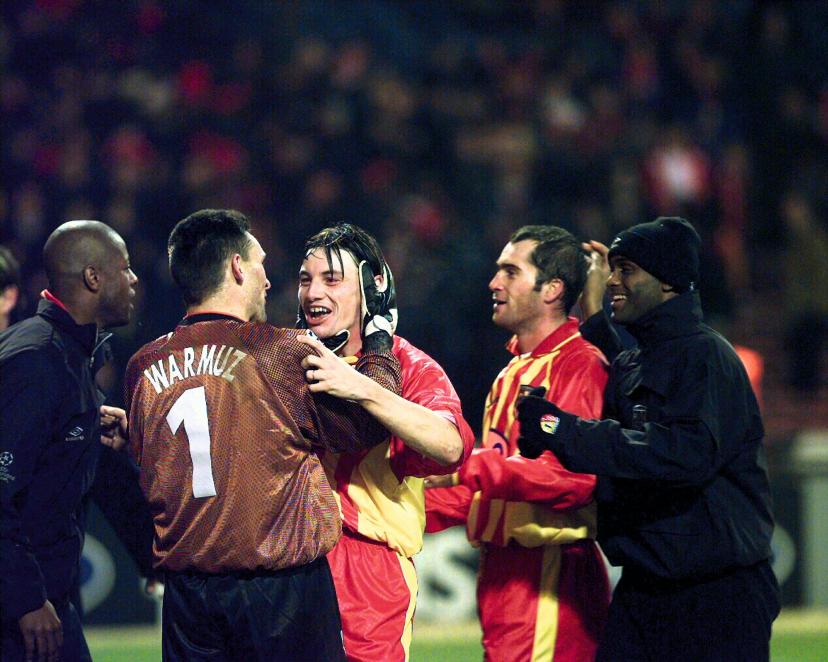
When the referee blew the final whistle, the relief and joy were indescribable. Warmuz reflects: “We had achieved something no one else had—let alone could ever repeat. Arsenal were playing at Wembley temporarily due to renovations at Highbury, but our victory stood as a first for French football in that iconic stadium.” The celebrations were muted but profound. Warmuz lingered on the pitch, soaking in the moment. “I walked back to the locker room, took my time in the shower, and when everyone left, I went back onto the empty pitch. The stadium lights dimmed one by one, leaving only the faint glow of the stands. I stood there alone in Wembley, realizing I wasn’t just a goalkeeper who had won a match—I was the first French player to do so.”
“Not bad for a kid from Blanzy”
Sitting alone on the front row of the emptying stadium, Warmuz allowed himself a moment of gratitude. “For a boy from Blanzy in Burgundy, this wasn’t bad at all,” he muses. After a few minutes of reflection, he took a quiet moment to thank God. “I realized I hadn’t just won at Wembley—I was the first to do it. That’s when the true magnitude of the achievement hit me.”