Libreville’s urban renewal: balancing order and social realities
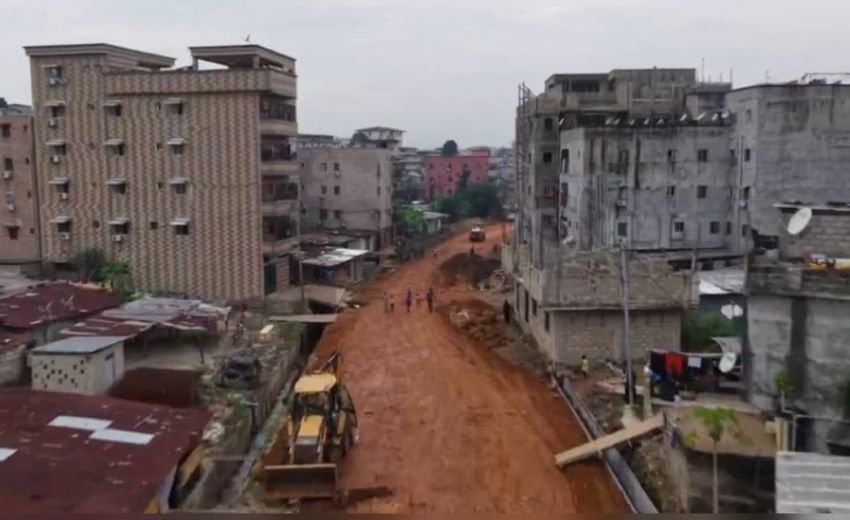
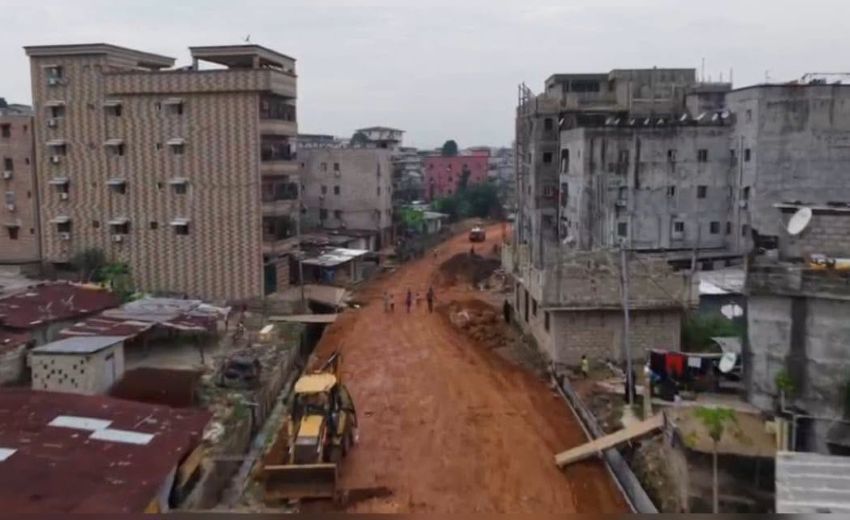
The countdown has begun in Libreville. As the July 10 ultimatum from Mayor Eugène M’ba reaches its conclusion, the municipality is poised to escalate its sanitation campaign, targeting unauthorized constructions, illegal street vendors, and public space encroachments.
The municipal authority’s stated mission is unambiguous: restoring urban order, enhancing traffic flow, and improving public health standards. Few dispute the necessity of these measures, given years of progressive deterioration marked by sidewalks, intersections, and even roadways transformed into makeshift markets and private extensions.
For many residents, the intervention is long overdue. A capital city cannot sustain long-term growth while grappling with chaotic urban management that undermines mobility, health, and economic appeal. The mayor’s initiative responds to a pressing need for structured governance.
Yet as the deadline approaches, a contrasting perspective emerges—not one that opposes municipal authority, but one that advocates for a broader, more nuanced approach.
Beyond mere enforcement
A forward-thinking municipality must do more than enforce regulations; it must engage citizens, anticipate social shifts, and implement sustainable solutions. This perspective should not be dismissed as opposition but rather as a call to strengthen the campaign’s impact.
Behind every unauthorized stall or informal garage lies a deeper economic reality: youth unemployment, low household incomes, limited access to affordable commercial spaces, and the proliferation of survival economies forced to colonize public areas.
History shows that displacement campaigns often yield temporary results unless paired with strategic relocation and economic integration plans. Cities like Libreville must learn from other African metropolises that have successfully balanced urban renewal with inclusive growth.
Addressing root causes
The debate now extends beyond urban cleanliness to the very model of city development Libreville envisions for the coming decades. Key actions could include creating neighborhood markets, designating artisan zones, formalizing informal traders, and fostering dialogue between municipal services and residents.
As urban planning expert Raphaël Mouissi-Ntoko aptly notes, treating symptoms without addressing underlying causes yields only fleeting progress. Cities like Lagos, Kigali, and Abidjan have demonstrated that modernization requires a delicate balance between regulatory enforcement and social support.
Authority remains indispensable—no city can thrive without rules or respect for public assets. Yet durable governance hinges on combining enforcement with education and concrete solutions.
A new urban contract
Libreville’s current campaign could mark a turning point—not just a cleanliness drive but the foundation of a renewed social contract between the city and its inhabitants. Municipal leaders now have a rare opportunity to prove that order can be restored without severing dialogue, that laws can be upheld without ignoring social realities, and that regulations can coexist with opportunity creation.
The stakes transcend sidewalks and illegal buildings; they encompass how African capitals in the 21st century will reconcile population growth, economic progress, and social cohesion. Libreville has taken decisive action to address a critical situation. The coming weeks will reveal whether this effort tackles the problem at its core, ensuring the reclamation of public spaces becomes more than a bureaucratic victory—rather, the first step toward a more inclusive, humane, and sustainable urban future for Gabon’s capital.