Senegal’s political crisis: shifting power dynamics between Diomaye and Sonko
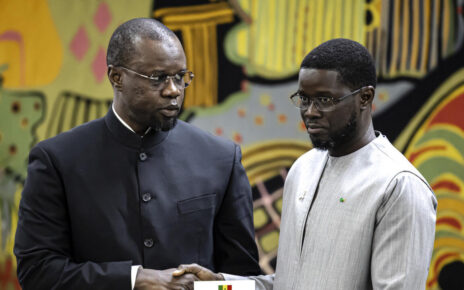
Since March 2024, the political alliance between Bassirou Diomaye Faye and Ousmane Sonko has reshaped Senegal’s institutional landscape. Sonko’s removal from the Prime Minister’s office followed by his return to the National Assembly and subsequent election as its president have introduced an unprecedented chapter in the country’s governance.
The current standoff pits a president with extensive constitutional powers against a political leader backed by his party and commanding a parliamentary majority. This dynamic raises critical questions about the future of governance in Senegal.
What does the Diomaye-Sonko crisis reveal about power dynamics in Senegal?
The ongoing confrontation between President Bassirou Diomaye Faye and Parliament Speaker Ousmane Sonko underscores deeper challenges in Senegal’s political system. Historically, the country has operated under a presidential model with a dominant ruling party in the legislature, except during the early post-independence years (1960-1962). The present crisis, however, signals an emerging cohabitation where power is divided between the executive and legislative branches.
While it remains premature to draw definitive conclusions, this situation serves as a litmus test for Senegal’s political resilience. The ability to navigate such crises will determine whether the system can adapt to a more balanced distribution of authority or revert to centralized executive dominance, a pattern observed since 1963. Moderation in governance appears crucial to maintaining stability during this transition.
Is this crisis a break from past presidential-prime minister rivalries?
This crisis represents a departure from Senegal’s historical political conflicts. Since independence in 1960, only one major institutional standoff—between President Léopold Sédar Senghor and Prime Minister Mamadou Dia in 1962—posed a serious threat to stability.
The current tensions stem from a clash between two distinct sources of legitimacy: Diomaye’s constitutional authority as president and Sonko’s political influence as leader of the ruling party and parliamentary majority. Sonko’s selection of Diomaye as presidential candidate and subsequent electoral victory in 2024 created a unique power dynamic. The November 2024 legislative elections, which gave the ruling party 130 out of 165 seats, further solidified this balance. Local elections scheduled for January 2027 may serve as a regulatory mechanism in this evolving cohabitation.
How do Diomaye and Sonko leverage their respective power bases?
Political parties in Senegal function as both patronage networks and electoral machines. Both leaders can harness this dual role—using party structures to consolidate support while appealing to broader public expectations.Sonko’s power base rests on two pillars: his unanimous election as leader of PASTEF-Les Patriotes at the June 2026 party congress and the party’s overwhelming parliamentary majority. His control over the legislature grants him significant oversight powers, including policy evaluation, budgetary control, and the ability to initiate no-confidence motions.
Diomaye, though operating from the presidency, relies on institutional legitimacy and symbolic authority. His effectiveness depends on navigating the legislature, particularly when implementing policies or managing governance reforms. The presidency itself remains a potent tool for shaping national discourse and maintaining public trust.
What factors will shape the evolving power struggle?
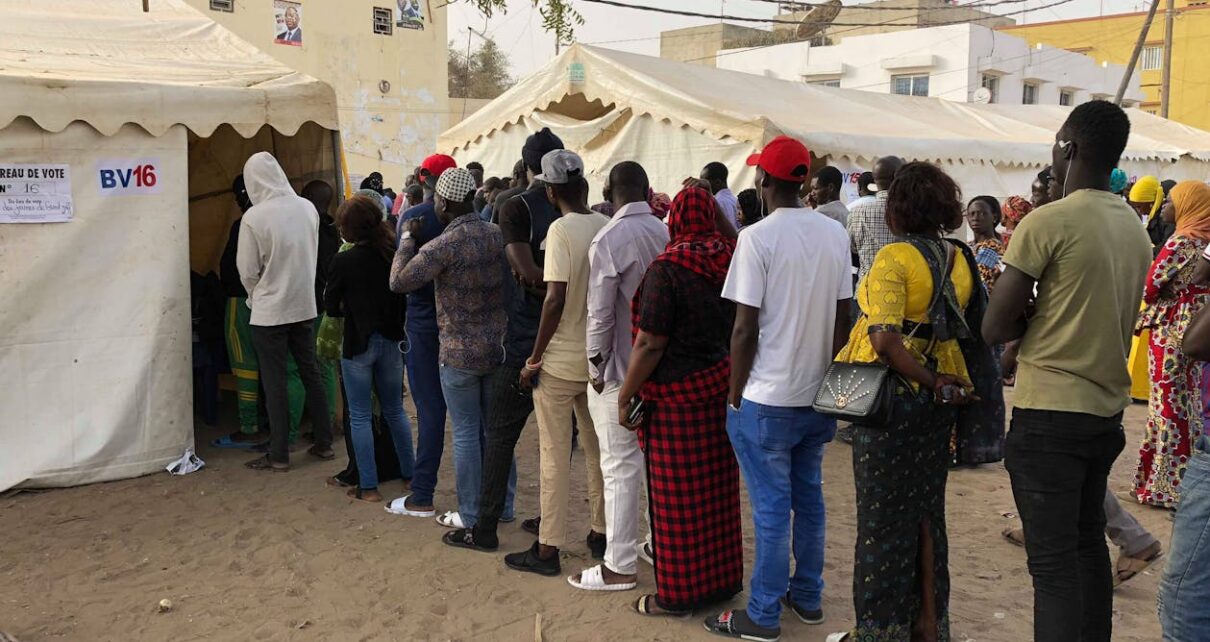
Elections serve as the primary corrective mechanism in Senegal’s democracy, offering opportunities for public feedback and course correction. The credibility of future polls, including the 2027 local elections, will heavily influence the trajectory of this power struggle.
Public perceptions of governance under both leaders will be decisive. Citizens’ expectations regarding accountability, anti-corruption measures, and justice for victims of past political violence (2021-2024) will weigh heavily on political outcomes. The effectiveness of policy alternatives and the perceived fairness of governance will determine whether tensions escalate or de-escalate.
In democratic systems, elections and party competition act as stabilizing forces. However, failures in electoral transparency or excessive centralization of power risk provoking public discontent and potentially destabilizing actions.