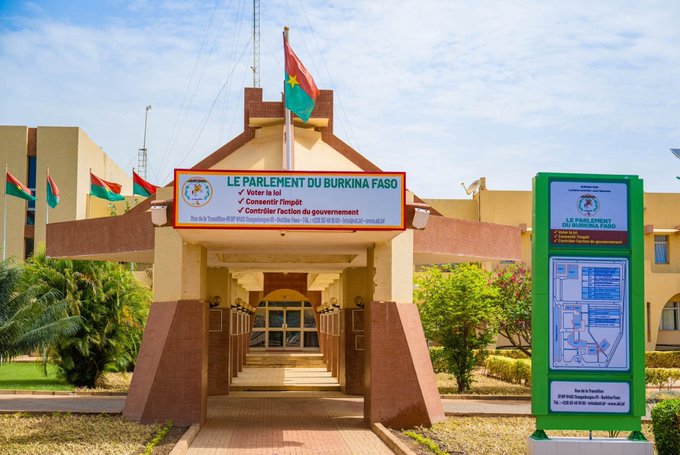
The long-awaited legislation on religious freedom is set to advance on Saturday, as Burkina Faso’s transitional assembly prepares to deliberate on a bill that has sparked intense national debate. The draft law, which cleared the Council of Ministers on March 19, marks a pivotal moment in the country’s ongoing efforts to reconcile security imperatives with the preservation of long-standing social harmony.
a legislative milestone in a time of crisis
The bill arrives at a critical juncture for Burkina Faso, where longstanding traditions of interfaith coexistence now coexist with escalating security challenges. The National People’s Assembly (ANP) will examine the proposed law on June 20, 2026, as confirmed by parliamentary sources. For many observers, the outcome of this vote could reshape the nation’s approach to governance, religion, and national unity.
the case for regulatory reform
Advocates of the legislation, including the transitional government, argue that legal modernization is essential to address three pressing concerns:
- Combatting radicalization: In response to growing insecurity, the state seeks explicit legal authority to curb hate speech, prevent radical recruitment, and prevent religious extremism from destabilizing the nation.
- Transparency in religious financing: The bill introduces stricter oversight of funding sources for religious associations and harmonizes licensing rules for prayer spaces, aiming to prevent illicit or foreign financing from undermining public order.
- Upholding state neutrality: The draft reaffirms the principle of secular governance, ensuring that no religious group—majority or minority—receives preferential treatment or faces discrimination through state institutions.
concerns over overreach and exclusion
Critics, including civil society groups and religious leaders, have raised alarms over potential unintended consequences. Key apprehensions include:
- State overreach: There are fears that overly broad regulatory powers could allow political interference in religious affairs or restrict the freedom of religious expression.
- Social fragmentation: Given the already fragile national cohesion, any legislation perceived as imposed rather than negotiated risks deepening divisions rather than strengthening unity.
The upcoming parliamentary session will test Burkina Faso’s ability to strike a delicate balance—empowering the state to safeguard national security while safeguarding the fundamental right to religious belief and practice. The votes cast and amendments proposed by transitional deputies will be closely monitored by citizens and civil society alike, shaping not just the law, but the future contours of Burkina Faso’s social contract.