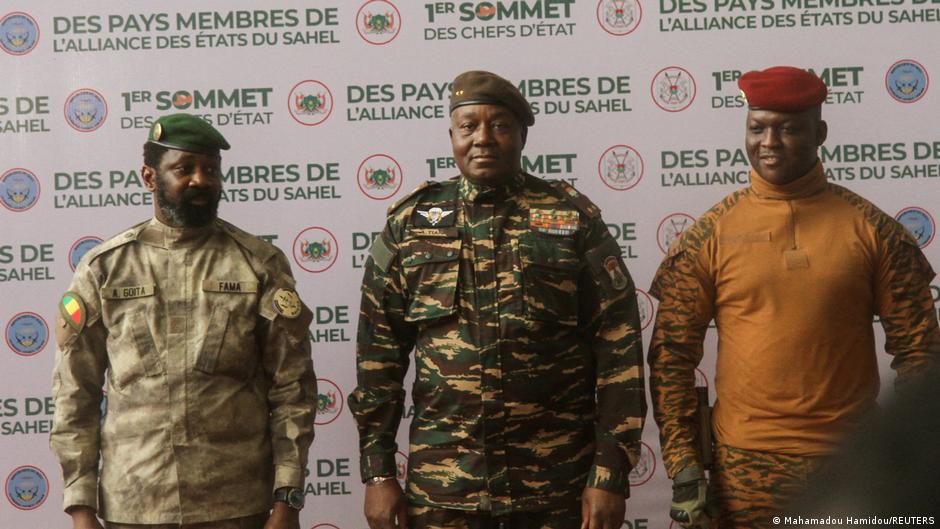
The geopolitical landscape of the Sahel is undergoing subtle yet significant shifts as Western powers recalibrate their strategies toward the region’s military-led governments. Recent diplomatic maneuvers by the United States and the European Union suggest a cautious re-engagement with Burkina Faso, Niger, and Mali—nations that have increasingly distanced themselves from traditional Western allies.
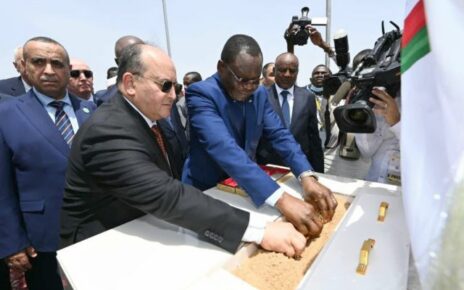
On February 25, the U.S. Department of State formalized a five-year bilateral agreement with Burkina Faso, earmarking $147 million to bolster HIV/AIDS treatment and prevention efforts in the country. This financial commitment follows Washington’s recent expressions of respect for Niger’s transitional leadership during a high-level phone call with Prime Minister Ali Mahamane Zeine.
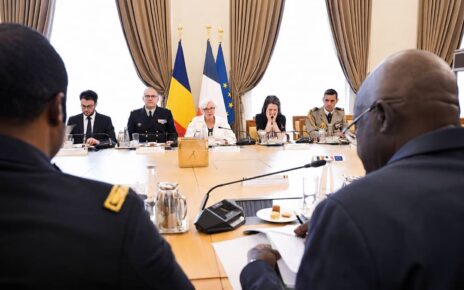
Meanwhile, the European Union’s Sahel envoy, João Cravinho, embarked on a diplomatic tour of the region, including a visit to Bamako, despite strained relations with Malian authorities. Could these developments signal a gradual thaw in ties between Western nations and the Alliance of Sahel States (AES)?
analyzing the western approach to Sahel partnerships
Francis Kpatindé, a West Africa specialist and lecturer at Sciences Po Paris, offers insights into these evolving dynamics.
is a rapprochement underway?
DW: The EU recently dispatched its special envoy to AES capitals, advocating for a new engagement strategy. Is this the beginning of restored relations?
Francis Kpatindé: Caution is essential—the Sahel has repeatedly defied expectations. While tensions persist, there may be tentative signs of progress. I wouldn’t describe this as a full rapprochement yet, as relations between Western powers and Sahelian states remain constrained or superficial.
economic and humanitarian cooperation as stepping stones
DW: After Niger and Mali, Washington’s recent agreement with Burkina Faso—focusing on health initiatives like HIV/AIDS—suggests a willingness to cooperate. Is this a positive sign?
Francis Kpatindé: Absolutely. These agreements, though limited in scale, reflect a pragmatic shift. Western nations are offering targeted economic aid, humanitarian support, and security training to combat terrorism. They recognize that instability in the Sahel could eventually impact their own security. However, geopolitical interests also play a role—countries like Niger (uranium), Burkina Faso (gold), and Mali (gold) hold resources that Western powers are keen to maintain access to.
the EU’s shift from regional to bilateral engagement
DW: Is the EU moving away from a unified regional approach to one focused on individual countries?
Francis Kpatindé: Precisely. Germany, for instance, has maintained strong bilateral relations with several Sahelian nations, bypassing France’s traditional influence in Mali, Niger, and Burkina Faso. These countries seek alternatives to French dominance, and other EU members are filling the void. Germany’s presence, along with Hungary’s, creates diplomatic channels that could allow France to retain minimal engagement with the AES states.
Ultimately, these shifts underscore the complex interplay between sovereignty, security, and resource interests in the Sahel. Western powers are navigating a delicate balance—one that prioritizes strategic objectives while avoiding outright abandonment of the region.