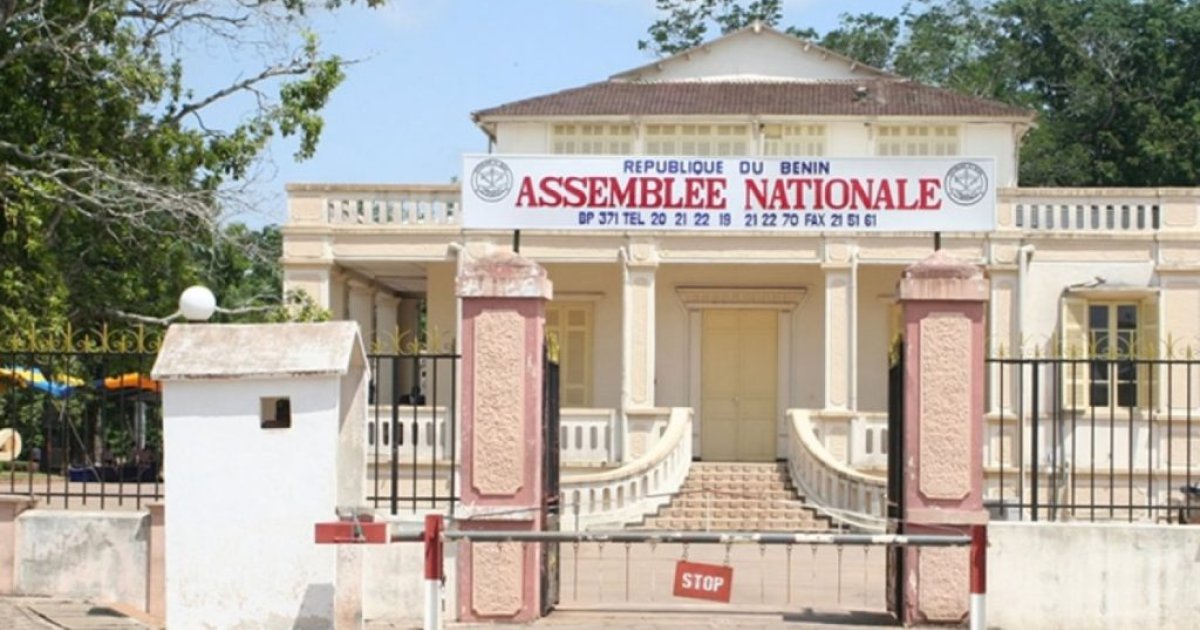
The National Assembly of Bénin is set to convene its 10th legislature this Friday at the Palais des Gouverneurs, where two urgent legislative proposals await scrutiny. The session, led by Assembly President Joseph Fifamin Djogbénou, will prioritize the 2026 supplementary budget bill and amendments to the law governing the Mediator of the Republic.
Key legislative priorities
Lawmakers will examine two critical bills under an accelerated procedure, as approved by the Conference of Presidents. The urgency reflects the need to align government operations with the strategic vision of President Romuald Wadagni, whose administration recently took office. This swift legislative action underscores the government’s commitment to addressing pressing socio-economic challenges.
The supplementary budget proposal increases the national budget from 3,783.984 billion to 4,086.620 billion FCFA—a rise of 8%—while maintaining the country’s 7.5% growth forecast. Key adjustments include a 9.8% reduction in personnel costs, achieved without compromising planned recruitments or essential services procurement. Meanwhile, budgetary revenues are projected to grow by 2%, with investment expenditures climbing by 8.5%.
Social and economic priorities
The revised budget prioritizes social welfare and human capital development. Significant allocations target:
- Expansion of water access in schools and health centers;
- Acceleration of nutritional programs for the first 1,000 days of life;
- Strengthening of universal health coverage;
- Support for children in street situations or engaged in begging.
The education sector receives a major boost through the extension of free secondary school tuition for girls, effective from the 2026-2027 academic year. Additionally, a program to build school canteen storage facilities is set to launch.
Safety, health, and infrastructure investments
To enhance public safety, the state is increasing funding for security measures, particularly the deployment of video surveillance systems in major urban centers. The health and infrastructure sectors also benefit from increased allocations under the Public Investment Program (PIP), supporting:
- Construction and rehabilitation of hospitals and clinics;
- Operationalization of the International Hospital of Calavi;
- Development of sanitation and transport infrastructure.
In response to rising living costs driven by global economic pressures, the government will subsidize agricultural inputs to bolster productivity and food security.
Friday’s session marks a pivotal moment in Bénin’s legislative calendar, with far-reaching implications for both fiscal policy and social development. Lawmakers are expected to approve these measures swiftly to ensure timely implementation of the administration’s priorities.