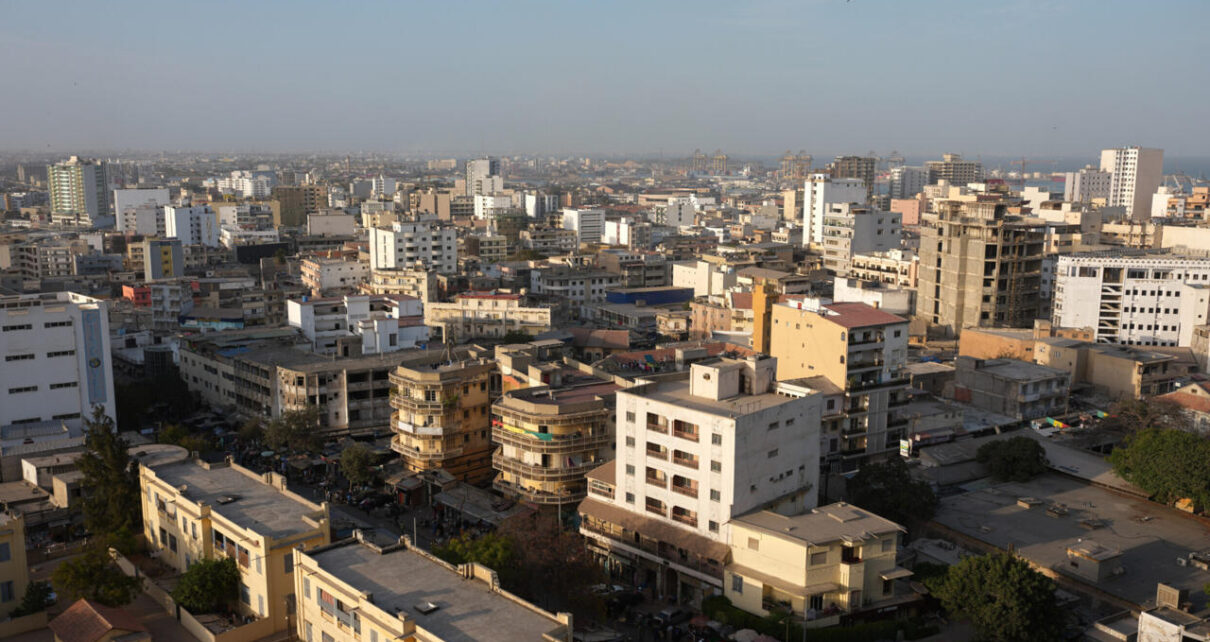
After four consecutive years of robust growth, where foreign direct investments (FDI) averaged three billion dollars annually, Senegal saw a dramatic collapse to just 37 million dollars in 2025. The United Nations Conference on Trade and Development (UNCTAD) latest report highlights this sharp decline, raising questions about whether this marks the end of a major investment cycle or reflects investor caution toward the government’s financial policies.
Project completion drives FDI drop
The sudden decline in FDI is largely cyclical. Major oil and gas projects like Sangomar and Grand Tortue had driven massive inflows in recent years, but most of those investments have now been completed. The focus has shifted to production, leaving fewer new projects to attract fresh capital.
Moubarak Lo, former economic advisor to the Prime Minister and now an independent consultant, argues that Senegal could sustain three to five billion dollars in annual FDI—but only with proactive economic promotion. “The country has no dedicated network for attracting foreign investment abroad, unlike other nations. While roadshows are organized, they fall short of what’s needed. A passive approach won’t work—we must be proactive. Senegal excels at promoting portfolio investments in government bonds or treasury bills but lacks the same strategy for direct investments. That’s the change we urgently need.”
Debt concerns overshadowed by lack of clarity
Senegal’s soaring debt—peaking at 132% of GDP in late 2024, according to the IMF—might seem like a deterrent, but private investors aren’t necessarily deterred by it. Justin Maria, France Director of Access Bank, points out that France, despite its massive public debt of 3.5 trillion euros, continues to attract private capital. For him, the real issue is “lack of visibility.” He explains, “Senegal is now seen as a risky destination—not because of long-term fundamentals, which remain solid, but due to short-term uncertainty. Investors lack clarity on public finances and liquidity, which is what’s holding them back.”
“The tide can turn by next year”
Moubarak Lo dismisses the “risky” label, insisting Senegal has the tools to quickly restore its appeal. While the IMF suspended its program in late 2024, discussions with Dakar are ongoing. “Right now, Senegal has 20 to 30 major projects in the pipeline. For each one, we need to identify the five or six key global companies and persuade one to invest. Recovery could begin this year—or more likely in 2027, once these efforts take root.”
While Senegal struggles, other countries in the region saw FDI surge in 2025. Guinea, for instance, attracted over 7.7 billion dollars, according to UNCTAD.