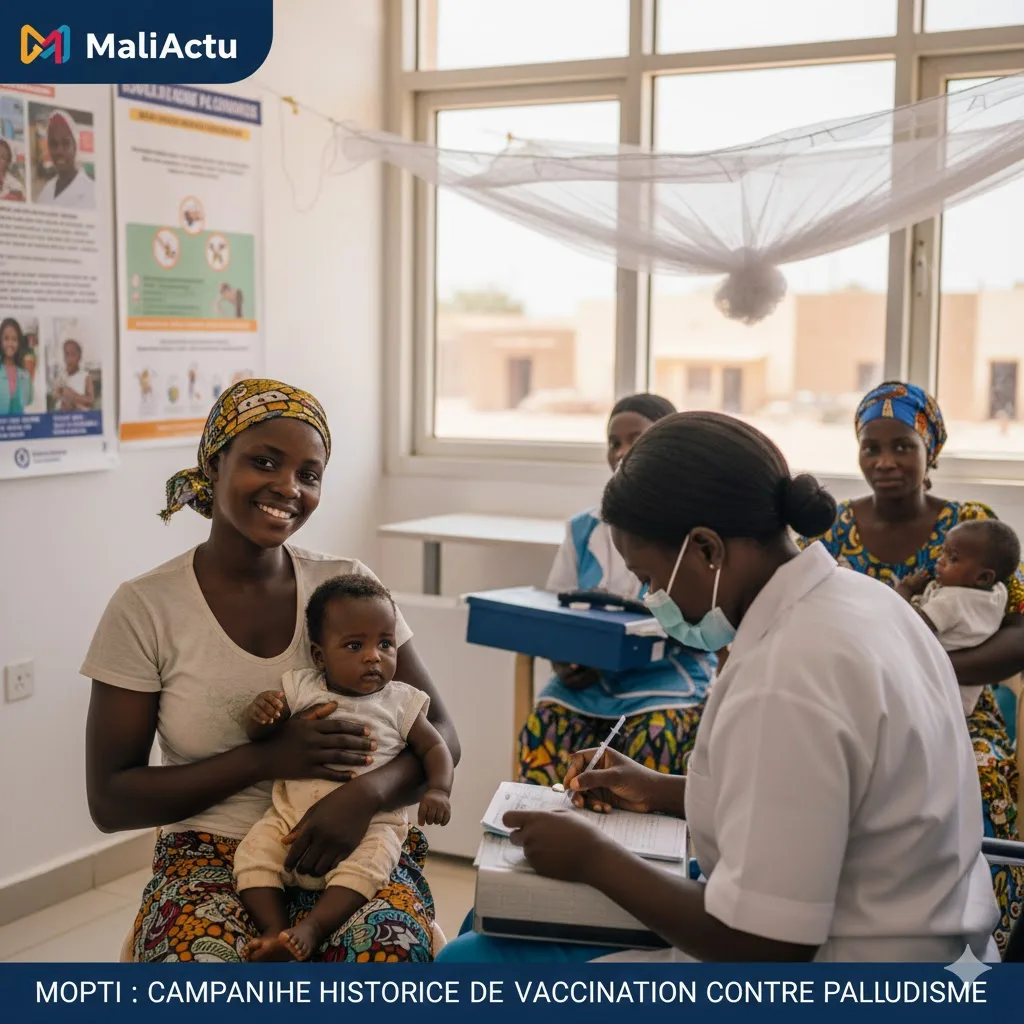
Mali leads the way in malaria prevention with R21/Matrix-M vaccine deployment
The Mali health sector has reached a pivotal moment in its fight against malaria. By integrating the R21/Matrix-M vaccine, endorsed by the World Health Organization, into its national immunization program, the country is pioneering a hybrid vaccination strategy in the Kayes and Mopti regions. This innovative approach combines age-based dosing with seasonal administration to create a robust shield against malaria, particularly protecting vulnerable children.
This milestone reflects Mali‘s commitment to strengthening public health infrastructure. With backing from Gavi, the World Health Organization, and UNICEF, the country has successfully launched the R21/Matrix-M malaria vaccine as part of its Expanded Program on Immunization (EPI). The initiative targets 19 high-risk districts across five regions, with Kayes and Mopti serving as flagship locations for testing this cutting-edge strategy.
How the hybrid vaccination strategy works
The hybrid approach deployed in Mali stands out for its precision and adaptability. Instead of relying solely on traditional vaccination schedules, this method leverages two complementary tactics to maximize protection:
- Age-specific dosing: Ensures children receive foundational immunity from an early age, building resilience against malaria as they grow.
- Seasonal administration: Aligns vaccine doses with the rainy season, when mosquito populations surge and malaria transmission peaks. This timing ensures peak antibody levels coincide with the highest risk periods.
Kayes and Mopti: Testing the limits of malaria control
The selection of Kayes and Mopti as pilot zones was no coincidence. These regions face intense malaria transmission and serve as critical testing grounds for the country’s health system resilience. In Mopti, despite logistical hurdles, seamless collaboration between health authorities and international partners has streamlined vaccine distribution. Meanwhile, in Kayes, community engagement has been instrumental in ensuring timely booster doses, which are vital for maintaining long-term vaccine efficacy.
An additional layer of defense, not a standalone solution
Health officials emphasize that the R21/Matrix-M vaccine is a powerful tool, but it does not replace existing malaria prevention measures. Instead, it complements them to create a multi-layered defense:
- Long-lasting insecticidal nets (LLINs): Continue to play a crucial role in protecting households, especially during nighttime when mosquitoes are most active.
- Seasonal malaria chemoprevention (SMC): Works in synergy with the vaccine, providing preventive medication during peak transmission months to further reduce infection risks.
Targeting the most vulnerable: A step toward reducing child mortality
The primary goal of introducing the R21/Matrix-M vaccine is to significantly cut malaria-related deaths among children under five—the age group most susceptible to severe complications. Early results from the Kayes and Mopti pilot programs will determine whether the strategy can be scaled nationwide, offering hope for a future where malaria no longer claims young lives.