Mali’s humanitarian crisis deepens as blockade fuels famine and despair
The Malian government has once again ruled out negotiations with armed groups controlling parts of the country, despite mounting evidence of a deepening humanitarian catastrophe. Speaking before the diplomatic corps in Bamako, Foreign Minister Abdoulaye Diop delivered a firm message: «Our position remains unchanged. The government will not engage in dialogue with lawless terrorist factions responsible for years of suffering across our nation.»
This refusal to engage comes as Mali receives fresh military reinforcements from Russia, according to reports from regional correspondent Serge Daniel. The government’s strategy focuses on military confrontation rather than diplomacy, with priority targets including the recapture of Kidal from jihadist control and the lifting of blockades strangling key supply routes.
The human cost of unyielding resistance
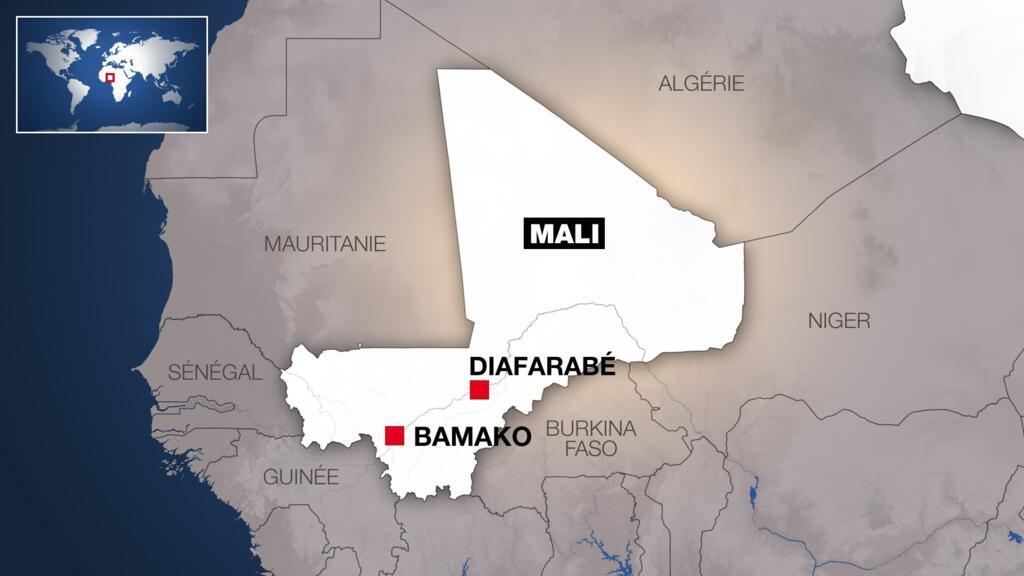
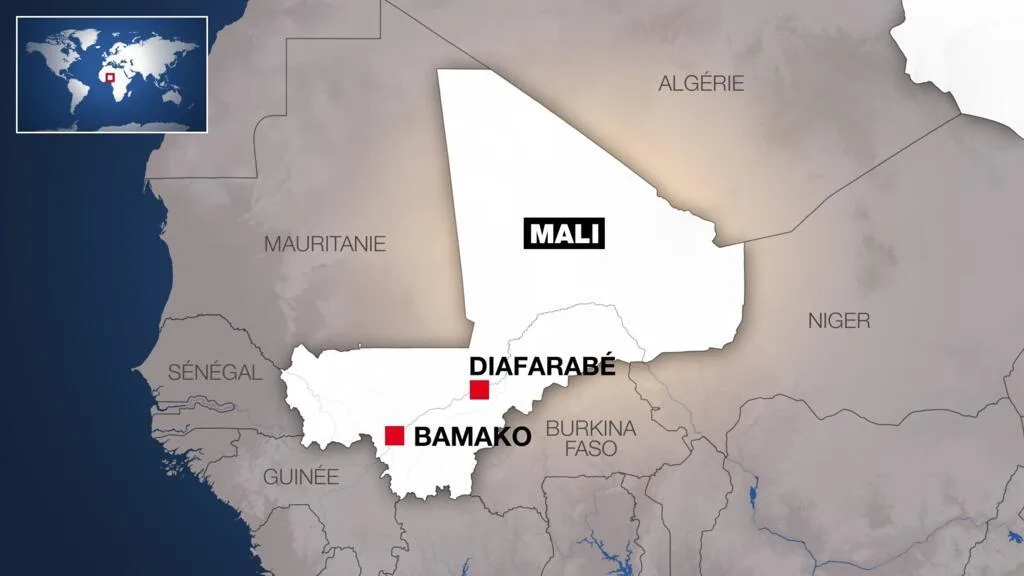
The blockade’s impact is most severe in central regions like Diafarabé (Mopti), where jihadists have maintained a total siege since May 12, 2025. Residents report catastrophic shortages of food, medicine and basic necessities, with no end in sight. Local leaders recently pleaded for intervention after viral social media videos showed desperate communities facing starvation.
A local resident shared harrowing details with our team: «No one can enter or leave. The blockade is absolute. All our food reserves are gone. Famine has taken hold. We spoke with military commanders who promised emergency supplies, but nothing has arrived. This desperation forced our women and youth to protest. We’re surviving on the edge. Our only plea is for food – that’s all we ask.» The speaker had previously survived a gunshot wound while attempting to transport supplies during the flood season.
Military escalation vs humanitarian collapse
While the government pursues military solutions, with Russian-backed forces consolidating positions near Aguelok and abandoning two other localities in the Kidal region, civilians bear the brunt. Blocked roads have stranded hundreds of vehicles and passengers, cutting off critical supply chains. The situation in Bamako has deteriorated as jihadist blockades tighten around the capital.
Despite the mounting crisis, authorities maintain their hardline stance against negotiations with armed groups. This strategy, combined with recent military deployments, suggests the government remains committed to a military solution rather than seeking pathways to dialogue that could alleviate civilian suffering.
What’s next for Mali’s besieged population?
As the blockade enters its second year in some areas, the humanitarian emergency shows no signs of abating. International observers warn that without immediate intervention, entire communities face starvation. The government’s continued refusal to negotiate, coupled with escalating military operations, leaves civilians trapped between armed factions and state forces with no clear path to relief.