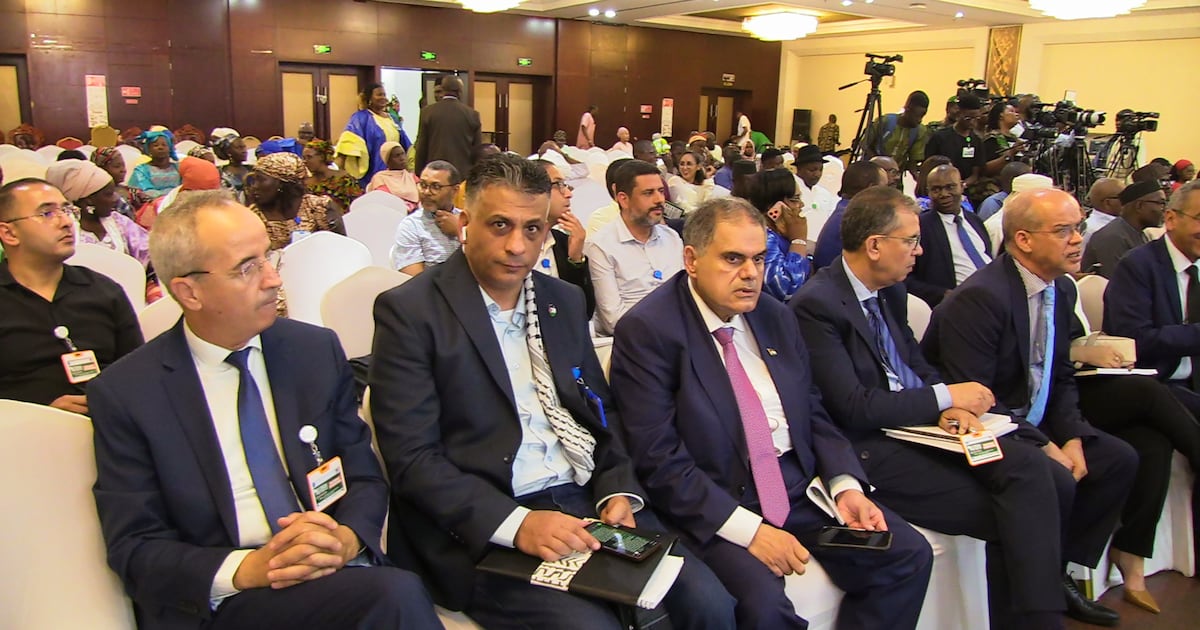
Prime Minister Abdoulaye Maïga of Mali recently inaugurated a high-profile media forum, bringing together journalists, educators, and digital experts to address critical issues shaping Africa’s media landscape. The four-day event, held in Bamako, featured intensive discussions on media literacy in the digital age, combating misinformation, and strengthening journalism education across the continent.
strengthening pan-african media collaboration
The forum drew significant participation from Morocco, the guest of honor, reflecting growing South-South cooperation in media development. Speaking on the significance of the gathering, Aziz Boucetta, Editor-in-Chief of Panorapost.com, emphasized that Africa’s challenges are not insurmountable when addressed collectively. He highlighted Morocco’s proactive role, noting its commitment to sharing expertise and fostering partnerships for continental growth.
digital divide and media transformation
Aboubacar Abdoulwahidou Maïga, Director of the School of Journalism and a panelist, shared compelling data on Mali’s digital evolution. He revealed that internet penetration has surged from just 2% in 2012 to 35% today, with 80% of connected users under 35. Alarmingly, 60% of this demographic now relies on social media for news, underscoring the urgent need for media houses to adapt to digital trends.
Maïga also pointed to the slow pace of digital adoption among Malian media outlets, warning that without modernization, the industry risks financial unsustainability. His remarks underscored the forum’s broader mission: equipping journalists with the tools to thrive in an era dominated by digital disinformation and shifting audience habits.
media’s role in regional stability
Prime Minister Maïga framed the forum’s discussions within a broader geopolitical context, stressing that West Africa’s security crises are increasingly fought not just on battlefields but in the realm of perception. He argued that today’s conflicts are as much about narrative control as they are about territorial gains. In this landscape, journalists emerge as pivotal actors in shaping public trust, social cohesion, and national resilience.
In his closing address, Maïga called for urgent investment in professional media capacities across Africa. He stressed that only by empowering local journalists—through training, technological upgrades, and ethical standards—can the continent counter the destabilizing effects of misinformation and build resilient democratic institutions.