Mali leads the way with a groundbreaking hybrid malaria vaccination strategy
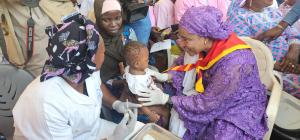
In a historic move on World Malaria Day, the Republic of Mali has become the first nation globally to implement a hybrid vaccination approach against malaria. This innovative strategy combines routine and seasonal dosing to maximize protection for children aged 5 to 36 months, a demographic most vulnerable to the disease.
The hybrid model involves administering the first three vaccine doses throughout the year based on age, followed by seasonal booster doses in May or June—just before the peak malaria transmission period. This timing aligns with evidence showing that seasonal vaccination significantly enhances the vaccine’s effectiveness when transmission risk is highest.
Mali’s malaria burden: a critical health challenge
Malaria remains a devastating public health challenge in Mali. In 2023, the country accounted for 3.1% of global malaria cases (8.15 million) and 2.4% of malaria-related deaths (14,328). Mali was among the 11 countries with the highest malaria burden worldwide, and one of eight where cases surged by 1.4 million between 2019 and 2023, according to WHO data.
The African region bears the heaviest malaria burden globally, with approximately 94% of cases and 95% of deaths reported in 2023. Mali’s new hybrid vaccination strategy aims to curb this crisis by protecting its youngest population through a targeted and data-driven approach.
How the hybrid vaccination strategy works
The hybrid approach involves two phases:
- Phase 1 (Routine Dosing): Children receive three initial doses at monthly intervals, timed according to their age.
- Phase 2 (Seasonal Boosting): In subsequent years, children receive two additional doses just before the high-transmission season (May–June).
This strategy is tailored to Mali’s highly seasonal malaria transmission, which peaks between July and December. By synchronizing vaccine protection with periods of greatest risk, the approach aims to reduce malaria-related illnesses and deaths among children.
The R21/Matrix-M vaccine will be rolled out initially in 19 priority districts across five regions: Kayes, Koulikoro, Mopti, Ségou, and Sikasso. Mali has secured 927,800 doses of the vaccine to support this initiative.
Collaboration and global support behind the initiative
The launch of Mali’s hybrid vaccination strategy is the result of a multi-stakeholder partnership involving:
- Gavi, The Vaccine Alliance: Leads the global malaria vaccination program, providing funding and technical support for vaccine procurement, transportation, and deployment.
- UNICEF: Ensures the timely delivery of high-quality vaccines and supports community engagement to build demand and counter misinformation.
- World Health Organization (WHO): Provides scientific guidance, monitors vaccine safety and efficacy, and coordinates global malaria control efforts.
Colonel Assa Badiallo Touré, Mali’s Minister of Health and Social Development, emphasized the significance of this milestone:
« The introduction of the malaria vaccine into our Expanded Programme on Immunization marks a monumental achievement. This initiative reflects the relentless efforts of researchers, health workers, and partners who have worked tirelessly to bring us this life-saving tool. While the vaccine is a major breakthrough, it is not a standalone solution. We must pair it with existing prevention measures to protect our children and communities from this deadly disease. »
Dr. Sania Nishtar, Gavi’s CEO, commended Mali’s leadership:
« Mali’s commitment to saving lives and reducing the devastating impact of malaria is commendable. With this hybrid approach, we are taking a bold step forward in the fight against one of Africa’s deadliest diseases. Consistent funding and global collaboration are essential to ensure this vaccine reaches every child in need. »
Dr. Pierre Ngom, UNICEF Representative in Mali, highlighted the vaccine’s potential:
« After 35 years of dedicated research, the malaria vaccine finally offers a powerful new tool to protect Mali’s children. This is a historic moment, but we must remember that vaccination alone cannot eliminate malaria. It must be part of a broader strategy that includes insecticide-treated nets, seasonal chemoprevention, and community engagement. »
Vaccine safety and effectiveness
The R21/Matrix-M and RTS,S/AS01 vaccines are WHO-prequalified and recommended for malaria prevention in children. Key evidence includes:
- High efficacy: Clinical trials showed that both vaccines reduced malaria cases by over 50% in the first year and extended protection with a fourth dose in the second year.
- Seasonal impact: In areas with seasonal transmission, the vaccines reduced malaria cases by approximately 75% when administered seasonally.
- Targeted protection: The vaccines focus on Plasmodium falciparum, the deadliest malaria parasite in Africa.
Expanding malaria vaccination across Africa
Mali’s hybrid strategy follows the continent’s rapid adoption of malaria vaccines. Since 2023, over 24 million vaccine doses have been delivered to African nations, with 20 countries now incorporating malaria vaccination into their routine immunization programs. These countries represent over 70% of the global malaria burden.
Countries like Uganda, Nigeria, Chad, Sudan, and the Democratic Republic of the Congo are also deploying malaria vaccines using tailored strategies to fit their unique contexts. For example:
- Nigeria: Launched phased rollouts in high-burden states like Kebbi and Bayelsa, with over 800,000 doses distributed.
- Chad: Integrated malaria vaccination into a triple-deployment initiative targeting malaria, pneumonia, and diarrhea.
- Sudan and DRC: Incorporated vaccination into broader emergency response plans in fragile contexts.
By the end of 2025, an estimated 13 million additional African children are expected to be protected by malaria vaccines. Gavi’s 2026–2030 strategic plan aims to scale up these efforts further, with the goal of fully protecting 50 million children with four doses, pending sufficient funding.
Complementary malaria prevention measures
The hybrid vaccination strategy complements Mali’s existing malaria control efforts, which include:
- Use of insecticide-treated bed nets.
- Seasonal malaria chemoprevention for at-risk children.
- Intermittent preventive treatment during pregnancy.
- Indoor residual spraying in high-risk areas.
These combined interventions are crucial for achieving sustainable reductions in malaria transmission and protecting vulnerable populations.
Looking ahead: a malaria-free future
Mali’s hybrid vaccination strategy represents a game-changing milestone in the fight against malaria. By leveraging evidence-based approaches and fostering global collaboration, the country is setting a new standard for malaria control. As more African nations adopt similar strategies, there is hope for a future where malaria no longer claims the lives of children or devastates communities.