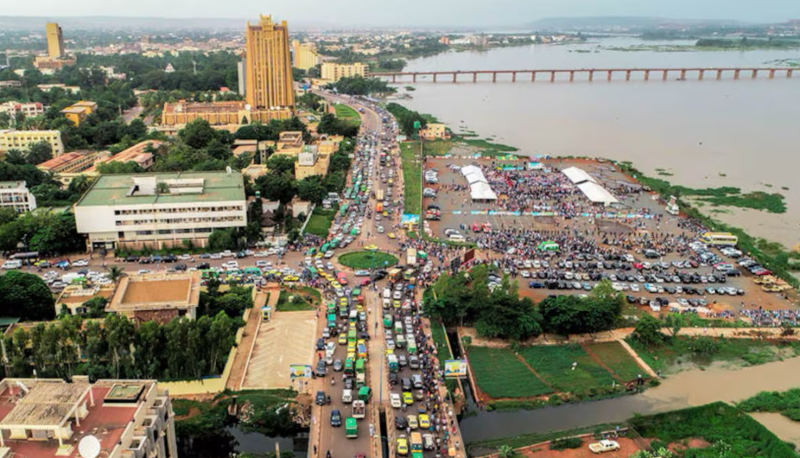
In a decisive move to accelerate its economic recovery, the Malian government has laid out an ambitious three-year plan targeting an average real economic growth rate of 6.5% by 2029. The strategy, approved during a recent Council of Ministers meeting, centers on a Document de programmation budgétaire et économique pluriannuelle (DPBEP) spanning 2027 to 2029, designed to overcome structural challenges and unlock new development opportunities.
Key pillars driving economic transformation
The roadmap rests on three critical pillars: a gradual stabilization of the security situation, sustained implementation of key reforms, and robust enhancement of public revenue mobilization. Central to this vision is a strategic increase in tax pressure, projected to rise from 13.9% in 2027 to 15.1% by 2029, averaging 14.6% over the period. This fiscal adjustment aims to fund critical infrastructure, social programs, and security operations.
A vision aligned with long-term development goals
The DPBEP 2027-2029 is deeply rooted in Mali’s national development frameworks: the « Mali Kura ɲɛtaasira ka bɛn san 2063 ma » strategic vision and the 2024-2033 National Strategy for Emergence and Sustainable Development. These frameworks seek to convert existing constraints into catalysts for sustainable growth, ensuring that economic progress is inclusive and resilient.
The annual execution cost for this ambitious agenda is estimated at 4,382.9 billion CFA francs—approximately 7.7 billion US dollars—covering investments in governance, infrastructure, and human capital development.
Economic rebound: signs of recovery
Recent performance indicators suggest a positive trajectory. After a slight dip in 2025—when growth slowed to 4.9% from 5% in 2024 due to reduced gold output and fuel supply disruptions—the economy is showing signs of recovery. The International Monetary Fund (IMF) projects a rebound in 2026, driven by the resumption of fuel supply, enhanced security measures, and the settlement of outstanding domestic arrears.
Gold and lithium price surges are expected to inject additional revenue into state coffers, further strengthening fiscal health. The 2026 draft budget anticipates total revenue of 3,057.8 billion CFA francs, with the budget deficit maintained within the 3% GDP ceiling set by the West African Economic and Monetary Union (UEMOA), thanks to improved revenue collection and disciplined public spending.
Bright outlook for 2027
Looking ahead, the IMF forecasts a 5.7% GDP growth in 2027, reinforcing confidence in Mali’s economic resilience. This optimistic outlook is underpinned by structural reforms, increased foreign investment, and the restoration of stability across key sectors.
With these measures, Mali is positioning itself to not only recover but to thrive, setting the stage for sustainable development and shared prosperity in the years leading up to 2029.