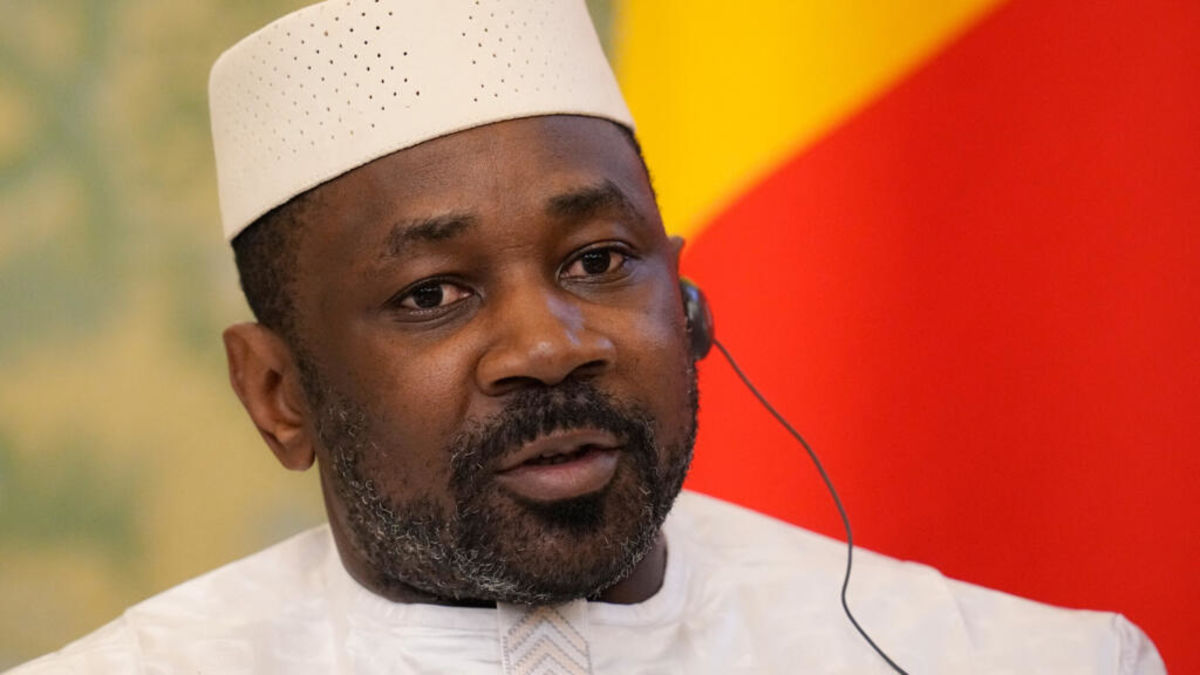
As Mali commemorates its Independence Day on September 22, the country’s transitional leadership faces renewed scrutiny from both domestic and international observers. General Assimi Goïta, who seized power in 2020 and has since maintained control without elections, addressed the nation on September 21, highlighting economic progress, reaffirming commitments to battling armed terrorist groups, and advocating for national reconciliation.
Goïta’s administration, bolstered by support from the Russia-backed Africa Corps, also emphasized Mali’s role within the Alliance of Sahel States (AES) as a path toward greater sovereignty. However, these claims have drawn sharp criticism from dissenting voices—particularly those of opposition figures currently in exile.
opposition voices challenge the transitional government’s narrative
Among the most vocal critics is Etienne Fakaba Sissoko, a scholar turned political dissident and spokesperson for the Coalition of Forces for the Republic (CFR)—led by influential cleric Imam Dicko. The CFR unites a diverse coalition of Malian opposition figures, including politicians, civil society leaders, and activists living abroad.
Speaking to international media, Sissoko condemned the government’s framing of Independence Day as a celebration of the transitional regime’s achievements. « We can love Mali deeply, support our soldiers, and defend our sovereignty without endorsing those who have seized power unconstitutionally, » he argued. « The Malian people deserve tangible results—not just speeches. Security, jobs, electricity, freedom, and a credible path to democracy are what we demand » he emphasized.
Sissoko did not mince words when addressing the government’s handling of foreign partnerships, particularly its collaboration with Russian military forces. « By avoiding any mention of Russia in his speech, Goïta’s silence speaks volumes. The true cost of this alliance is undeniable », he declared, referencing the recent Dioura attack, where over a hundred Malian soldiers were killed and dozens taken captive by Islamist militants linked to al-Qaeda.
a nation in mourning, not celebration
Sissoko’s assessment of Mali’s current state was bleak. « Today, Mali is not in a festive spirit—it is in mourning, » he stated. « The country has reached a level of decline unseen in our political history. I refuse to celebrate under such conditions. The regime governing us does not honor the nation’s legacy » he concluded.