missile sol-sol fired from Central African Republic towards DRC linked to abandoned US base in Obo
In the remote border town of Obo, Haut-Mbomou, Central African Republic, a missile sol-sol was launched last week by Russian mercenaries from the Wagner group. The projectile crossed into the Democratic Republic of Congo, sparking fear on both sides of the frontier.
The incident traces back to a long-abandoned American military outpost in Obo, once part of a multinational mission to dismantle the Lord’s Resistance Army (LRA). From 2011 to 2017, US special forces—including Green Berets—operated from this site, alongside Ugandan troops, targeting LRA leader Joseph Kony. Despite the mission’s end, military equipment, including at least one missile sol-sol, was left behind in storage containers when US forces withdrew in 2017.
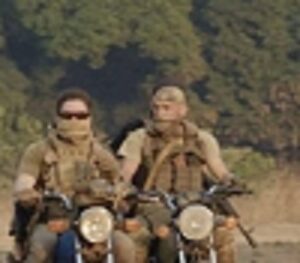
Years later, Wagner mercenaries arrived in Obo, invited by local authorities to bolster security. They seized control of the former American base from Central African troops, conducting thorough searches of the abandoned containers. Reports indicate the mercenaries conducted test firings to assess the condition of the recovered weapons—salvaging usable arms while discarding defective ones.
On the evening of February 26, witnesses observed Wagner operatives assembling a heavy weapon on Obo’s football field. With little concealment, they ignited the projectile, sending a blazing trail across the night sky. The missile soared over Mboki and Zemio before crossing into Congolese territory, landing near the village of Zapay—five kilometers inside the DRC. No casualties have been reported to date.
The trajectory was deliberate. While Bambouti, just 125 kilometers north, lay within range, the mercenaries chose a path deep into the Congolese jungle. Residents of Zapay, including refugees displaced by Wagner’s operations in the Central African Republic, were left in shock. The incident raised unsettling questions: had the attack been a message?
No other group in Obo possesses the capability or equipment to fire a projectile across an international border with such precision. Local testimonies confirm Wagner’s involvement, leaving little doubt about the source of the strike. In Zapay, families spent the night scanning the sky, fearing further attacks.
The reemergence of Cold War-era armaments in this volatile region underscores the lingering consequences of foreign military interventions—and the unpredictable risks they leave behind.