
Morocco pushes forward with regionalization plans as Western Sahara negotiations stall
The Moroccan government is accelerating its regionalization strategy, introducing new legislative measures aimed at strengthening local governance while negotiations over the Western Sahara dispute remain at a standstill.
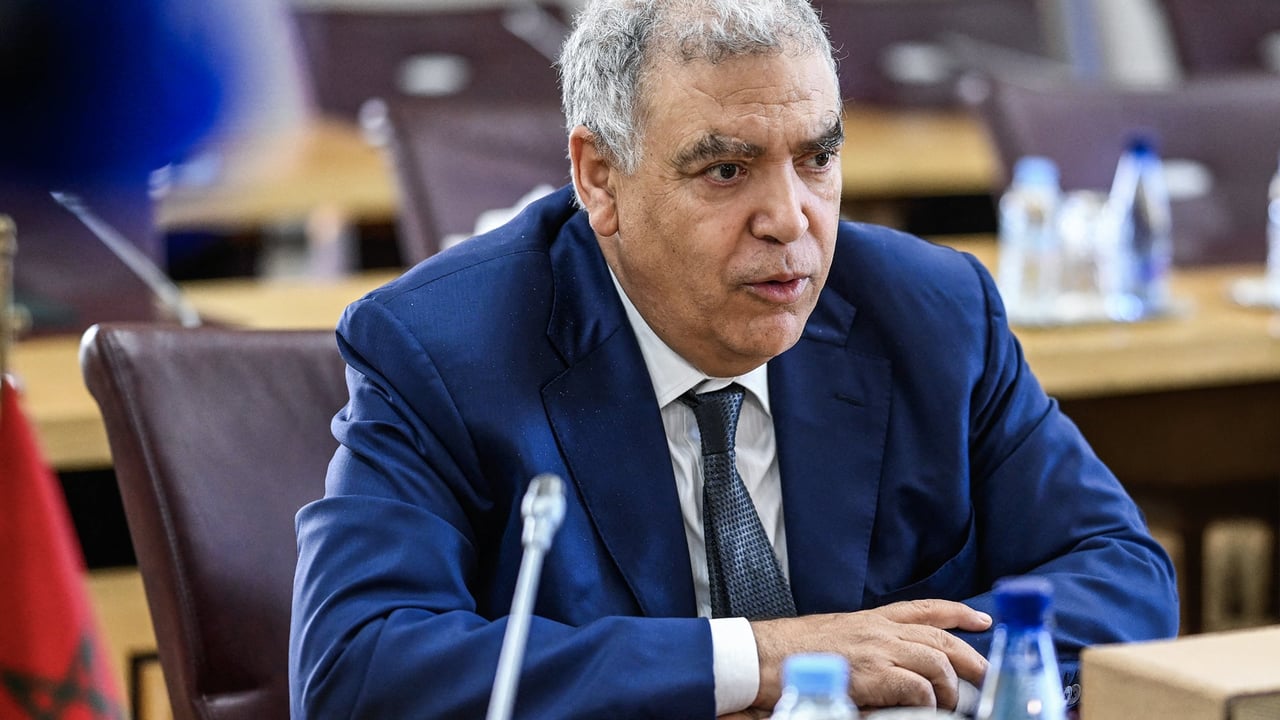
Interior Minister Abdelouafi Laftit outlined key components of the initiative, emphasizing enhanced administrative autonomy for regions across the Kingdom. This move comes as diplomatic efforts to resolve the decades-long Western Sahara conflict have stalled, with both sides maintaining entrenched positions.
New legislative framework targets local empowerment
The proposed reforms, presented in a recent cabinet meeting, include expanded fiscal decentralization, increased decision-making powers for regional councils, and a restructuring of local administration to improve service delivery. According to officials, these changes aim to foster economic development and reduce disparities between Morocco’s urban and rural areas.
“This regionalization plan reflects our commitment to empowering local communities while maintaining national cohesion,” stated Laftit during a press briefing. “By granting regions greater control over their resources and priorities, we can unlock new opportunities for growth and stability.”
Western Sahara dispute remains a sticking point
Despite Morocco’s proactive approach to internal reforms, the Western Sahara issue continues to overshadow the country’s diplomatic agenda. The Polisario Front, backed by Algeria, insists on a referendum for self-determination, while Morocco advocates for its autonomy plan under Moroccan sovereignty.
The latest round of negotiations, held in Geneva earlier this year, ended without a breakthrough, leaving the conflict unresolved. Observers note that Morocco’s regionalization efforts may be an attempt to demonstrate progress on other fronts while the stalemate persists.
Economic and social implications
Proponents of the regionalization strategy argue that it could enhance Morocco’s economic resilience by tailoring policies to local needs. The reforms are expected to attract investment in underserved regions and improve infrastructure, particularly in agricultural and industrial hubs.
Key benefits highlighted by officials include:
- Greater financial autonomy for regions to fund development projects
- Streamlined administrative processes to reduce bureaucratic delays
- Improved coordination between central and local governments
Critics, however, question whether the reforms go far enough in addressing long-standing grievances, particularly in areas with limited representation in national decision-making.
Looking ahead: balancing reform and diplomacy
As Morocco presses forward with its regionalization agenda, the government faces the challenge of balancing domestic priorities with international expectations. The success of these reforms may hinge on their ability to deliver tangible benefits to Moroccan citizens, thereby strengthening the country’s position in ongoing negotiations.