Niamey, July 15, 2026 — Economic independence in Niger is no longer just a policy goal—it is being forged in the heart of the nation’s factories. Minister of Trade and Industry Abdoulaye Seydou is leading this charge, visiting industrial hubs to turn local production ambitions into tangible progress.
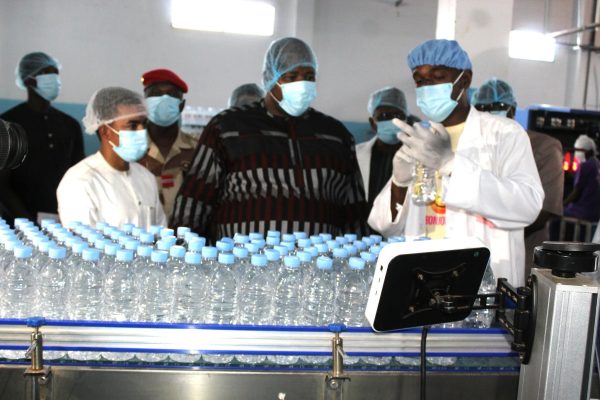
On July 14, the minister continued his ground-level tour, visiting Sahel Agro Ingénierie—a key player in processing local crops like peanuts, sesame, and tiger nuts—and two bottled water plants, Benie and Belvie. Far from a routine check, these visits were designed to assess the pulse of Niger’s industrial sector and pinpoint the hurdles still slowing its growth.
From peanut oil to bottled water: exploring Niger’s industrial backbone
At Sahel Agro Ingénierie, discussions centered on production capacity and scaling up output. The company currently produces around 1,000 liters of oil daily, a figure authorities hope to boost to curb the country’s reliance on imported cooking oils. The minister also toured the Benie and Belvie water bottling facilities, examining every stage from water purification to bottle packaging. A key focus was ensuring strict adherence to health standards, industrial quality benchmarks, and rigorous quality control measures.
Power, supply chains, and investment: tackling industry’s toughest challenges
The visits sparked direct exchanges with business leaders, revealing persistent obstacles in the sector. Energy shortages, logistical bottlenecks, and the need for fresh investment to expand production were among the top concerns raised. In response, Abdoulaye Seydou reaffirmed the government’s priorities: delivering products that meet international quality norms, ensuring fair domestic pricing, and fostering an industrial ecosystem that strengthens Niger’s economic resilience.
Local production as the cornerstone of Niger’s economic future
This latest tour follows a recent visit to other industrial sites, underscoring the government’s commitment to staying closely engaged with local manufacturers. Local production is now seen as a critical driver of value creation, a tool to reduce import costs, and a foundation for national economic sovereignty. By maintaining this hands-on approach, authorities aim to embed Niger’s industrial sector as a permanent pillar of development—one that fuels growth and cements the country’s independence.