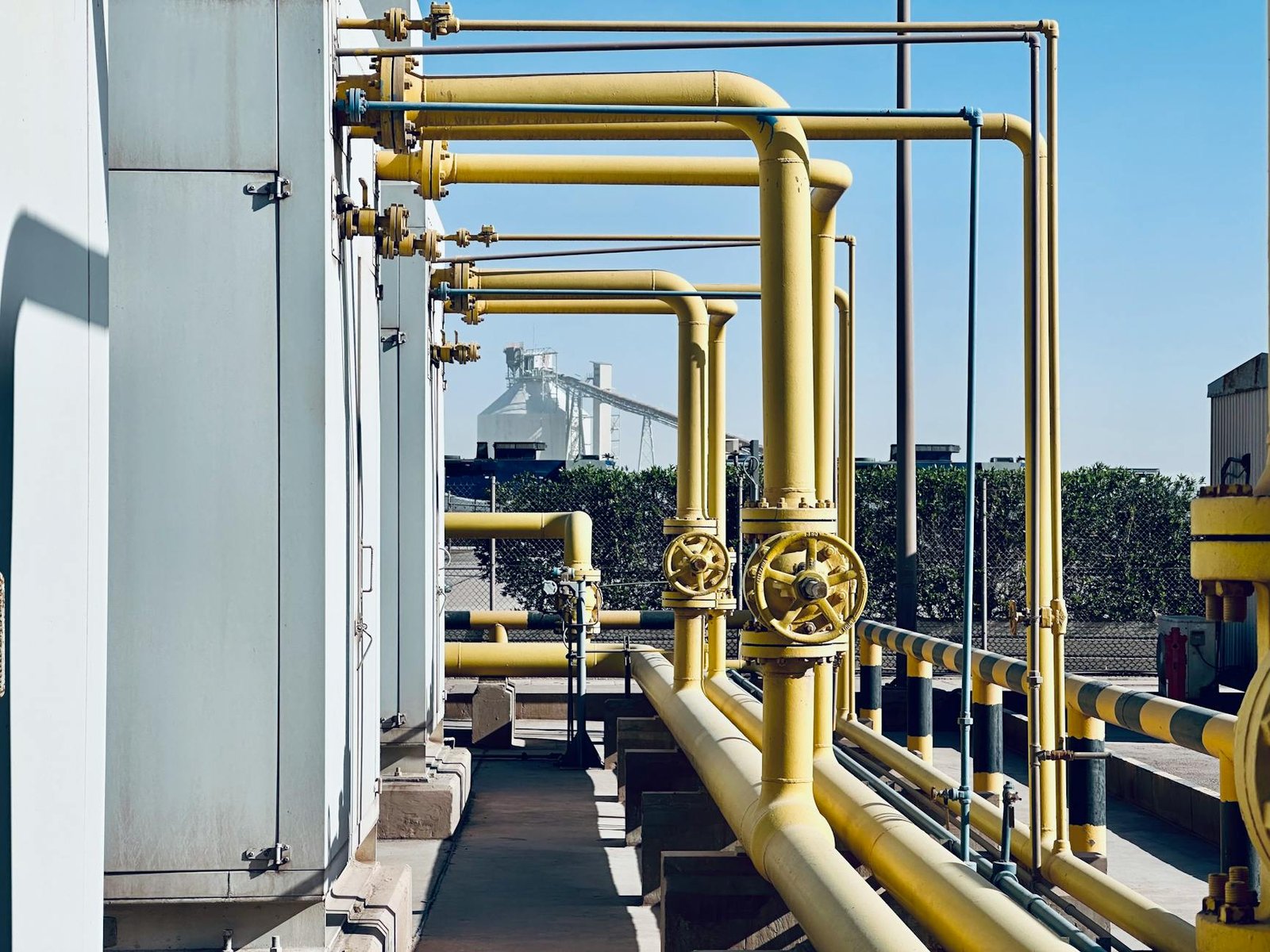
Niger and Algeria have embarked on a significant new chapter in their energy relationship, formalizing three pivotal cooperation agreements. This landmark signing, a highlight of the bilateral discussions between the two Sahel-Maghreb nations, underscores a shared vision for advancing hydrocarbon exploration, refining capabilities, and the professional development of personnel within the sector. For Niamey, actively seeking fresh alliances following a period of disengagement with various Western partners, this collaboration with Algiers represents a crucial diplomatic anchor and a strategic move in Sahel politics.
Solidifying the Niamey-Alger axis with new energy pacts
The newly ratified agreements encompass various facets of the energy value chain, ranging from upstream exploration activities to the specialized technical expertise essential for executing industrial projects. Niger, a notable producer of both petroleum and uranium, aims to enhance the value of its natural resources by leveraging the extensive experience of operators with a proven track record in similar geological environments. Algeria, through its national company Sonatrach — recognized as one of Africa’s leading hydrocarbon majors — possesses precisely this kind of valuable know-how, which it has successfully deployed across numerous countries on the continent.
Beyond the purely technical aspects, these accords pave the way for a vital transfer of skills to Nigerien engineers and technicians. Training represents a central challenge for a nation still striving to retain a greater share of the added value generated from its natural wealth. The prospect of Algerian support in the fields of refining and petroleum services directly addresses a clear demand from the transitional authorities in Niamey, who assumed leadership in July 2023.
A shared strategic vision for the Sahel region
This diplomatic sequence vividly illustrates Algiers’ strategic approach towards its southern flank. For several years, Algeria has pursued an active policy of engagement in the Sahel, fostering economic bridges with its immediate neighbors, notably Mali, Mauritania, and now Niger. Sharing nearly a thousand kilometers of common border with Niger, Algeria shoulders a distinct responsibility concerning regional security, managing migratory flows, and facilitating cross-border economic cooperation.
For the Nigerien authorities, strengthening the partnership with Algeria is part of a deliberate diversification strategy. Since the political transition in the summer of 2023, Niamey has reoriented its diplomacy towards capitals perceived as more respectful of its asserted sovereignty. Algeria’s geographical proximity, its extensive experience in mediating Sahelian crises, and the robustness of its North African energy industry form an attractive combination for a state seeking operational stability. This development offers a key West Africa insider news perspective.
Hydrocarbons, refining, and strengthening regional value chains
Medium-term prospects for energy cooperation between the two nations could also include interconnection projects. The long-discussed Trans-Saharan Gas Pipeline, connecting Algiers, Niamey, and Abuja, remains on the regional strategic agenda, despite facing significant financial, security, and technical obstacles. The recently signed agreements can serve as a valuable preparatory stage, laying the groundwork for enhanced institutional dialogue between the relevant ministries and national operators.
Niger, whose commercial oil production has seen a significant increase with the commissioning of the export pipeline to Benin’s Sèmè port, is actively seeking new markets and expanding its portfolio of industrial partners. Practically, collaboration with Sonatrach and Algerian training institutions could accelerate the development of local refining capacities and significantly improve the technical governance of the sector.
Ultimately, the true impact of these agreements will hinge on their operational implementation, supported by clear execution timelines and adequate financing. While declarations of intent are common in African energy relations, it is the tangible projects delivered that distinguish truly structuring partnerships from ephemeral announcements. For both Niamey and Algiers, the immediate challenge is to transform these signatures into concrete, measurable projects that create skilled employment opportunities.