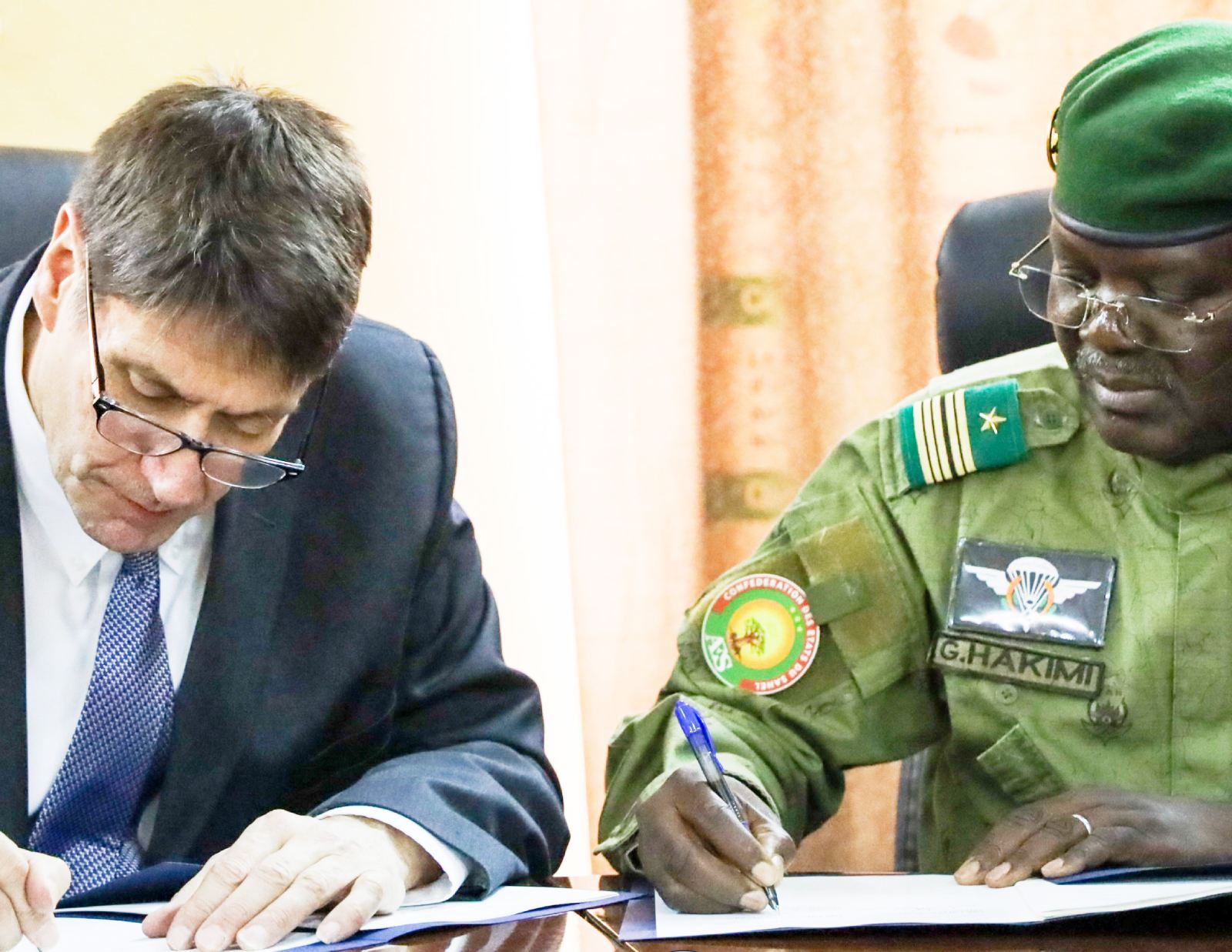
Niger and united states forge five-year health cooperation pact
On Thursday, February 26, 2026, in Niamey, Niger and the United States officially formalized a five-year bilateral memorandum of understanding aimed at enhancing collaboration in the health sector. This strategic alliance, as detailed in the official statement, is designed to fortify Niger’s healthcare infrastructure, fostering the development of more robust, self-sufficient, and sustainable health services.
The agreement outlines a significant financial commitment from the United States, potentially reaching $107 million over the five-year duration. Concurrently, the Government of Niger is set to augment its national health expenditures by over $71 million within the same timeframe. This collective investment is projected to total approximately $178 million.
As per the accord’s provisions, key objectives include solidifying progress in the battle against malaria, elevating the surveillance and response mechanisms for infectious diseases, and providing crucial support for poliomyelitis prevention, alongside initiatives for maternal and child health. Furthermore, the partnership is expected to bolster the capabilities of healthcare professionals and broaden access to essential diagnostic tools and treatments.
Through this collaborative framework, Niamey and Washington underscore their dedication to direct cooperation focused on tangible outcomes. A strong emphasis is placed on minimizing administrative overheads and channeling resources to frontline healthcare services. For Niger, this commitment paves the way for a more effective public health system, characterized by greater national autonomy in defining and addressing its health priorities.
The signing of this pact signifies a pivotal advancement in the partnership between Niger and the United States within the critical domain of public health. It arrives at a time when issues of national sovereignty, operational efficiency, and the long-term viability of health policies are at the forefront of global discussions.