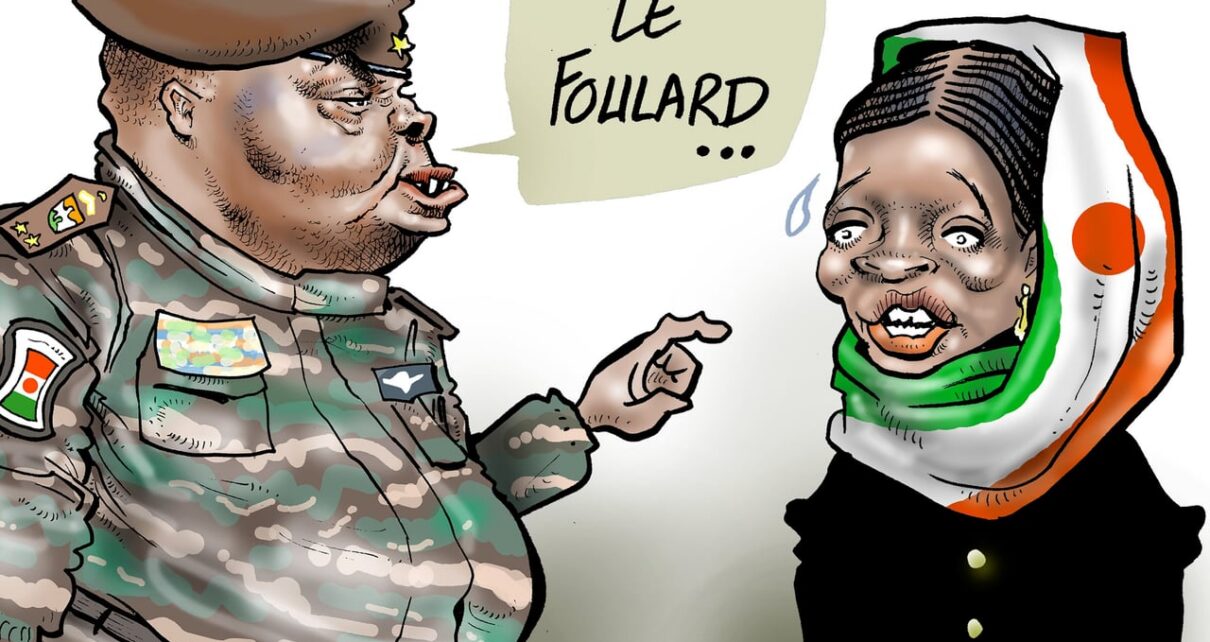
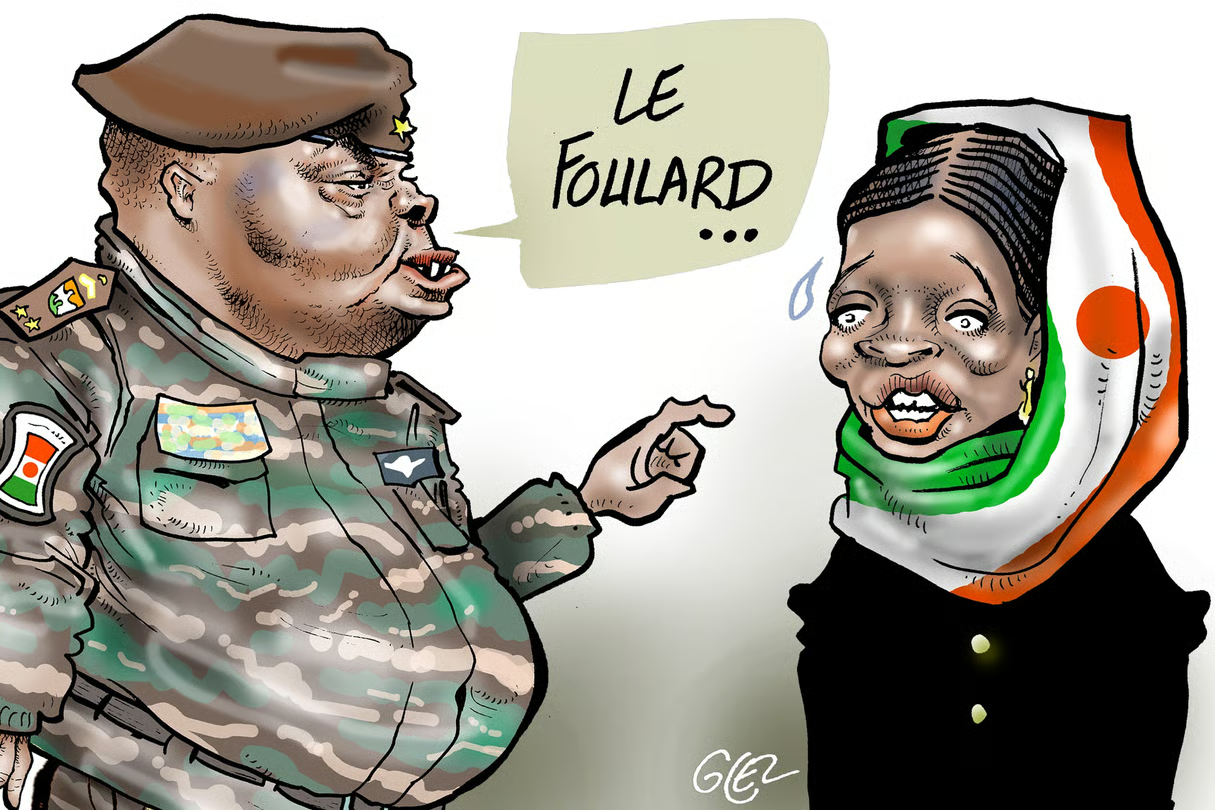
The Nigerien authorities have officially revoked the citizenship of prominent activist Mariama Djibrine, widely known by her alias Mayra. The decision, announced by the ruling junta through its head of state, General Abdourahamane Tiani, strips her of all rights associated with her nationality.
This unprecedented move has sent shockwaves through civil society organizations and international observers, particularly given Mayra’s vocal criticism of the military government’s policies in recent months. Her activism has increasingly focused on governance challenges and human rights concerns in Niger.
Legal grounds and implications
According to the official decree, Mayra’s citizenship was withdrawn under provisions related to national security and public order. Authorities cited her alleged involvement in activities deemed detrimental to the state’s stability, though no specific charges were detailed in the announcement.
The revocation effectively renders her stateless, a status that raises serious concerns under international law. Legal experts point out that such a measure could violate fundamental human rights treaties to which Niger is a signatory.
Reactions from civil society
Human rights defenders and opposition figures have condemned the decision as an attempt to silence dissent. Several prominent activists have publicly expressed solidarity with Mayra, organizing impromptu gatherings in Niamey to protest the move.
Civil society leaders argue that this action sets a dangerous precedent for the suppression of free speech in a country already grappling with political instability. The timing of the announcement, coinciding with increased scrutiny of the junta’s policies, has further fueled tensions.
International response
While no formal statements have been issued by foreign governments as of yet, diplomats based in Niamey have privately expressed concern over the development. The situation in Niger remains closely monitored by regional and international bodies, especially in light of recent political transitions across the Sahel.
Observers note that this case could have broader implications for the treatment of activists and critics in the region, where military-led governments have tightened their grip on power in recent years.