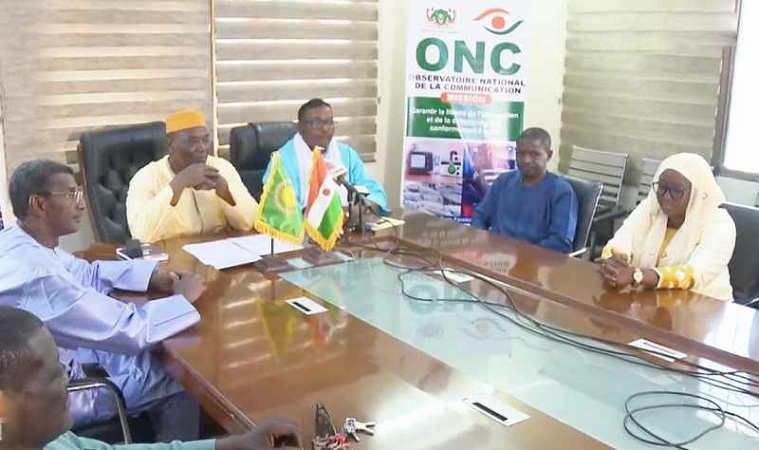
Niger takes strict action against foreign media for alleged threats to national security
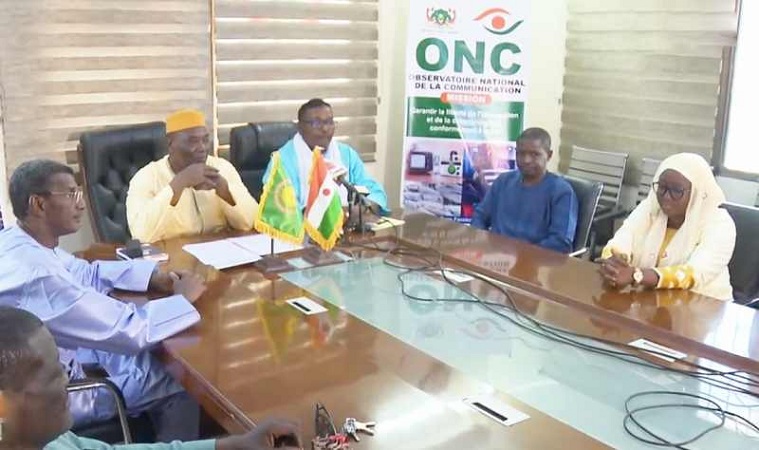
The Nigerien National Observatory of Communication (ONC), led by Ibrahim Manzo Diallo, announced on national television Télé Sahel the suspension of nine major francophone and pan-African media outlets operating in Niger. The decision, justified by risks to public order and national cohesion, affects prominent names including France 24, Radio France Internationale, Agence France-Presse, and several others.
The ONC cited concerns that certain content broadcast by these outlets could severely compromise public safety, national unity, and institutional stability. In response, authorities in Niamey extended the suspension across all distribution channels—satellite, cable networks, websites, digital platforms, and mobile applications. This move underscores how Niger views media regulation as a cornerstone of national security.
The announcement coincides with escalating security challenges in western Niger, particularly in the Tillabéri region bordering Mali and Burkina Faso, where armed terrorist groups have intensified attacks. Since January 18, 2026, the Islamic State in the Sahel (EIS) has claimed the lives of 31 civilians—including four children—alongside five captured fighters in two separate incidents.
By tightening control over influential media channels, the Nigerien government is signaling its commitment to safeguarding national interests. Authorities increasingly regard information flows as a strategic asset on par with political, diplomatic, and military considerations. This policy shift aligns with ongoing discussions within the Alliance of Sahel States (AES)—comprising Niger, Mali, and Burkina Faso—aimed at strengthening media regulation and information governance across the region.