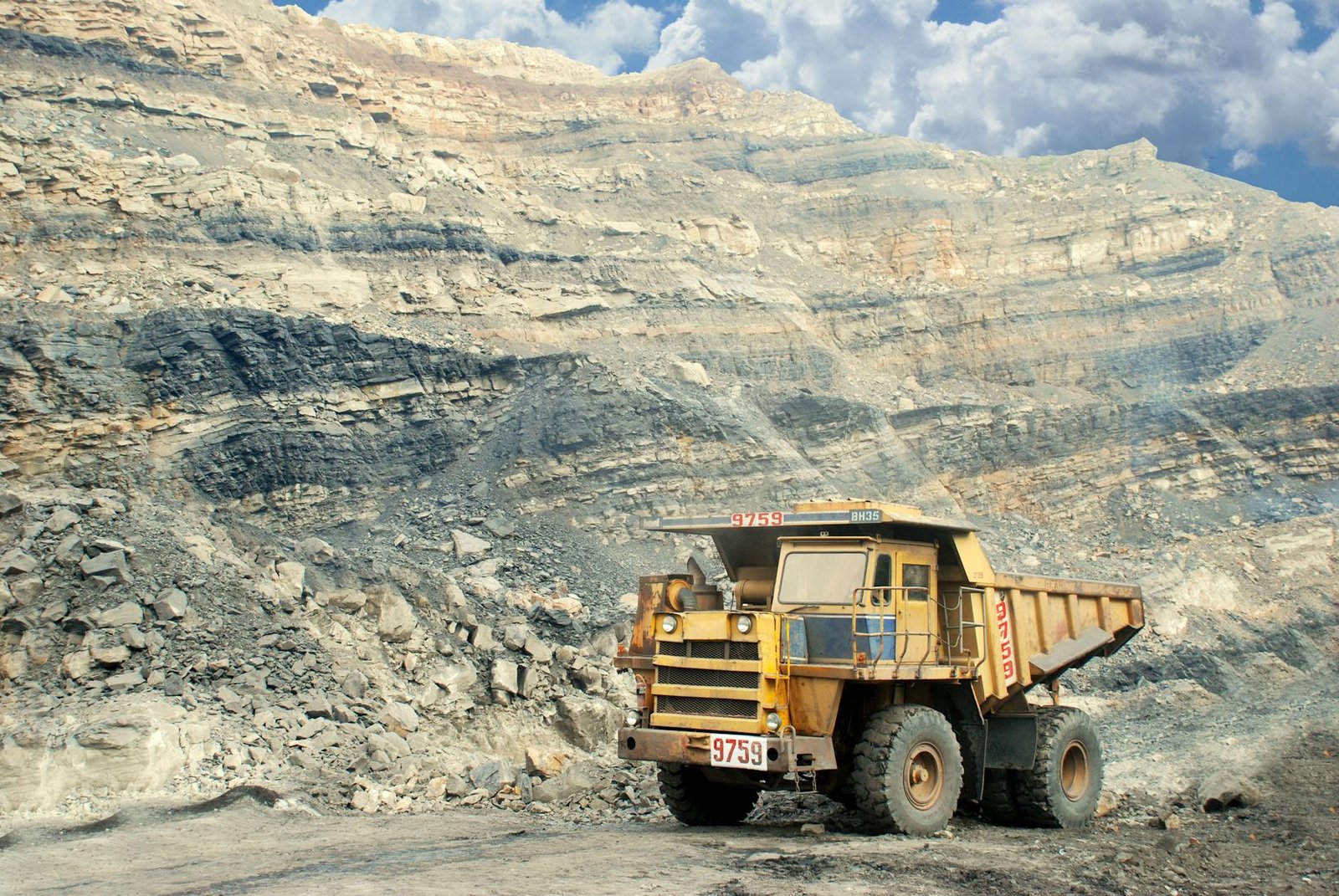
The Republic of Niger has formally announced the establishment of the Timersoï Uranium Mining Company (TSUMCO), a state-owned entity set to take over uranium mining operations in Arlit, a key mining hub in the northern region. This move coincides with the termination of the long-standing concession granted to the French multinational Orano—formerly known as Areva—for one of the Sahel’s most significant uranium deposits. The decision reflects Niamey’s ongoing commitment to reclaiming control over its natural resources amid a broader shift in mineral governance.
TSUMCO: a strategic pivot in Niger’s uranium sector
The formation of TSUMCO underscores the government’s resolve to nationalize the entire value chain of uranium, a mineral of critical importance to both energy security and economic sovereignty. Arlit, operational since the early 1970s, has for decades been a cornerstone of France’s civil nuclear fuel supply. With this transition, the Nigerien state transitions from a minority stakeholder to the direct operator of one of Africa’s most strategic uranium fields.
However, the shift brings operational challenges to the fore. Uranium mining demands specialized expertise, strict radioprotection protocols, and reliable commercial pathways. TSUMCO must swiftly address key industrial decisions, including workforce retention, infrastructure maintenance, and potential technical partnerships for mineral processing and export logistics.
Orano exits Arlit after decades of operation
The withdrawal of Orano from Arlit closes a decades-long chapter in Niger’s mining history. The company, which evolved from Cogema and Areva, managed uranium extraction through two major subsidiaries: the Société des mines de l’Aïr (Somaïr) and the Compagnie minière d’Akouta (Cominak), with the latter ceasing operations in 2021. Since the July 2023 coup and the subsequent strain in Niger-France relations, the position of French-owned mining assets has steadily eroded.
The revocation of the Imouraren mining permit in 2024 signaled a turning point. Now, the end of Orano’s concession in Arlit confirms Niger’s determination to permanently sever ties with its former mining partner. Legal disputes may persist, as Orano has already initiated international arbitration proceedings on other Nigerien mining contracts.
Mining sovereignty and evolving partnerships across the Sahel
The launch of TSUMCO is part of a wider regional trend. In Mali and Burkina Faso, transitional governments have revised mining codes, renegotiated contracts, and increased state participation in extractive industries. The three nations, now aligned under the Alliance of Sahel States (AES), advocate for a sovereign approach to mineral wealth, prioritizing national control over foreign exploitation.
For Niger, diversifying buyers is now a strategic imperative. Russia, China, Turkey, and several Gulf states are frequently mentioned as potential partners for its uranium exports. The country, which once supplied roughly one-fifth of the European Union’s uranium needs, now faces a potential realignment of its mineral trade flows. Long-term supply agreements with EDF and other European utilities will need reassessment under this new framework.
Beyond geopolitics, the financial implications are significant. Historically, uranium revenues have contributed modestly to Niger’s public finances. Under direct state management, however, TSUMCO could unlock higher margins—provided it secures solvent buyers and maintains strict cost controls. In the short term, operational continuity, local job preservation, and radiological safety at the Arlit site remain top priorities.
This development marks a profound shift in the geoeconomic landscape of central Sahel. While the creation of TSUMCO is a powerful symbol of sovereignty, it also places Niger on a high-stakes path toward translating national control into industrial performance and economic resilience.