Niger faces growing cholera outbreak: what you need to know
Health authorities in Niger are sounding the alarm as over 600 cholera cases have been recorded in the Maradi and Zinder regions in recent weeks.
Current outbreak details and health impact
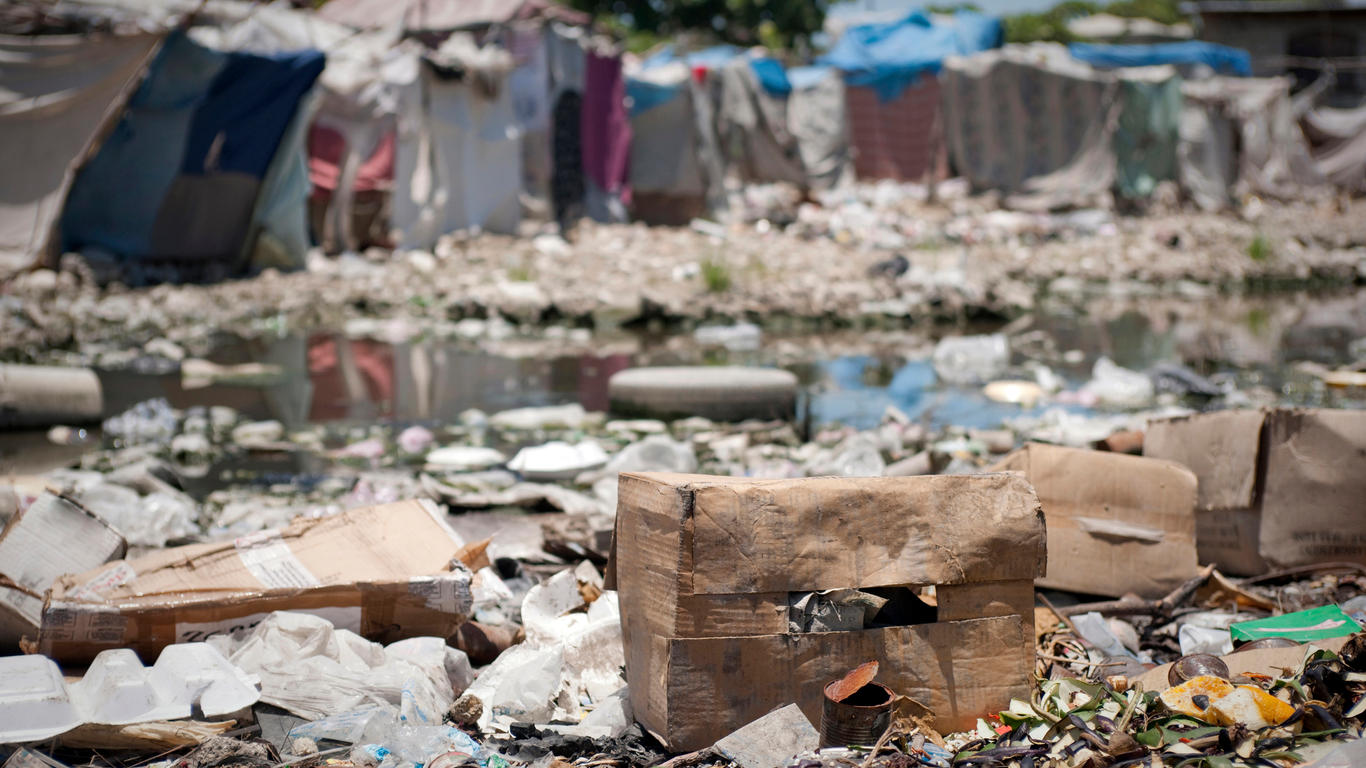
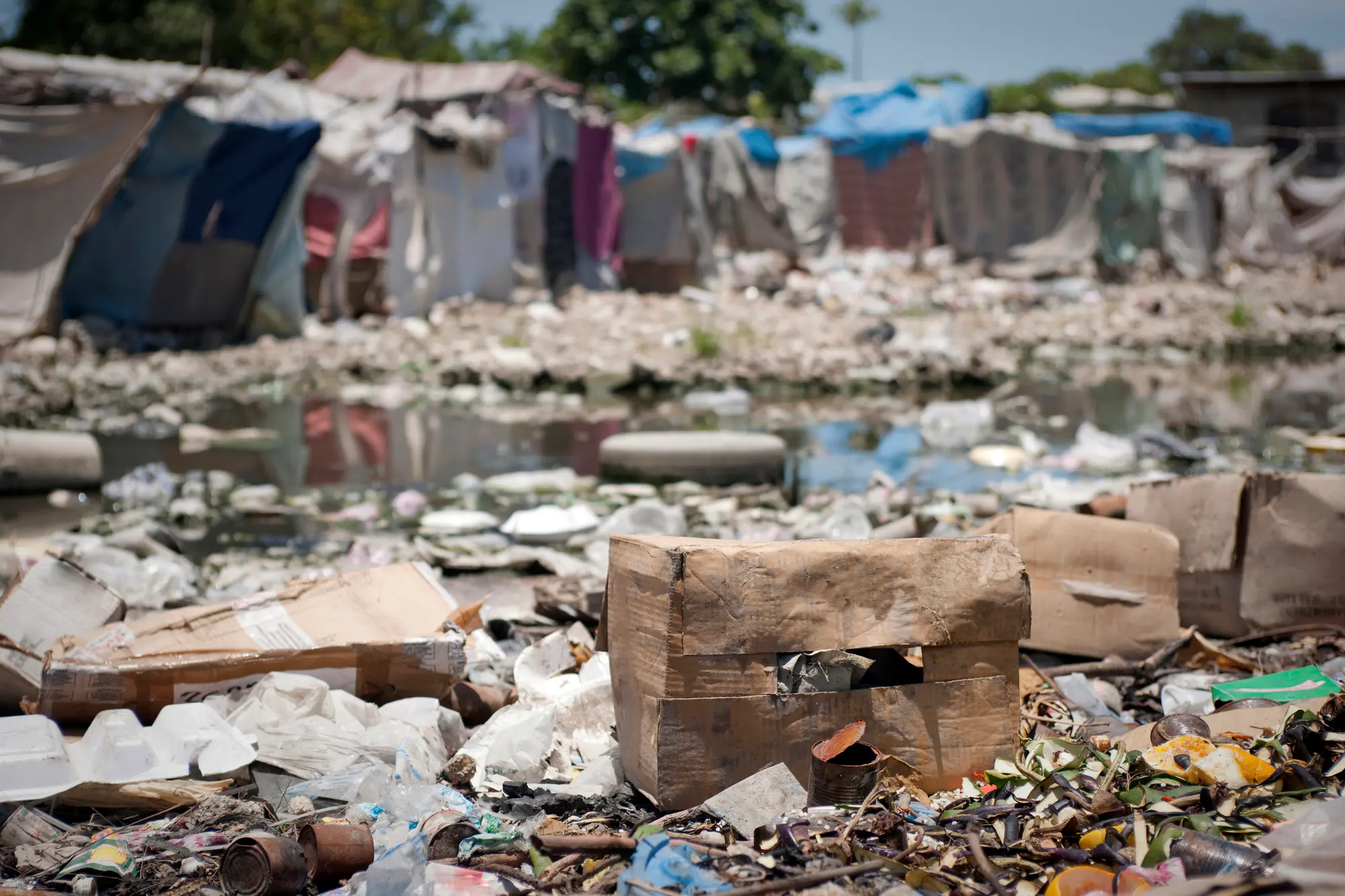
Heavy seasonal rainfall along the border between Niger and Nigeria has triggered a new surge in cholera cases. This acute intestinal infection, caused by bacteria in contaminated and stagnant water, has already affected more than 600 individuals across the affected regions. Of these cases, 400 patients have recovered, while 156 remain under medical care.
The outbreak has claimed at least 19 lives, according to official reports. Health officials warn that the situation remains critical as vulnerable populations face heightened infection risks.
Understanding cholera transmission and risk factors
Cholera spreads rapidly when people consume contaminated water or food containing the Vibrio cholerae bacteria. Poor hygiene practices, inadequate sanitation infrastructure, and the lack of clean drinking water significantly amplify transmission risks in affected areas.
Since the last major outbreak in 2018, sporadic cases have reappeared in Niger. However, reduced immunity among populations has made communities more susceptible to this year’s surge, particularly during the rainy season when contamination risks peak.
Why prevention and awareness are crucial
Without proper hygiene measures, contaminated water sources can lead to explosive outbreaks. Health authorities emphasize that preventive action—such as boiling water, proper handwashing, and avoiding raw or undercooked foods—is essential to curb the spread. Public health campaigns are underway to educate communities on recognizing symptoms early and seeking treatment promptly.
Government response and long-term solutions
In response to the crisis, health officials have established treatment centers in the worst-affected regions. Free medical consultations and medications are being offered to encourage early intervention. However, experts stress that sustainable solutions require long-term investments in sanitation infrastructure, wastewater management systems, and reliable access to clean drinking water.