Niamey’s pragmatic shift: securing oil lifeline through Chinese partnerships
In a striking reversal of its recent rhetoric on economic sovereignty, Niger’s military-led government has finalized a series of oil agreements with China National Petroleum Corporation (CNPC). The move, framed as a strategic victory for national interests, underscores a harsh economic reality: Niamey’s dire need for immediate revenue to stabilize a collapsing public treasury.
From defiance to desperation: the pipeline dilemma
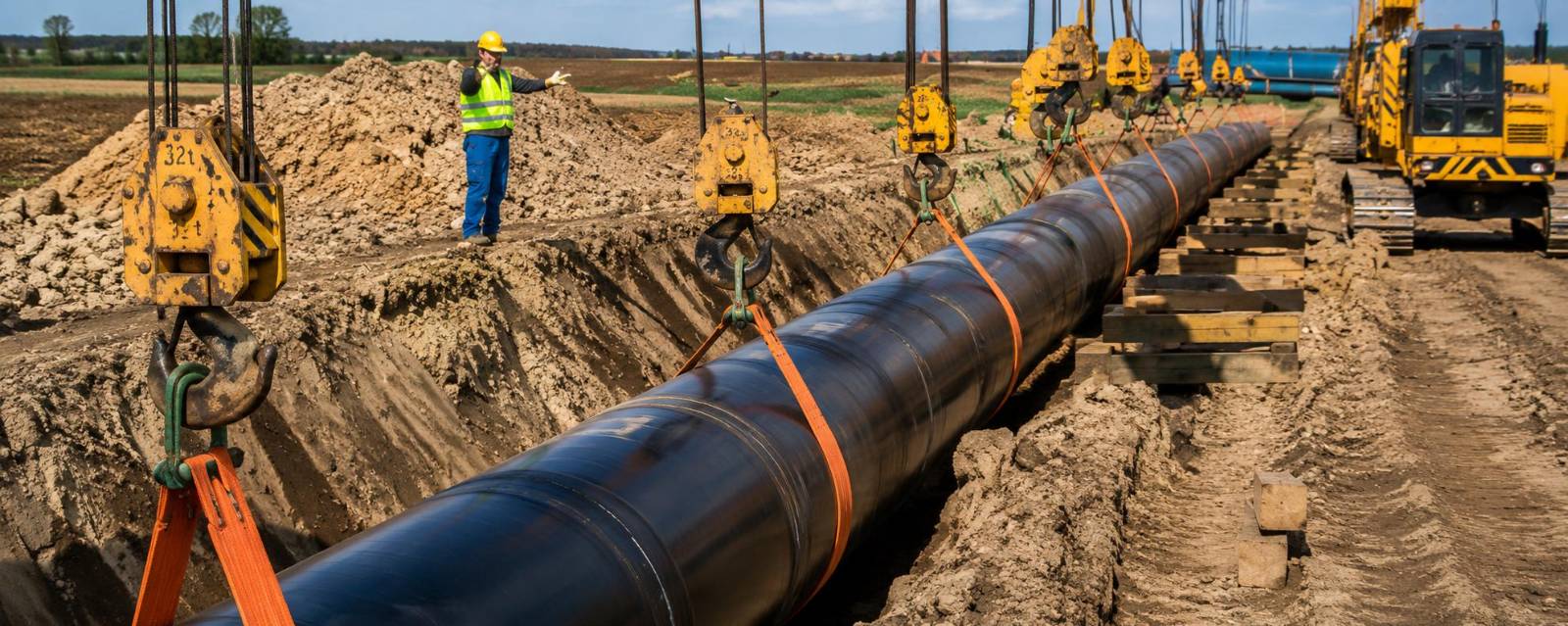
For months, Nigerien authorities had publicly rejected Chinese terms for operating the WAPCO pipeline and crude extraction, insisting on sweeping revisions to boost local benefits. Yet this uncompromising stance quickly crumbled under the weight of financial isolation. With critical funding from regional and global partners stalled, the government found itself at Beijing’s doorstep—not as a negotiator, but as a supplicant.
What the CNPC deal really delivers
Officially, the agreement is hailed as a triumph for Nigerien job localization and a 45% stake increase for the state in WAPCO. Critics, however, dismiss these claims as window dressing. The pact’s true purpose, they argue, is to unlock immediate oil exports and inject much-needed foreign currency into a nearly empty state coffers. Without this lifeline, the government risks defaulting on essential services and fueling public unrest.
Political opponents and independent financial observers raise a troubling question: Is this deal a lifeline for Niger’s people—or for the ruling elite? The rapid conclusion of negotiations, they warn, could allow opaque financial flows to bypass international scrutiny, risking embezzlement and misallocation of resources meant for critical infrastructure like healthcare, education, and rural development.
Shifting dependence, not reducing it
By deepening its oil ties with Beijing, Niger is merely exchanging one form of dependency for another. While minor concessions were secured—such as local hiring quotas for the Soraz refinery and wage harmonization—these appear superficial when stacked against the broader reality. Chinese state-owned enterprises continue to dominate the entire oil value chain, from extraction to maritime export, leaving Niger with limited control over pricing, volumes, and long-term revenue stability.
Regional precedents offer a cautionary tale. Across Sub-Saharan Africa, resource-rich nations often struggle to transform extractive revenues into inclusive development. Weak institutions, corruption, and centralized power structures frequently divert oil wealth toward regime survival rather than national progress. Niger now faces the same challenge: proving that this Chinese-funded windfall will fund nation-building—not just regime maintenance.
The government’s about-face on oil policy signals a broader truth: Even revolutionary rhetoric cannot outlast the grinding demands of economic survival. While Niamey clings to the narrative of regained autonomy, its latest deals reveal a government caught between principle and pragmatism—with the latter winning by a narrow margin.