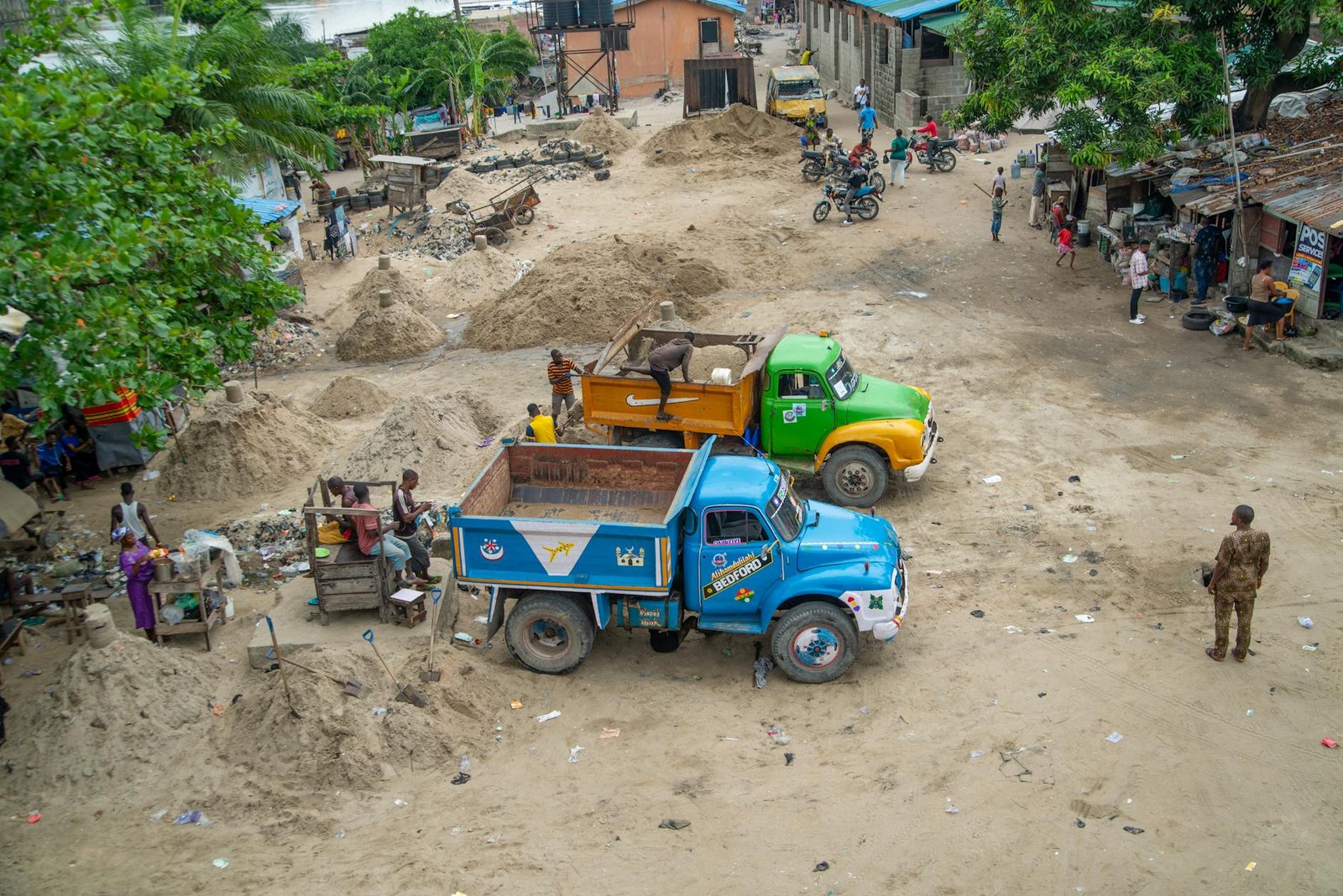
The Dakar-Bamako highway, the backbone of trade between Sénégal and Mali, is facing one of its most severe security crises to date. The Union of Senegalese Truckers (URS) has instructed its drivers to suspend cross-border trips into Mali due to escalating attacks by the Group for the Support of Islam and Muslims (Jnim), an Al-Qaeda-affiliated jihadist faction. Since late April, convoys carrying goods have become prime targets for militants, turning a critical trade artery into a high-risk zone.
Trade lifeline under siege
The Dakar-Bamako corridor handles the majority of land-based trade between the two nations. Fuels, food supplies, construction materials, and manufactured goods flow daily through this route, especially after Mali—a landlocked country—deepened its reliance on Sénégal’s port infrastructure. Border closures with Côte d’Ivoire during the regional diplomatic standoff had already redirected logistics toward Dakar, making its port a pivotal hub for Malian imports. Now, the URS’s decision threatens to sever this lifeline.
Without Senegalese truckers, Bamako’s fuel supply, manufactured goods, and essential commodities could face severe shortages. Markets already grappling with inflation and scarcity may soon see prices skyrocket as supply chains fracture.
Jnim’s economic warfare on Sahelian logistics
Since late April, the Jnim has escalated its campaign against Malian economic infrastructure, particularly targeting fuel tankers, cargo trucks, and public transport vehicles on key routes linking Bamako to Sénégal and Mauritania. This strategy, previously deployed in central Mali against military convoys, has now spread to western regions once considered relatively safe.
The jihadist group’s dual objectives are clear: suffocate urban centers controlled by Malian forces while exposing the transitional government’s inability to secure national roads. Simultaneously, these raids provide the militants with fuel and manufactured goods—vital resources for sustaining operations in remote rural areas.
The human and financial toll on Senegalese transporters is mounting. Multiple drivers have been killed, injured, or abducted in recent ambushes. Incinerated vehicles represent devastating losses for often family-run businesses lacking jihadism-specific insurance coverage.
Regional ripple effects force Sénégal’s hand
The voluntary halt in cross-border trips presents Sénégal’s government with a complex diplomatic and economic challenge. Since assuming office, President Bassirou Diomaye Faye has prioritized dialogue with Sahelian juntas, diverging from the Economic Community of West African States (ECOWAS) stance under the previous administration. Yet, the growing insecurity on the corridor now jeopardizes Sénégal’s economic interests and the safety of its citizens.
Dakar’s port, which had seen a surge in Malian-bound cargo traffic, risks a decline in container volumes if overland transport to Bamako remains disrupted. Logistics operators are already considering longer, costlier alternatives—such as rerouting via Mauritania—or marginal rail solutions with limited capacity.
The crisis extends beyond Sénégal, destabilizing the broader West African trade framework. The Jnim’s ability to paralyze a 1,200-kilometer corridor underscores the vast security vacuum left by the withdrawal of Western partners and the ongoing restructuring of the Alliance of Sahel States. Whether Dakar and Bamako can forge a collaborative response to reopen the route remains uncertain, particularly as Malian authorities have dismissed such prospects.