
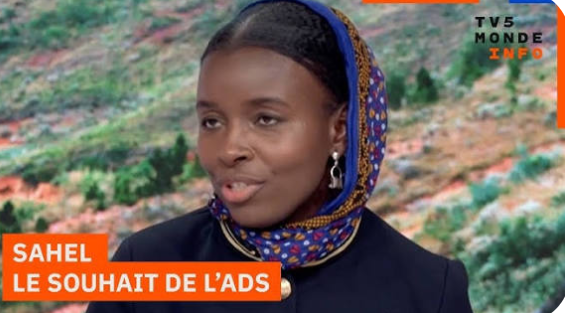
The Nigerien authorities strip Dr. Mayra Djibrine of her nationality
In a sweeping policy shift, Niger’s transitional authorities have revoked the citizenship of Dr. Mayra Djibrine, a prominent figurehead of the Alliance des démocrates du Sahel (ADS), an organization headquartered in Brussels. This unprecedented move, executed through an official decree, has ignited fierce debates across Niamey’s social and political spectrum. While some applaud the government’s resolve in safeguarding national sovereignty, others warn of the long-term risks to individual freedoms under the new legal framework.
A decisive government action with far-reaching implications
The decision, formalized under the recent amendments to the nationality code, strips Dr. Djibrine—an academic and outspoken advocate for constitutional restoration—of her civic and political rights as a Nigerien citizen. Authorities justify the measure by citing her alleged involvement in activities deemed “contrary to Niger’s strategic interests and national sovereignty.” Over recent months, the ADS has intensified its criticism of the transitional government, lobbying European institutions for immediate democratic normalization. For Niamey, such external advocacy is framed as a destabilization attempt, warranting the use of extraordinary legal tools introduced in late 2024 to combat acts of treason or threats to national defense.
Voices from Niamey: between support and alarm
The decree has become a hot topic in the capital’s bustling markets and quiet academic corridors, revealing starkly divided public opinion. At the bustling Grand Marché, traders openly endorse the government’s stance. Amadou, a fabric vendor, insists on the necessity of such measures: “This is a defining moment for our nation. We cannot tolerate citizens living abroad, enjoying European comforts, while urging sanctions against their own people. If you undermine Niger’s interests from Brussels, you forfeit your right to claim Nigerien identity. This is about patriotism.”
Yet, just a few kilometers away in the intellectual hub of the Université Abdou Moumouni, voices of dissent grow louder. Fatouma, a law student, voices deep legal and ethical concerns: “This sets a dangerous precedent. Stripping someone of their nationality over political opinions—even those voiced abroad—violates fundamental rights. Nationality is not a privilege to be revoked at will. Today it’s Dr. Djibrine; tomorrow, who knows? The space for free expression is shrinking.”
Legal ambiguities and diplomatic ripple effects
Legal experts in Niamey are divided over the decree’s compliance with national and international law. The revised nationality code, enacted by the Conseil national pour la sauvegarde de la patrie (CNSP), expands the grounds for revocation, including acts perceived as undermining sovereignty. Pro-government jurists argue the procedure adheres to exceptional legal provisions. Human rights defenders, however, highlight violations of international conventions that prohibit rendering individuals stateless.
Diplomatically, the move sends a strong message to the Nigerien diaspora and host nations, particularly in Europe. By targeting the head of an organization based in Brussels, Niamey signals its intent to curb political dissent beyond its borders, employing citizenship revocation as a punitive tool against perceived external threats.
Sovereignty vs. freedoms: a debate that refuses to fade
The revocation of Dr. Djibrine’s nationality marks a pivotal moment in Niger’s evolving political landscape. While a segment of the population applauds it as a protective measure for national integrity, others fear it signals a broader erosion of civil liberties. As the country navigates internal reforms and shifting alliances, the tension between state security and citizen rights continues to define public discourse. In a nation at a crossroads, the question remains: how far can the pursuit of sovereignty go before fundamental freedoms are compromised?