Spain and Morocco unite to address migration surge at Ceuta and Melilla
Urgent diplomatic response to Ceuta’s migration pressure
The recent surge in irregular migration at Ceuta has triggered immediate diplomatic and security coordination between Spain and Morocco. Both nations have committed to expediting the return of all migrants who entered Ceuta illegally, applying existing bilateral mechanisms. This policy will also apply to Melilla, where similar migration pressures persist.
With irregular crossings—both by sea and land—rising sharply, Madrid and Rabat are intensifying their joint efforts to control migratory flows and manage border security. The collaboration extends to combating human trafficking networks, which authorities believe are exploiting recent legal rulings to encourage dangerous border crossings.
European Union backing and border management
Brussels has pledged full support to Spain, deploying Frontex reinforcements in Ceuta while urging Morocco to take immediate action. The EU’s commitment includes strengthening resources to “master the situation” in the enclave, maintaining continuous dialogue with Moroccan authorities to curb perilous sea crossings and deter future irregular entries.
Bilateral cooperation takes center stage
Facing an unprecedented influx of migrants—thousands of whom crossed via the Tarajal border post—Spain and Morocco have agreed to enhance bilateral cooperation and expedite the return of irregular migrants, leveraging established collaboration frameworks.
Spanish Interior Minister Fernando Grande-Marlaska is scheduled to visit Ceuta to oversee crisis management firsthand. He remains in constant contact with his Moroccan counterpart, Abdelouafi Laftit, to reinforce joint efforts in addressing this pressing challenge.
Insiders within Morocco’s Interior Ministry have expressed concerns that this crisis could strain the strategic partnership between Morocco, Spain, and the European Union, potentially undermining regional stability.
Denying political motives behind migration surge
The Spanish government has firmly rejected claims linking the migration surge to Pedro Sánchez’s recent visit to Algeria. The Foreign Ministry emphasized that “migration cooperation with Morocco remains robust within the framework of the strategic partnership between the two countries.”
Spanish Prime Minister Pedro Sánchez has vowed to restore normalcy in Ceuta amid the irregular migration influx. The government is mobilizing all available resources, coordinating with Moroccan authorities and international partners to address the situation.
In a statement on X (formerly Twitter), Sánchez assured that the executive is preparing “necessary measures” to restore order “as soon as possible,” underscoring the critical role of close cooperation with Morocco in managing the current migratory pressure.
Human trafficking networks fuel crisis
Both Madrid and Rabat attribute the migration surge to human trafficking networks, which have capitalized on a recent Supreme Court ruling prohibiting immediate repatriation of migrants who swim to Ceuta and Melilla. This legal decision is being exploited to encourage irregular border crossings.
Ceuta’s emergency: human cost and security strain
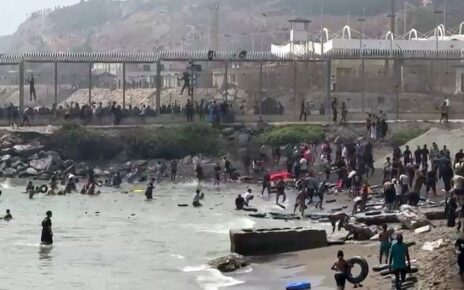
Following the 2021 migration crisis, Ceuta is once again facing unprecedented pressure as hundreds of migrants—many young—arrive by sea or through the Tarajal border. Authorities have recovered eleven bodies of drowned youths, highlighting the deadly risks of these journeys.
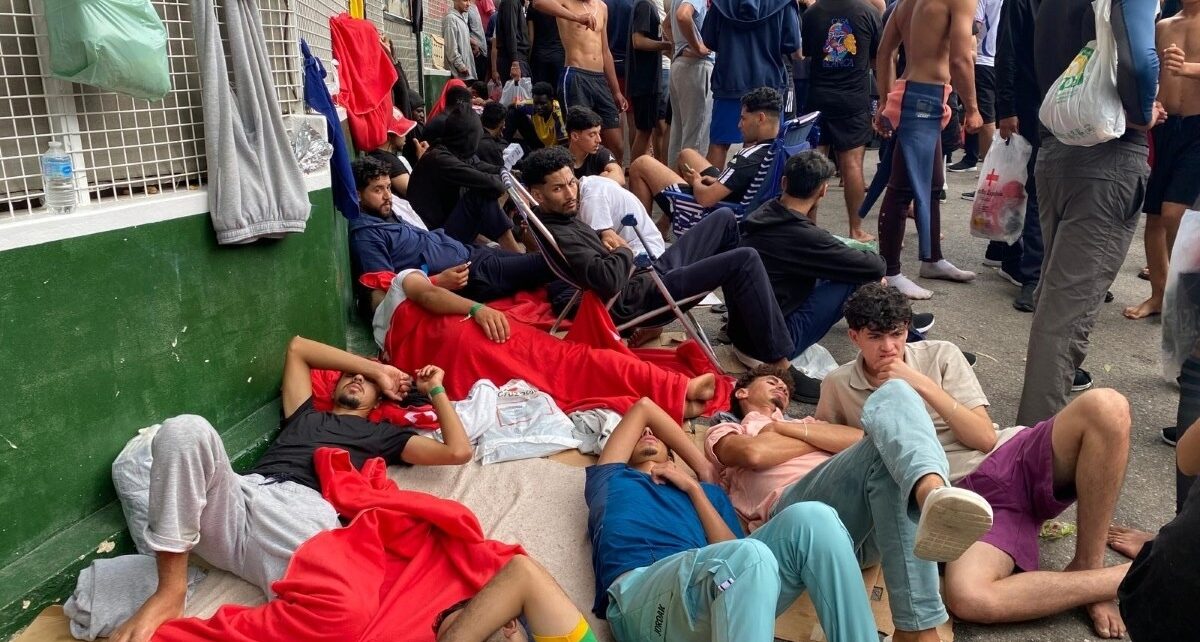
Despite ongoing efforts, irregular entries continue unabated, overwhelming emergency and security services. Nighttime swimming attempts persist, pushing the Civil Guard to its limits. With reception centers at full capacity, local authorities have called for a state of emergency, though Madrid has so far declined to declare one.
The migration wave has created makeshift camps as arrivals await accommodation. Misinformation on social media fuels the trend, with many migrants lured by promises of a “better life” in Spain. The situation has raised critical questions about the root causes driving this exodus.
Structural challenges behind the migration crisis
This mass migration phenomenon, described by analysts as a “collective escape,” reflects deeper structural issues: youth unemployment, regional inequalities, and institutional distrust. It challenges Morocco to create viable opportunities that make staying a preferable option.
Questions have also been raised about the involvement of Algerians and Sub-Saharan nationals in organizing these crossings, suggesting external actors may be exploiting the crisis to destabilize Morocco and its relations with Spain and the EU. The timing, coinciding with Morocco’s Throne Day celebrations, has further fueled speculation about deliberate attempts to undermine national pride and highlight governance challenges.
Behind every successful arrival in Ceuta lies a far greater human toll—those who perish at sea, whose stories remain untold. The sight of young migrants celebrating their arrival in the enclave raises urgent questions about responsibility, opportunity, and the future of North Africa’s youth.