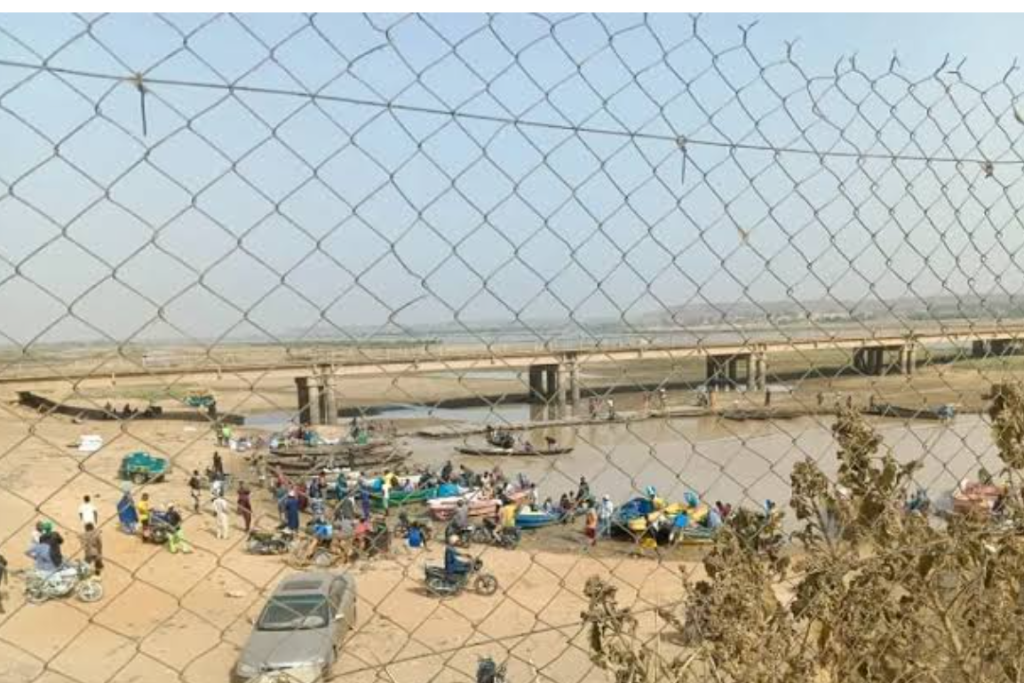
The International Monetary Fund has delivered a harsh verdict: Niger’s border closures have drained public coffers of 117 billion FCFA. This staggering figure reveals the depth of the economic crisis gripping West Africa since the region’s political upheavals. Customs and tax revenues, the lifeblood of Sahelian states, have plummeted. By blocking the historic trade routes linking coastal ports to landlocked markets, military regimes believed they could exert geopolitical pressure on neighbors and regional bodies. Instead, they’ve left their own economies gasping for air.
Financial collapse: a direct hit to Niger’s economy
The IMF’s assessment leaves no room for doubt: paralysis in cross-border trade has created a budgetary black hole of 117 billion FCFA. This loss is not just a number—it represents the collapse of a financial lifeline that sustained public services, from education to healthcare. By severing ties with traditional partners, these regimes have undermined the very foundations of their own sovereignty. The result? A cascading decline in state revenue, leaving governments scrambling to fund essential services while grappling with unsustainable deficits.
Inflation hits households as markets reel from shortages
The human cost of these closures is visible in every neighborhood. Local markets, once bustling with affordable staples, now groan under the weight of soaring prices. Rice, cooking oil, sugar, and even cement have become luxuries. The scarcity stems from blocked supply chains and rerouted transport routes, which inflate costs beyond reach for ordinary citizens. Small traders and informal workers bear the brunt, their livelihoods collapsing under the strain. The most vulnerable populations—those already struggling to make ends meet—are hardest hit. By choking off cross-border trade, governments have shattered the economic networks that sustained entire communities.
Security rhetoric masks economic failure
Faced with plummeting revenues and public discontent, the military-led governments of the Alliance of Sahel States (AES) cling to a familiar narrative: blame external threats or structural weaknesses. Bridges and roads are closed under the guise of national security, yet the true motive appears increasingly transparent. This rhetoric serves as a smokescreen, diverting attention from the regimes’ own mismanagement and inability to stabilize public finances. By framing border closures as patriotic resistance, they obscure the fact that their policies have choked investment, stifled private enterprise, and left economies dependent on fragile financial crutches.
Time for pragmatic solutions
The ideological deadlock has collided with harsh economic reality. A deficit of 117 billion FCFA cannot be resolved with martial rhetoric or accusations against international partners. The Sahel’s economic lifeblood is trade—unfettered movement of goods and people. By turning borders into political trenches, these regimes have weakened the region at its core. To avert a social catastrophe, pragmatic steps are essential: reopening transit routes, engaging in constructive dialogue with regional economic bodies, and lifting trade barriers. The survival of Sahelian economies—and the people who depend on them—hangs in the balance.