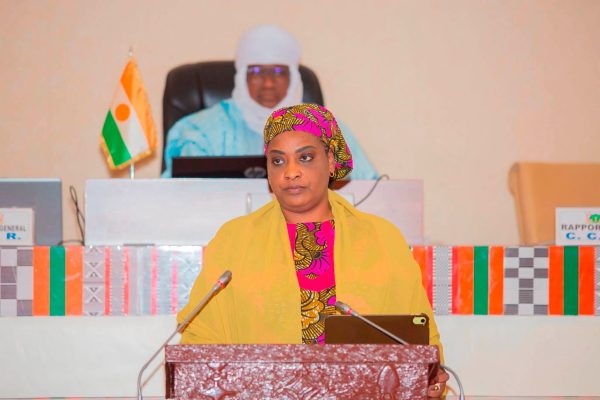
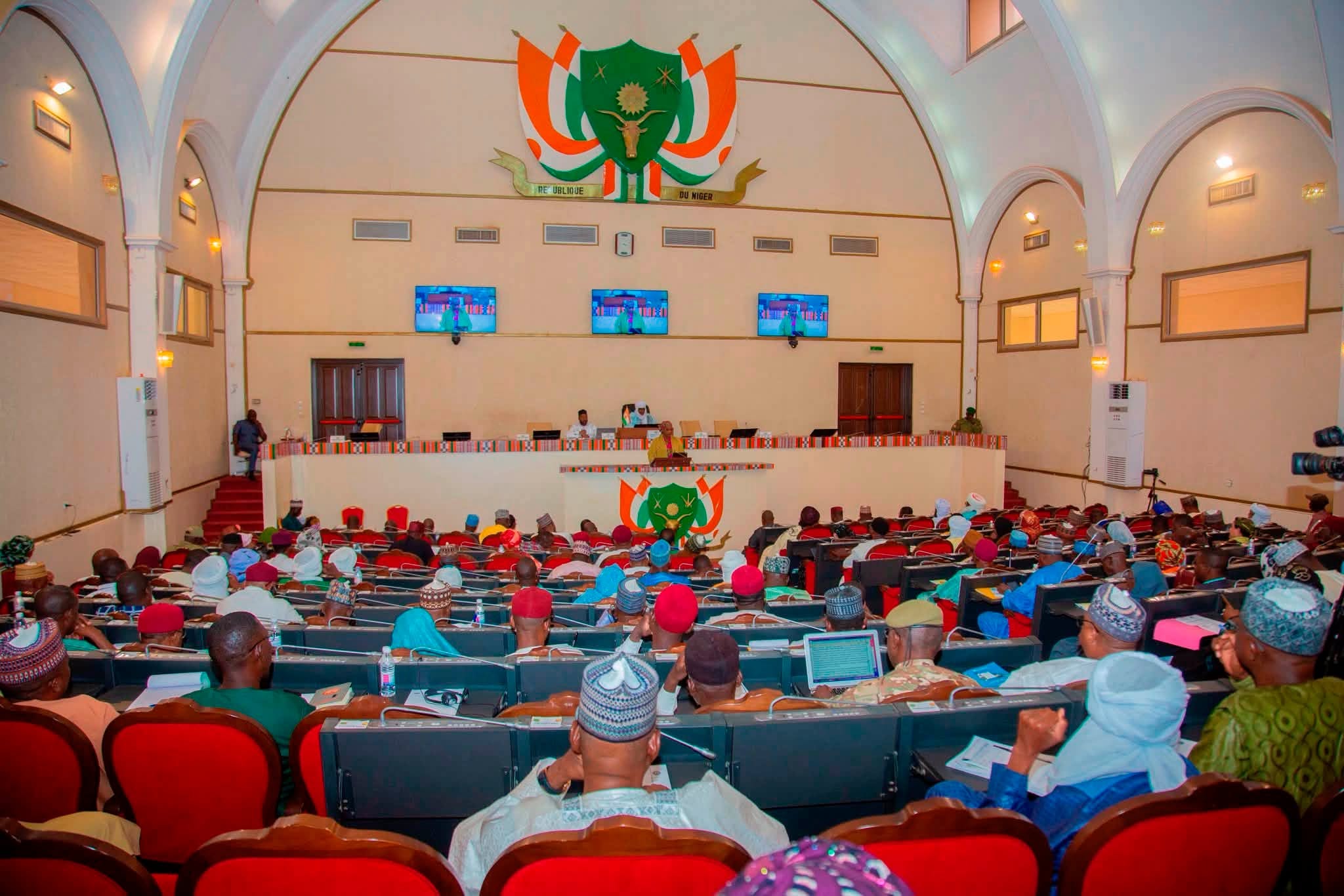
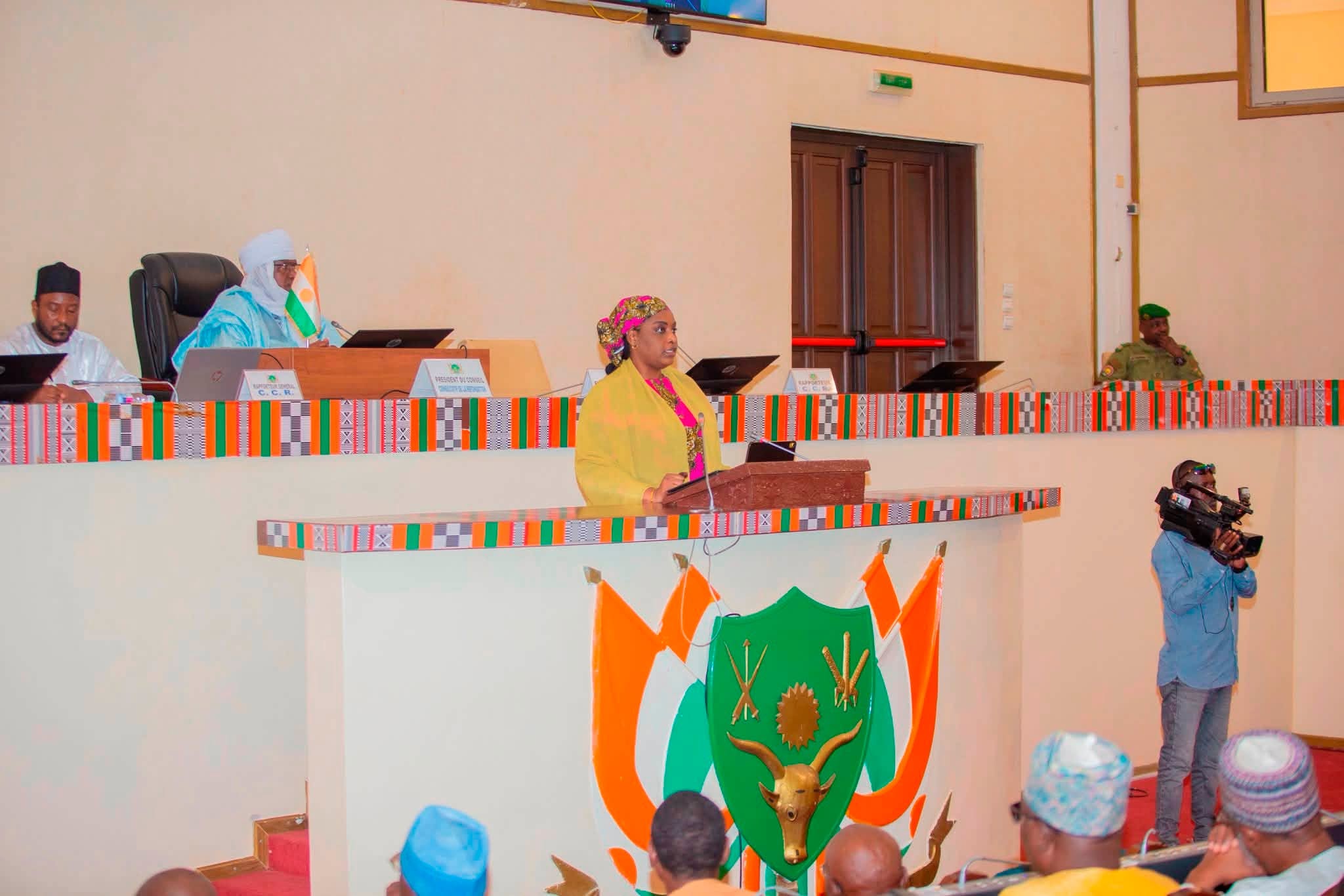
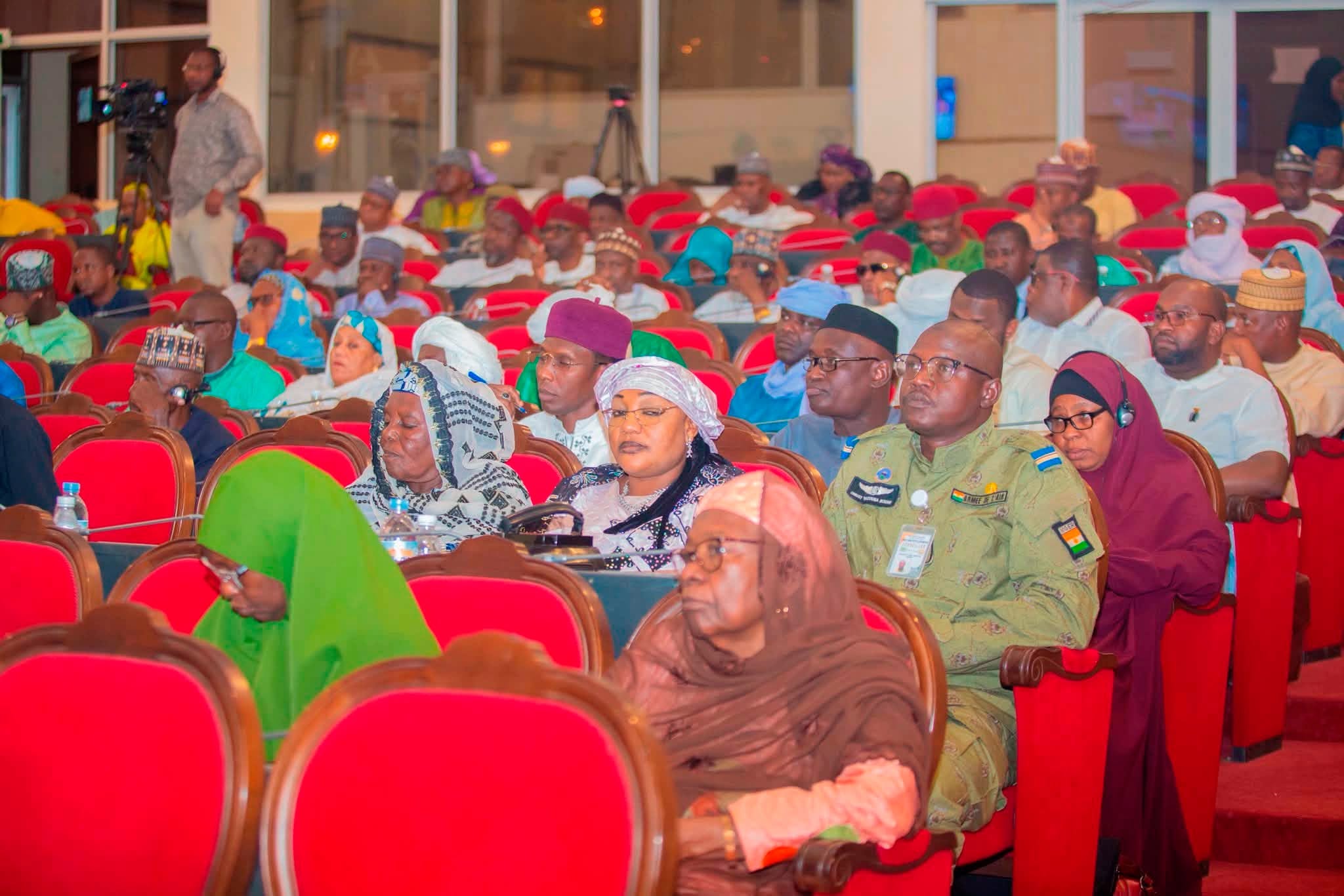
NIAMEY – Significant progress marks the ongoing public administration reform in Niger. During its first ordinary session of 2026, the Consultative Council for the Refoundation (CCR) dedicated extensive discussions to the transformative initiatives impacting state human resource management. Aïssatou Abdoulaye Tondi, the Minister of Public Service, Labor, and Employment, presented a comprehensive update on the key reforms spearheaded by her ministry.
Under the chairmanship of Dr. Mamoudou Harouna Djingarey, the Council members reviewed presentations detailing projects aimed at fostering a more effective, equitable, and modernized Nigerien administration, aligning with the nation’s Refoundation objectives.
A comprehensive overhaul of public administration
During the discussions, the Minister elaborated on the measures undertaken to restructure the state’s employee management system. These reforms encompass the harmonization of the public service, optimization of human resource management, modernization of administrative services, and the implementation of national policies related to labor and employment.
These strategic directions reflect the government’s commitment to building an administration that can more effectively meet citizen expectations while ensuring enhanced governance of human capital.
Digital transformation at the core
A pivotal aspect of this reform centers on the digitalization of administrative processes. The Minister highlighted the advancements made in deploying the Integrated State Human Resources and Payroll Management System (SIGRHEP), a crucial tool designed to centralize and secure the administrative management of public agents.
Initial results demonstrate substantial progress. To date, over 16,500 agent files have been successfully digitized, and 23,000 files have undergone essential updates. Concurrently, several specialized applications have been developed to boost the efficiency of administrative services.
Ultimately, SIGRHEP is projected to manage the integrated human resources and payroll for nearly 200,000 public agents. The system will also support the work of at least 150 human resources and payroll managers stationed across the entire national territory.
Statutory reforms and performance tools
Beyond the digital initiatives, the ministry also reviewed several institutional reforms implemented in recent months. Key advancements include the adoption of new legislation governing the general statute of the public service, the introduction of individual performance evaluation mechanisms, and the execution of a strategy for redeploying state agents to areas affected by post-crisis situations.
The ministerial department has consistently organized professional examinations, managed direct recruitments, and overseen the administrative careers of thousands of civil servants.
The Council addresses reform challenges
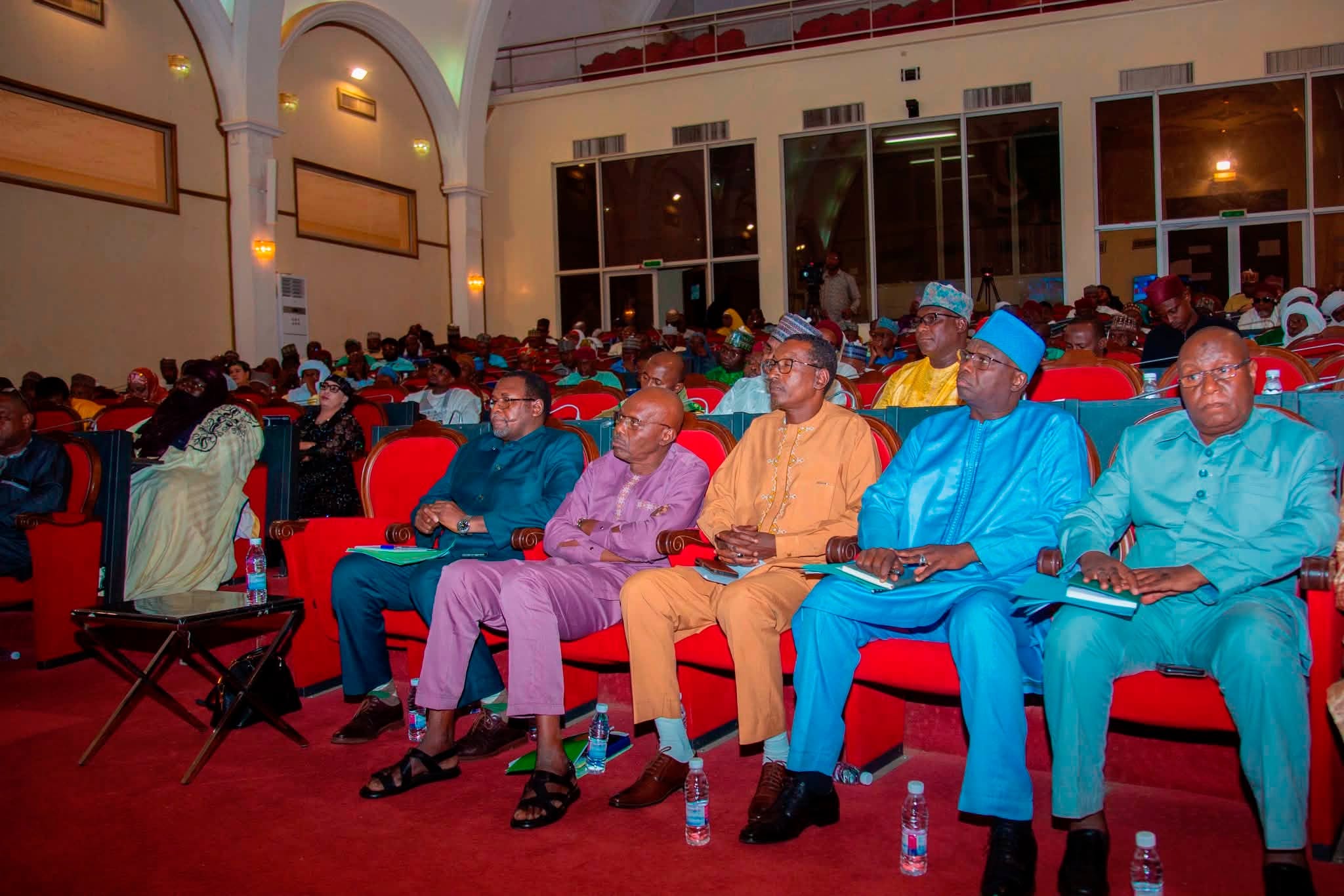
The various presentations prompted dynamic discussions between the members of the Consultative Council for the Refoundation and government representatives. Debates primarily focused on the obstacles inherent in administrative modernization, human resource management, and the enhancement of employment policies.
Following this working session, the Council members unanimously adopted a motion of commendation for the government officials who presented the reform progress reports.
Through these multifaceted initiatives, Nigerien authorities aim to leverage administrative modernization as a vital catalyst for improving the caliber of public services, strengthening state effectiveness, and supporting the overarching goals set within the framework of the National Refoundation.
World Vision Tchad’s Ambitious Plan to Transform 3.29 Million Lives by 2030 N’Djamena – World Vision Tchad has rolled out its groundbreaking five-year strategy (2026-2030) designed to uplift the lives of 3.29 million children across the country, with a special focus on 3.09 million of the most vulnerable. Unveiled during a high-profile press conference in […]
The summer transfer window has seen its fair share of surprises, but one saga appears to have reached its conclusion: Michael Olise will remain at Bayern Munich for the upcoming season. The French playmaker, currently shining at the World Cup with the national team, had been a prime target for Paris Saint-Germain as they sought […]
Two absences, two silences, and one question that keeps gaining ground: what is genuinely unfolding at the summit of the Nigerien state? Moussa Kaka has not appeared publicly since 31 August. A prominent figure in the Nigerien press and a correspondent for international outlets, he is said to have left the premises of Radio-télévision Saraounia […]