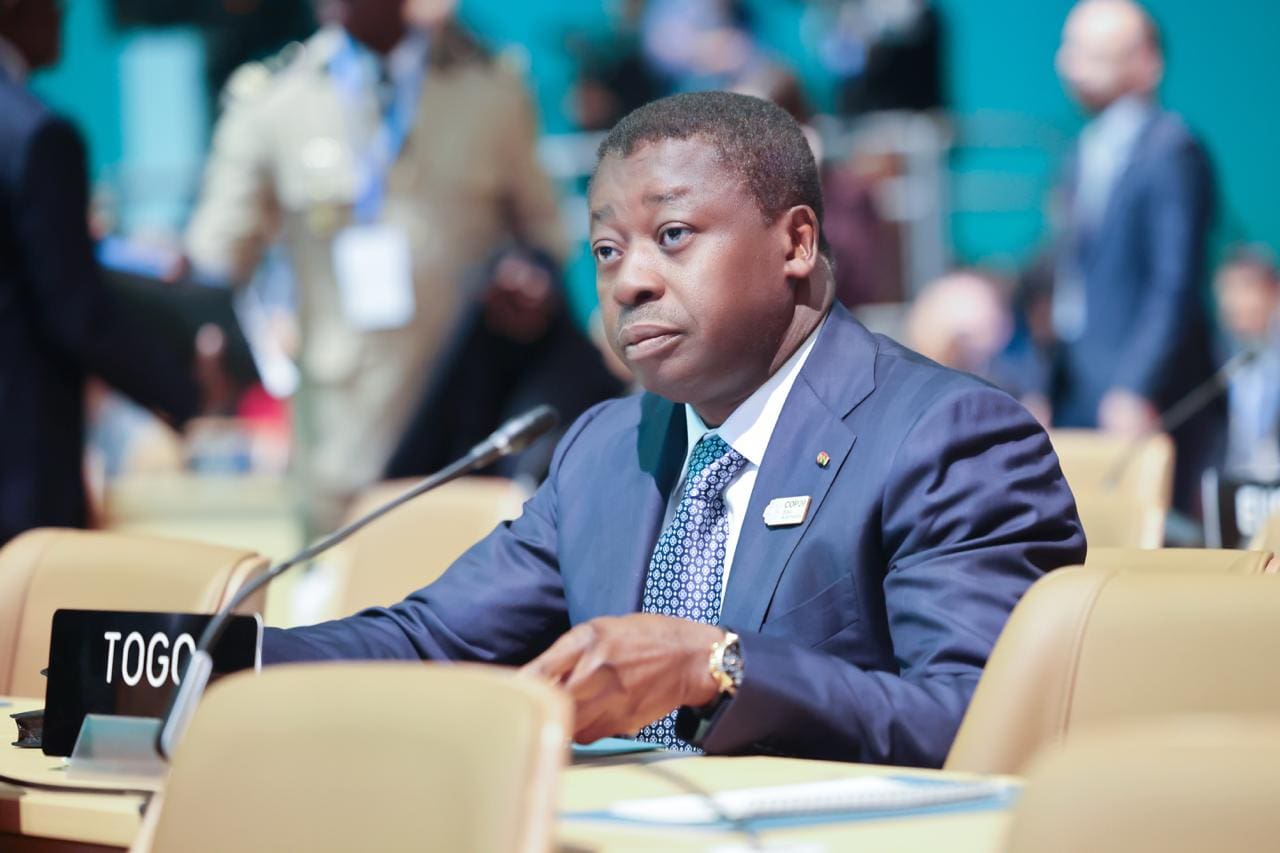
Faure Gnassingbé’s attendance at the World Nuclear Symposium in London comes at a time when atomic power is regaining prominence in international energy strategies. For Togo, the objective is not to rush into building a reactor, but to establish an early presence in a sector undergoing massive transformations across regulations, cutting-edge technologies, and financing models.
Navigating the global atomic revival
Convened under the banner “From Ambition to Action,” global dignitaries, industrial leaders, financiers, and technical experts gathered to discuss methods for accelerating nuclear deployment. The collective international push to triple atomic generation capacity by 2050 gives this gathering considerable weight.
For Lomé, this momentum primarily serves as a forum for strategic dialogue. The participation of the Togolese leader offers an opportunity to cultivate partnerships, gain clearer insights into the technical benchmarks of the industry, and assess the necessary conditions to potentially incorporate atomic power into future national energy planning.
Building blocks for sustained energy independence
This diplomatic approach aligns with Togo’s current efforts to expand its power mix and guarantee resilient electricity access nationwide. Within this framework, civil nuclear technology emerges as an option worth evaluating alongside other sources capable of safeguarding the country’s energy security.
Nevertheless, deploying nuclear infrastructure extends beyond generation capacity. The development of an atomic program demands durable institutional oversight, stringent safety regulations, specialized domestic expertise, and substantial financial resources. Togo seeks to steadily develop these fundamentals through its ongoing engagement in major international forums.
Strengthening African civil nuclear discussions
Holding a seat on the Board of Governors of the International Atomic Energy Agency, Togo intends to amplify its voice in continental dialogues regarding civil nuclear energy. The country’s planned involvement in NEISA 2026 in Kigali reflects this continuous strategy.
During the meetings in London, Togo did not commit to an immediate nuclear roadmap. Instead, the focus remains on understanding industry developments, consulting pivotal stakeholders, and creating the necessary prerequisites to eventually determine its energy destiny from an informed standpoint.