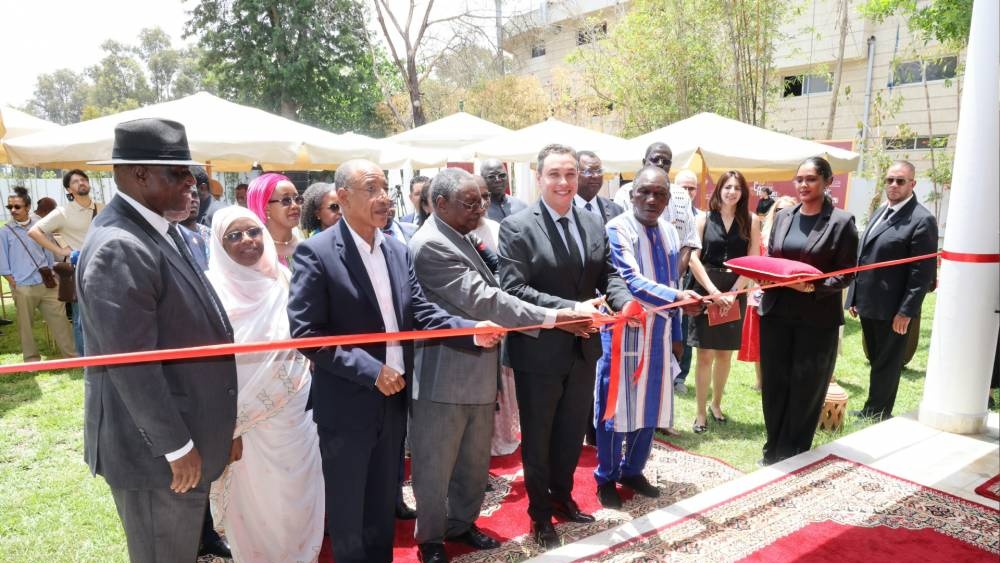
The inauguration ceremony of the African Capitals of Culture (ACC) headquarters took place in Rabat today, drawing cultural and diplomatic figures from across the continent and beyond.
The newly established headquarters, designed to serve as a hub for cultural exchange and creative collaboration, was officially unveiled in the presence of government officials, artists, and international observers. The event marks a significant milestone for the ACC initiative, which aims to promote cultural diversity and strengthen ties between African nations through artistic expression.
a landmark moment for African cultural diplomacy
During the inauguration, speakers highlighted the importance of this initiative in fostering unity and preserving Africa’s rich heritage. The ACC headquarters will not only serve as a meeting point for cultural leaders but also as a platform for organizing events, exhibitions, and workshops that celebrate Africa’s creative industries.
The building’s modern architecture, blending traditional Moroccan design elements with contemporary aesthetics, reflects the vision behind the ACC project. Located in the heart of Rabat, the headquarters is expected to become a new landmark in the city, attracting visitors and cultural enthusiasts.
key features of the new headquarters
The ACC headquarters includes state-of-the-art facilities to support cultural programming, including:
- A main auditorium for performances and conferences
- Exhibition spaces for visual arts and installations
- Rehearsal studios for musicians and artists
- A library and resource center dedicated to African art and culture
- Administrative offices for the ACC secretariat
These facilities are designed to accommodate artists, curators, and cultural professionals from all African countries, providing them with the tools needed to develop and showcase their work.
next steps for the african capitals of culture initiative
The ACC initiative, launched to designate a rotating African capital of culture each year, has already seen successful editions in cities such as Algiers and Libreville. The Rabat headquarters will now serve as the administrative and operational center for this initiative, ensuring continuity and long-term planning.
Looking ahead, the ACC secretariat plans to expand its programs, including artist residencies, cultural exchanges, and community engagement projects. The goal is to make culture a driving force for development and social cohesion across the continent.