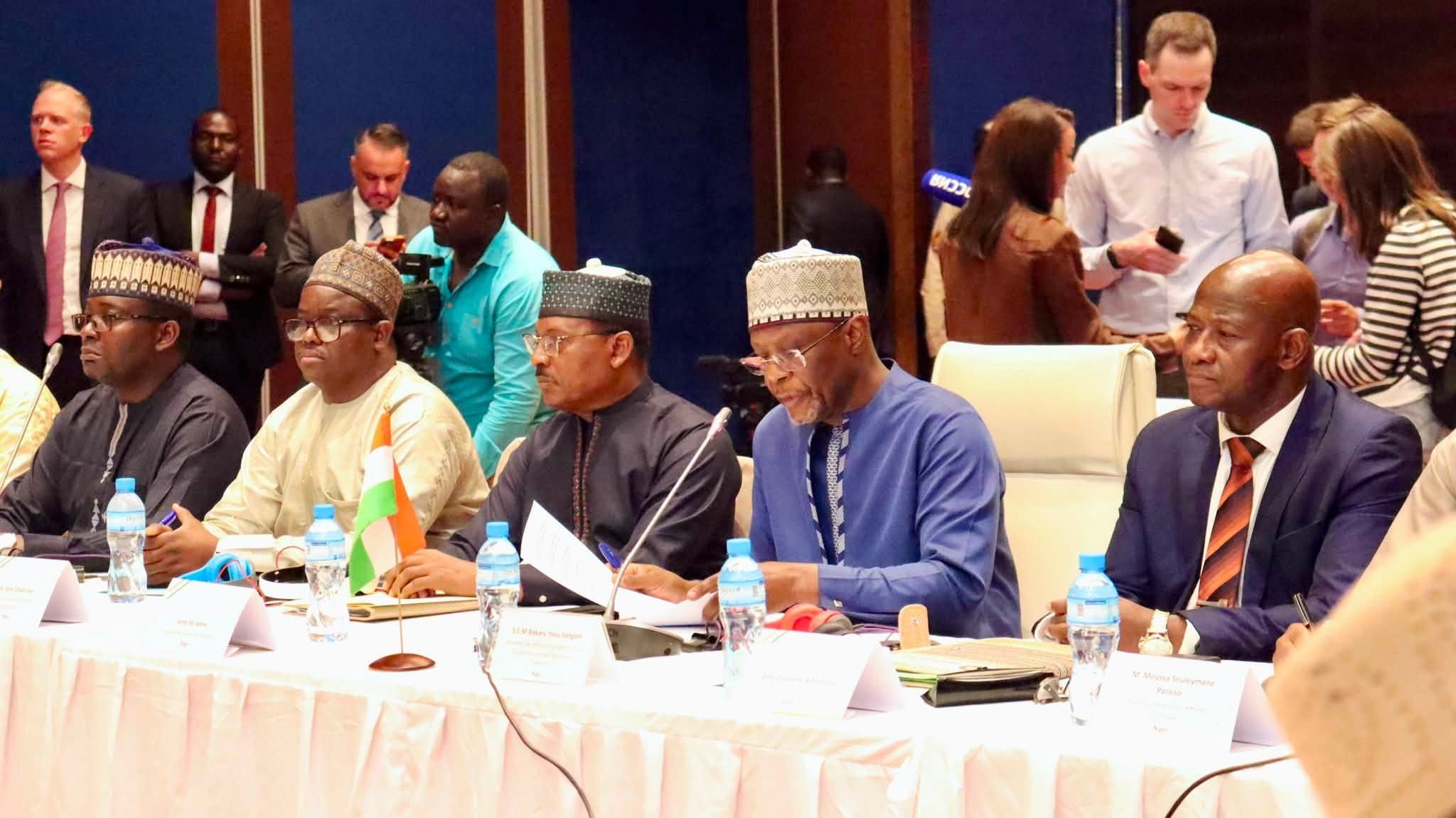
From promises to peril: tracking the AES-Russia security pact
The Alliance of Sahel States (AES)—comprising Mali, Burkina Faso and Niger—has doubled down on its exclusive military partnership with Russia, framing it as a bold step toward sovereignty and an end to reliance on Western powers. Yet beneath the rhetoric of liberation lies a grim reality: the alliance has failed to curb the escalating violence that continues to devastate civilian lives across the region.
Security gains elusive despite expanded military support
The central justification for severing ties with former Western partners was the promise of faster, more effective action against armed groups. Years into this strategic shift, however, the results remain disappointing. Despite the influx of Russian military hardware, drones and training, attacks by jihadist factions persist unabated. Military outposts are frequently overrun, villages live under constant threat and displacement figures continue to climb. According to the Armed Conflict Location & Event Data Project (ACLED), over 10,000 people were killed in political violence across the three countries in 2025 alone—a stark reminder that the Sahel remains one of the world’s most violent conflict zones.
Humanitarian fallout deepens with each attack
The human cost of this ongoing crisis is mounting. The UN refugee agency reports that more than five million people have been forcibly displaced across the Sahel, uprooted by relentless insecurity. Schools close in droves, robbing a generation of education, while access to medical care in high-risk zones becomes increasingly scarce. Every new assault triggers fresh waves of displacement, abandoned settlements and paralyzed local economies. Entire communities are left to grapple with the aftermath of violence, their futures hanging in the balance.
Economic strain grows as war drains public resources
Beyond the toll on lives and livelihoods, the conflict exacts a severe financial price. Military budgets swell, arms purchases surge and security spending consumes a growing share of national revenues. Meanwhile, critical sectors such as healthcare, education, agriculture and infrastructure face chronic underfunding. The longer the war drags on, the more governments are forced to choose between sustaining military operations and investing in long-term solutions that could address the root causes of insecurity.
Strategic dependency on Moscow intensifies
One unintended consequence of this exclusive alliance is the deepening dependence it fosters. As violence escalates, governments find themselves compelled to seek greater military assistance, more equipment and expanded cooperation from their Russian partners. This cycle raises a critical question: can a strategy that increasingly relies on external support truly be hailed as a restoration of national sovereignty?
Moscow’s expanding footprint in the Sahel
For Russia, the alliance represents more than a military arrangement—it is a geopolitical opportunity. Each new security agreement strengthens Moscow’s diplomatic influence across Africa. Arms deliveries solidify its strategic presence, while security partnerships expand its network of alliances in a region rich in strategic minerals, including gold and uranium. Beyond the battlefield, Russia is also gaining ground in political, economic and informational spheres, positioning the Sahel as a cornerstone of its broader African strategy.
A political victory, but not a military one?
The juntas that seized power in Mali, Burkina Faso and Niger justified their pivot toward Moscow as the key to swiftly restoring peace and stability. Yet years later, the humanitarian toll remains devastating. Attacks continue unabated, civilians live under perpetual threat and displacement shows no signs of slowing. While the Russian partnership cannot be solely blamed for the region’s security woes—given the conflict’s deep-seated political, economic and communal roots—its inability to deliver tangible security improvements raises serious doubts about its claimed effectiveness.
As violence persists, the true victims are the people of the Sahel. While families mourn their dead, villages empty out and millions flee their homes, Moscow’s strategic influence in the region grows ever stronger. The paradox is unmistakable: the longer the conflict festers, the more indispensable Russia becomes to the ruling juntas—even as concrete benefits for ordinary citizens remain conspicuously absent.