
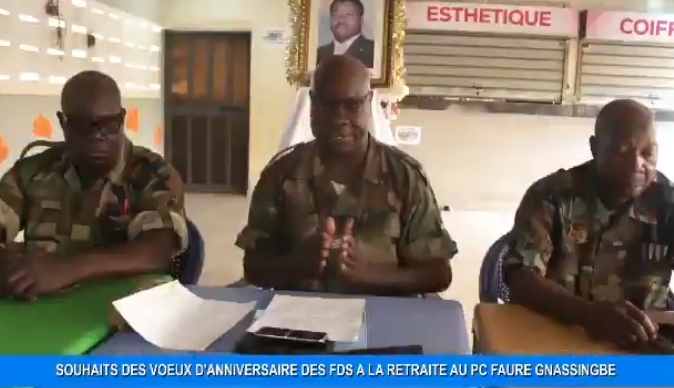
The political landscape in Togo has grown increasingly volatile, with recent declarations from groups identified as militias or paramilitary loyalists sparking sharp reactions from civil society and the opposition. Audio recordings and social media posts reveal individuals pledging to « defend the Gnassingbé family’s rule at all costs, » even in the face of widespread popular dissent.
Loyalist rhetoric that defies republican principles
These statements stand out for their blatant disregard of the state’s duty of neutrality. By framing their security roles around preserving a presidential dynasty rather than upholding the Constitution or republican institutions, these actors adopt a « praetorian guard » mentality.
A recurring phrase in their discourse—« If the people reject them, we will fight to the end »—has raised alarms. Analysts view this as an overt attempt to intimidate those advocating for political change. The emergence of such rhetoric also raises concerns about the existence of unofficial armed structures or radicalized factions within informal security networks.
Civil society and opposition sound the alarm
Human rights organizations and opposition leaders warn that these declarations should not be dismissed as mere posturing. They evoke painful memories of past political crises in Togo, often marred by violence and repression.
Threat to democratic progress: Opposition figures argue that these statements aim to instill fear, deterring peaceful public mobilization and stifling dissent.
Call for state accountability: Multiple civic groups are urging government authorities and the official military command to publicly distance themselves from these elements and firmly condemn such inflammatory rhetoric.
The neutrality of defense forces under scrutiny
In political journalism, distinguishing between official state structures and the zealous actions of pressure groups or private militias is crucial. While Togo’s regular army has long been a cornerstone of political power, the public emergence of groups claiming to serve as a « last-line defense » outside official channels suggests a troubling trend toward the privatization of legitimate force.
To date, no official response has been issued regarding these specific declarations. Authorities continue to emphasize institutional stability and national security amid regional challenges, maintaining a stance of restraint.
Outlook: a defining test for political dialogue
As the country grapples with a complex post-constitutional reality, the handling of this ultra-loyalist rhetoric will reveal whether the government in Lomé seeks to foster peaceful political engagement or leans toward confrontation.