Gabon: a new era of presidential accountability begins
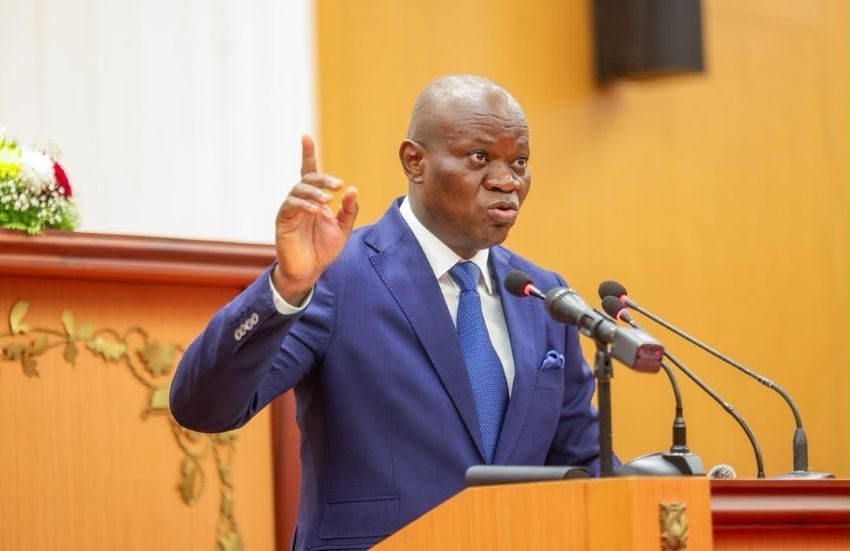
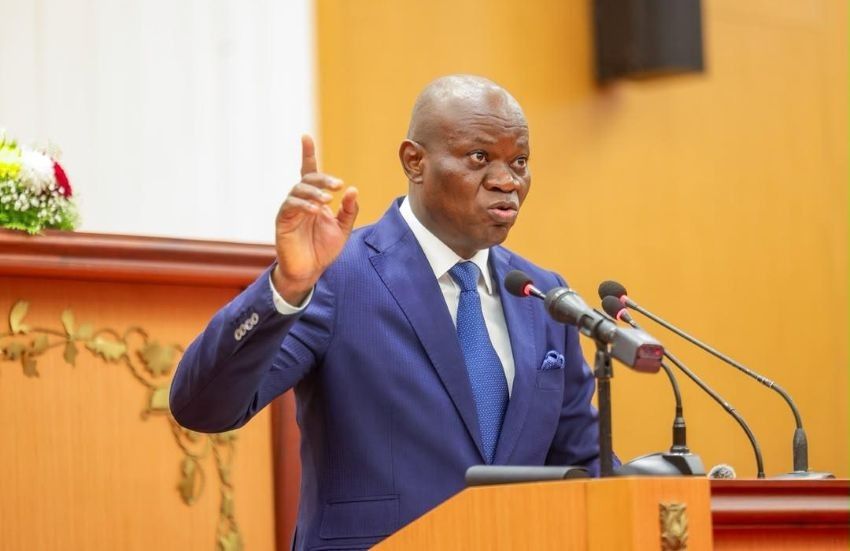
Libreville, June 16, 2026 – June 15, 2026, will be remembered as a turning point in Gabon’s political history. For the first time since the Fifth Republic’s Constitution came into force, President Brice Clotaire Oligui Nguema addressed the Nation in a joint session of Parliament at the Léon Mba Palace. This historic moment signals the dawn of a new political culture built on accountability, transparency, and democratic consolidation.
In a country where the executive branch traditionally held unchecked authority over representative institutions, this annual address marks a profound shift. The Head of State is no longer merely governing—he must now provide a public account of his actions. This constitutional obligation reshapes the dynamics of power and firmly places Parliament at the core of the republic’s functioning.
Institutional reforms redefine governance
The Fifth Republic’s defining innovation is the introduction of an annual State of the Nation Congress. Mandated by Article 59 of the Constitution, adopted following the Inclusive National Dialogue, this mechanism requires the president to present an annual report on achievements and future plans to the people’s representatives.
This provision transcends symbolic gestures. It establishes a permanent institutional dialogue between the Executive and Legislative branches. In modern democracies, legitimacy is no longer solely derived from elections—it also depends on leaders’ ability to justify their decisions and take responsibility for outcomes.
The choice of the Léon Mba Palace as the venue for the Congress underscores this transformation. For decades, political life revolved around the Palais du Bord de Mer. Today, the national representation becomes the stage for presidential discourse. This institutional shift reflects a clear intent to rebalance power structures and amplify Parliament’s role in public life.
An ambitious agenda for national transformation
In his address to lawmakers, President Oligui Nguema outlined a bold vision of progress since August 2023. His speech centered on a single message: Gabon has entered a phase of accelerated reconstruction aimed at restoring state authority, modernizing the economy, and improving living conditions.
Social initiatives took center stage. A fourth CNAMGS fund was created for informal sector workers, 3,100 social housing units were commissioned for civil servants, and the third phase of back pay for public employees—totaling 35 billion CFA francs—was disbursed. Additionally, 10 billion CFA francs were reimbursed to Post Office depositors.
The president also highlighted the regularization of over 60,000 administrative situations and the creation of 22,000 private-sector jobs. These measures reflect a commitment to addressing social expectations while rebuilding trust between citizens and public administration.
On the economic front, the discourse emphasized national sovereignty. The strategic acquisition of oil assets such as Assala and Tullow Oil, alongside new drilling initiatives, signals a push to better control the country’s resources. In transportation, the expansion of Fly Gabon, procurement of urban buses, and rehabilitation of the railway network are part of a broader modernization strategy.
A new social contract for Gabon
Beyond statistics and accomplishments, the address signaled a broader political vision. President Oligui Nguema is seeking to establish a new social contract between the State and its citizens—one rooted in responsibility, efficiency, and participation.
The planned reforms in water and electricity sectors exemplify this drive to tackle long-standing structural failures that impact daily life. Investments in public infrastructure, youth empowerment programs like Taxi Gab, and the strengthening of Gabonese diplomacy further demonstrate a comprehensive strategy to reposition the country on the continental stage.
This first State of the Nation address arrives at a time when many African nations are striving to strengthen institutions while meeting development demands. By institutionalizing annual reporting, Gabon’s Fifth Republic is pioneering a practice rarely seen across the continent.
The true test, however, lies not in the eloquence of the speech but in the institutions’ ability to sustain this culture of accountability over time. Because a democracy is built not on promises, but on the consistency of reporting and the coherence of results.
On June 15, 2026, in Libreville, President Oligui Nguema did more than deliver a report. He inaugurated a republican ritual destined to become a hallmark of Gabon’s new political architecture. For Gabon, the challenge now is to prove that the Fifth Republic can transform the exercise of power into a lasting commitment to the Nation.