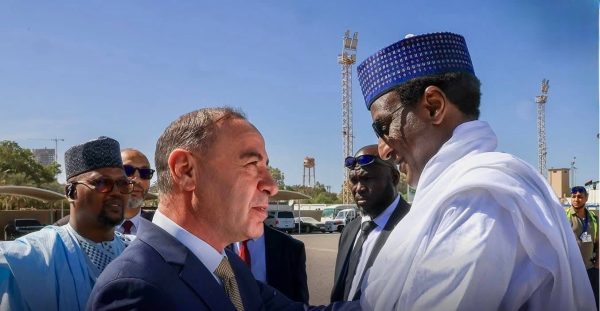
At the helm of a high-level government delegation, Niger’s Prime Minister Ali Mahamane Lamine Zeine arrived in Tripoli on Monday, June 15, 2026, for an official visit aimed at deepening the bonds between Niger and Libya. The Prime Minister was accorded a ceremonial welcome by his Libyan counterpart, Abdel Hamid Dbeibah, featuring the national anthems and a military honors display.
High-stakes bilateral talks center on security and economic integration
The two leaders first engaged in a private meeting, focusing on strengthening bilateral cooperation. Key topics included regional peace, security challenges, cross-border economic integration, and development initiatives—critical areas for neighboring nations facing shared threats such as armed groups and migration pressures.
Following this one-on-one discussion, the delegations from both countries joined the talks. Officials reviewed multiple cooperation frameworks, addressing both bilateral and regional issues requiring closer coordination. The visit underscores a commitment to turning political agreements into actionable, on-the-ground projects.
A robust Nigerien delegation: Security and diplomacy in focus
Prime Minister Zeine was accompanied by a powerful delegation, including Brigadier General Ibro Amadou Bacharou of the National Council for the Safeguard of the Homeland (CNSP) and Foreign Minister Bakary Yaou Sangaré. Their presence highlights the strategic importance Niamey places on the visit, particularly in security and diplomatic spheres.
Both governments emphasize that this visit reinforces the long-standing ties of friendship and solidarity between Niger and Libya. It signals a shared determination to build a stronger, more resilient partnership capable of addressing pressing regional challenges—such as border stability, countering armed factions, and managing migration flows.
Administrative modernization takes center stage
Alongside the high-level meetings, Niger’s Ministry of Mines organized a specialized training session for Libyan officials. Led by the ministry’s Secretary-General, Yaou Fatimata Korgom, the program focuses on enhancing administrative and managerial skills to boost operational efficiency, team leadership, and performance-driven governance. This technical initiative reflects Niger‘s broader focus on improving governance in critical economic sectors.
For the people of both nations, these discussions hold the potential for tangible outcomes: fortified border security, joint economic ventures, more effective migration management, and collaborative resource governance. The challenge now lies in translating these commitments into binding agreements and ensuring their effective implementation.