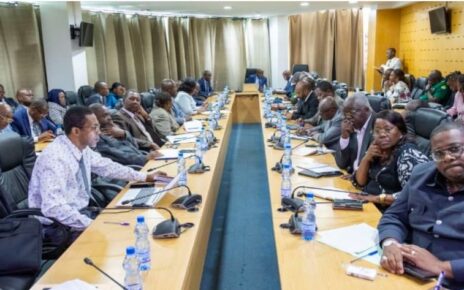
In a decisive move to bolster food sovereignty, the Bénin government has accelerated its agricultural transformation agenda, leaving no room for hesitation. The Minister of Agriculture, Livestock, and Fisheries, Adin Yeton Bloukounon Goubalan, recently completed a three-day nationwide tour, reinforcing the executive’s commitment to ending raw material exports and prioritizing domestic processing to secure food supplies and spur economic growth.
From June 11 to 13, the minister engaged with key agricultural hubs across the country, including Paouignan, Glazoué, and Parakou. The mission was clear: ensure that the President’s vision—eliminating raw material exports in favor of industrial processing—becomes operational reality. The urgency is palpable, as the government races to modernize agriculture before climate and logistical challenges derail progress.
Rice and cassava: the pillars of food independence
One of the most encouraging developments comes from the rice sector. In Glazoué, Premium Group, a leading agro-industrial player, announced a major expansion of its rice processing operations. A third processing unit is under construction in Dangbo, set to boost the group’s annual capacity from 300,000 to 500,000 tonnes. This leap forward will significantly reduce Bénin’s reliance on rice imports from Asia, a critical step toward self-sufficiency.
Meanwhile, in Paouignan, the spotlight is on cassava—the country’s “white gold.” A new local processing plant nearing completion will churn out gari, tapioca, and most notably, bread flour. This innovation addresses wheat import dependency while introducing a groundbreaking shared management model between private investors and local producer cooperatives. The goal? To ensure fair profit distribution and stabilize rural employment.
Cashew nuts: cracking down on smuggling
Not all news is positive. While processing capacity grows, raw material shortages threaten progress. In the cashew sector, local processors warn of a severe crisis: the illicit export of raw cashew nuts to neighboring countries is bleeding the domestic industry dry. Minister Goubalan has taken a hardline stance, vowing to tighten border controls and prioritize raw material allocation to national factories. The message is unambiguous: exporting raw cashews is tantamount to exporting Bénin’s youth employment opportunities.
Cotton: a 700,000-tonne revival with financial incentives
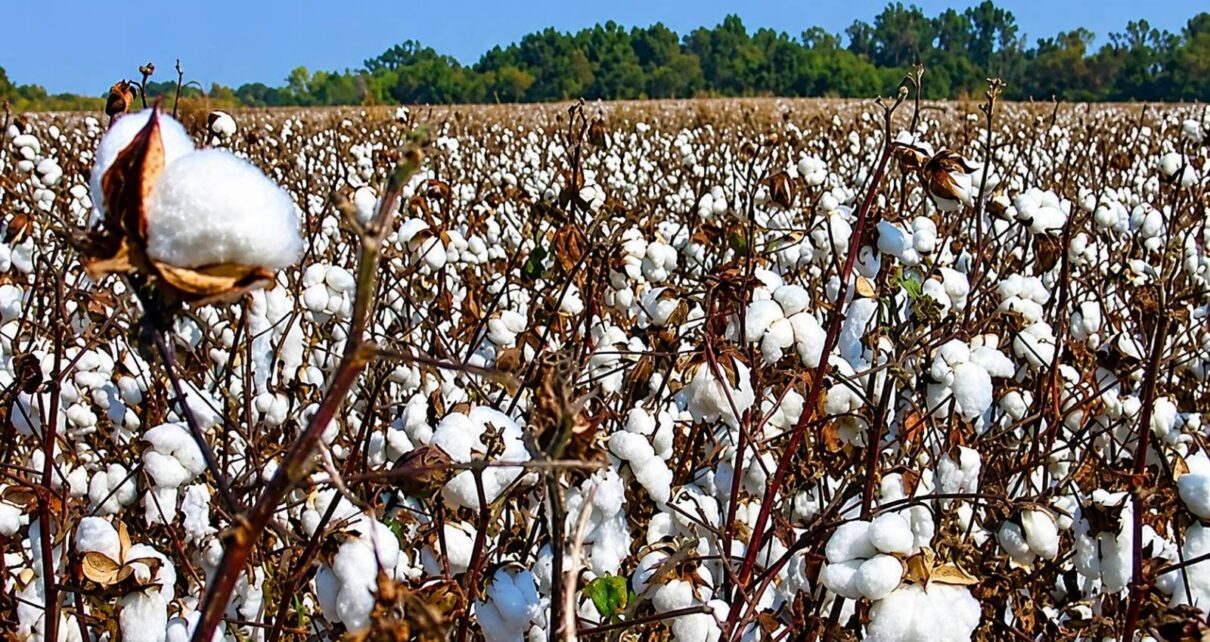
The government’s final stop was the most sensitive agricultural sector in Bénin: cotton. After three consecutive seasons of declining output, officials are determined to reverse the trend. The target for the 2026-2027 campaign is set at 700,000 tonnes—a bold ambition for a crop plagued by input cost inflation and producer fatigue.
To reignite motivation and protect farmer purchasing power, the Head of State has introduced a 10 FCFA per kilogram premium for cotton produced once the 700,000-tonne threshold is met. This financial incentive aims to offset rising production costs and restore confidence in the sector, signaling a new era of resilience in Bénin’s agricultural economy.
Between stringent anti-smuggling measures, producer bonuses, and large-scale industrial projects, Bénin is charting a course toward agricultural self-reliance. The remaining hurdles are logistical and climatic, but political will—firmly anchored in vision and action—has never been stronger.