The eastern Democratic Republic of Congo (DRC) remains a hotspot of instability as fresh evidence confirms continued Rwandan military involvement alongside the M23 rebel alliance. According to a United Nations expert panel report, over 10,000 Rwandan Defence Forces (RDF) personnel are actively engaged in combat operations and logistical support for the Alliance of the Congo River (AFC)/M23, with no signs of withdrawal.
Military escalation and strategic coordination
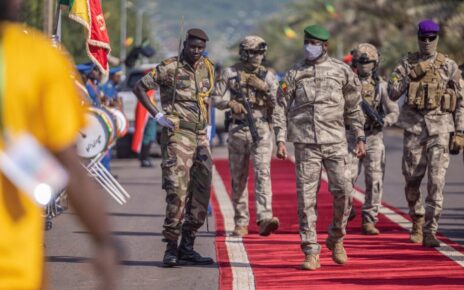
The 8 May 2026 UN Group of Experts report, reviewed by the Security Council on 5 June 2026, documents sustained RDF deployments across North Kivu and South Kivu provinces. These forces are not only reinforcing M23 positions but also conducting independent operations under sophisticated military frameworks. The report highlights the use of advanced technology, including electronic warfare systems, unmanned aerial vehicles (drones), and specialized commando units from bases such as Bigogwe, Rubavu, and Cyangugu.
Key findings include:
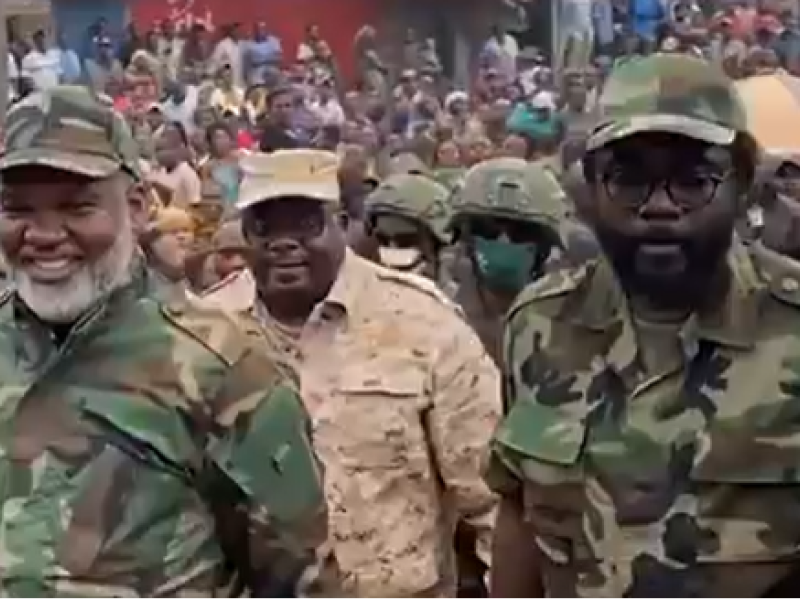
- Integration of RDF personnel within mixed battalions alongside M23 fighters, with recent cases of uniform swapping to obscure troop movements;
- Night-time troop movements to avoid detection, particularly in areas with no reported presence of rival Democratic Forces for the Liberation of Rwanda (FDLR);
- Strategic positioning and offensive support enabling M23 to open operational corridors and consolidate territorial control.
Contradicting narratives and international responses
The UN report challenges Rwanda’s long-standing justification for intervention—legitimate self-defense against FDLR threats. Observations of RDF activity in FDLR-free zones, such as Uvira, undermine this claim. Meanwhile, diplomatic initiatives such as the Washington Agreement, Doha Process, and Montreux talks have failed to yield progress. Tensions between Kinshasa and Kigali persist, with each party interpreting the Washington Agreement differently, and broader geopolitical shifts further delaying peace efforts.
Humanitarian and security fallout
The continued military backing of the M23 by Rwanda has exacerbated insecurity in eastern DRC. The UN has previously identified the AFC/M23 as the primary perpetrator of human rights violations in the region. Despite international condemnation and calls for sanctions, the situation shows no signs of abating, with civilians bearing the brunt of ongoing violence and displacement.
The international community faces mounting pressure to enforce accountability and push for a genuine withdrawal of foreign troops. Without decisive action, the cycle of instability in eastern DRC is likely to deepen, with regional and global implications.