security groups in central african republic Wagner vs africa corps dilemma
The Central African Republic (CAR) currently faces a critical decision: entrust its stability to the Wagner Group or the newly formed Africa Corps. Both entities offer a grim equation for civilians—equal levels of violence, crimes, and massacres, with only the payment structure differing. As the debate intensifies, the implications for the population hang in the balance.
what sets Wagner and africa corps apart?
Following the death of Evgeny Prigozhin in 2025, the Africa Corps emerged as Wagner’s successor in regions like Mali. However, early expectations of change quickly faded. Civilians in conflict zones report that the modus operandi remains disturbingly identical. “It’s the same men, paid by the government, continuing the massacres. There’s no difference between Wagner and Africa Corps,” stated a Malian village leader who fled the violence.
The primary distinction lies in command structure. Unlike Wagner, which operated with relative autonomy, the Africa Corps falls directly under Russia’s Ministry of Defense. This shift theoretically holds Moscow accountable for war crimes committed by its forces—a point emphasized by experts consulting with Associated Press.
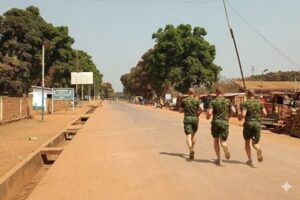
Despite this structural change, the Africa Corps remains shrouded in secrecy. Analysts estimate its ranks at approximately 2,000 fighters in Mali, with a mix of Russian and foreign recruits. Reports from the European Council on Foreign Relations suggest recruitment extends beyond Russia’s borders, drawing from Belarus and multiple African nations.
testimonies from Mali reveal a grim forecast for the car
Refugees from Mali, now sheltering in Mauritania, have shared harrowing accounts of their experiences with the Africa Corps. Their stories paint a bleak picture of what awaits the Central African population if this group establishes a permanent presence. Thirty-four refugees spoke anonymously to Associated Press, fearing retaliation even in exile. Their narratives include indiscriminate killings, abductions, and repeated sexual violence.
Fatma, clutching a photo of her deceased daughter, recounted how “white men” raided her village of Kurmare. They stole jewelry, shot men, and left her daughter—already unconscious from a medical episode—dead. “I look alive, but I’m not,” she confessed.
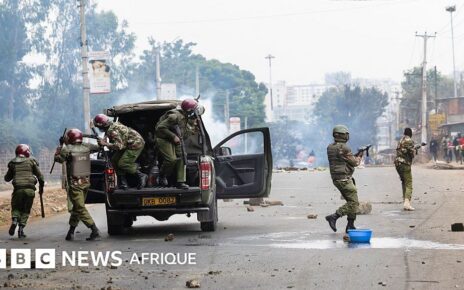
Mougaloa, a Fulani herder, is still searching for her missing daughter. She witnessed her 20-year-old son, Koubadi, beaten and slaughtered before her eyes. The Fulani community, often suspected of links to jihadist groups, has borne the brunt of these operations. “If you don’t tell the army you’ve seen jihadists, they’ll kill you. But if you do, the jihadists will kill you,” she explained. Villagers describe a scorched-earth policy where no one is spared—no interrogations, no warnings. “People don’t even know why they’re being killed,” said another escaped villager.
Refugees showed videos of torched villages and uncovered bodies missing livers and kidneys. Social media posts from Wagner members previously displayed similar acts, including footage of civilians being mutilated. Official civilian death tolls attributed to Russian forces have dropped this year (447 vs. 911 in 2024), but experts warn these figures may not reflect the full reality. Fear of retaliation silences many victims. “There’s no doubt countless people are raped, attacked, and killed. Families are torn apart,” noted Sukru Cansizoglu, a UNHCR representative in Mauritania. However, “identifying the perpetrators is often impossible.”
financial motives behind the violence
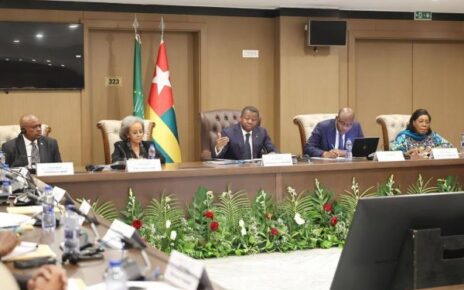
In the CAR, President Faustin-Archange Touadéra favors the Wagner Group, which allegedly funds its operations through the plundering of the country’s resources. Conversely, Moscow advocates for the Africa Corps, demanding a monthly payment of 10 billion CFA francs (approximately $16.7 million). For civilians, the choice is stark: same level of brutality, different funding model.
Whether through Wagner’s resource extraction or the Africa Corps’ direct payments, the Central African population faces a lose-lose scenario. The structural shift to Africa Corps does little to alter the daily reality of civilians caught in the crossfire—only the source of funding changes, not the outcome.
what’s next for the central african republic?
The Central African Republic stands at a crossroads. The decision to align with Wagner or Africa Corps will shape its security landscape for years to come. As refugees from Mali attest, neither option promises safety or justice. The international community watches closely, but for now, the CAR’s future remains uncertain—held hostage by geopolitical calculations and the unrelenting cycle of violence.