
Senegal’s constitutional reform sparks fresh political tensions
The National Assembly in Dakar has unanimously approved a constitutional reform bill, a move that has intensified the already charged political climate. The proposed changes, championed by the Pastef party, aim to strengthen the roles of Parliament and the Prime Minister while redefining the powers of the President. However, critics argue that the reform is designed to benefit Ousmane Sonko, the former Prime Minister now serving as President of the National Assembly, and Bassirou Diomaye Faye, the current head of state.
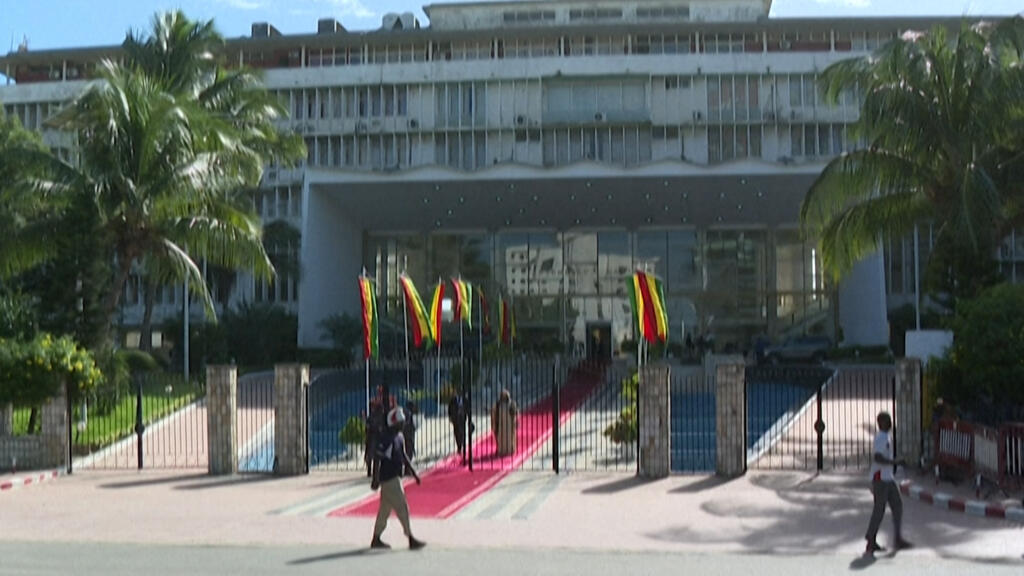
Is this reform truly democratic or a calculated political maneuver? The 129 deputies present in the chamber voted in favor of the bill, but questions linger about its implications. Supporters of the reform argue that it will modernize governance, while opponents warn of a potential power grab. The government has announced plans to submit the changes to a referendum, but the debate is far from settled.
Key provisions of the reform
- Enhanced parliamentary authority: The reform seeks to increase the influence of the National Assembly in legislative and oversight functions.
- Prime Minister’s expanded role: The position would gain more executive power, potentially reshaping the balance of authority.
- Presidential powers redefined: The scope of the President’s powers would be adjusted, raising concerns about executive overreach.
- Referendum proposal: The government intends to let citizens vote on the reform, framing it as a democratic consultation.
Controversy and accusations
Critics, including members of the opposition coalition and some within the ruling party, claim the reform is tailor-made for Ousmane Sonko and President Bassirou Diomaye Faye. They argue that the changes could consolidate power in ways that sidestep democratic norms. The timing of the referendum proposal has only fueled speculation about the government’s intentions.
The debate is not just about legal amendments but about the future of governance in Senegal. Will the reform strengthen democratic institutions or create new vulnerabilities? The answers remain unclear as the political and public discourse intensifies.
What’s next?
The government’s decision to hold a referendum suggests a push for legitimacy, but the outcome is uncertain. Public opinion will play a decisive role in shaping the final version of the constitution. Meanwhile, political factions are mobilizing, with each side presenting its vision for the country’s future.
As Senegal stands at this crossroads, the stakes could not be higher. The reform’s passage through the National Assembly marks only the beginning of a broader confrontation over the nation’s constitutional and political direction.