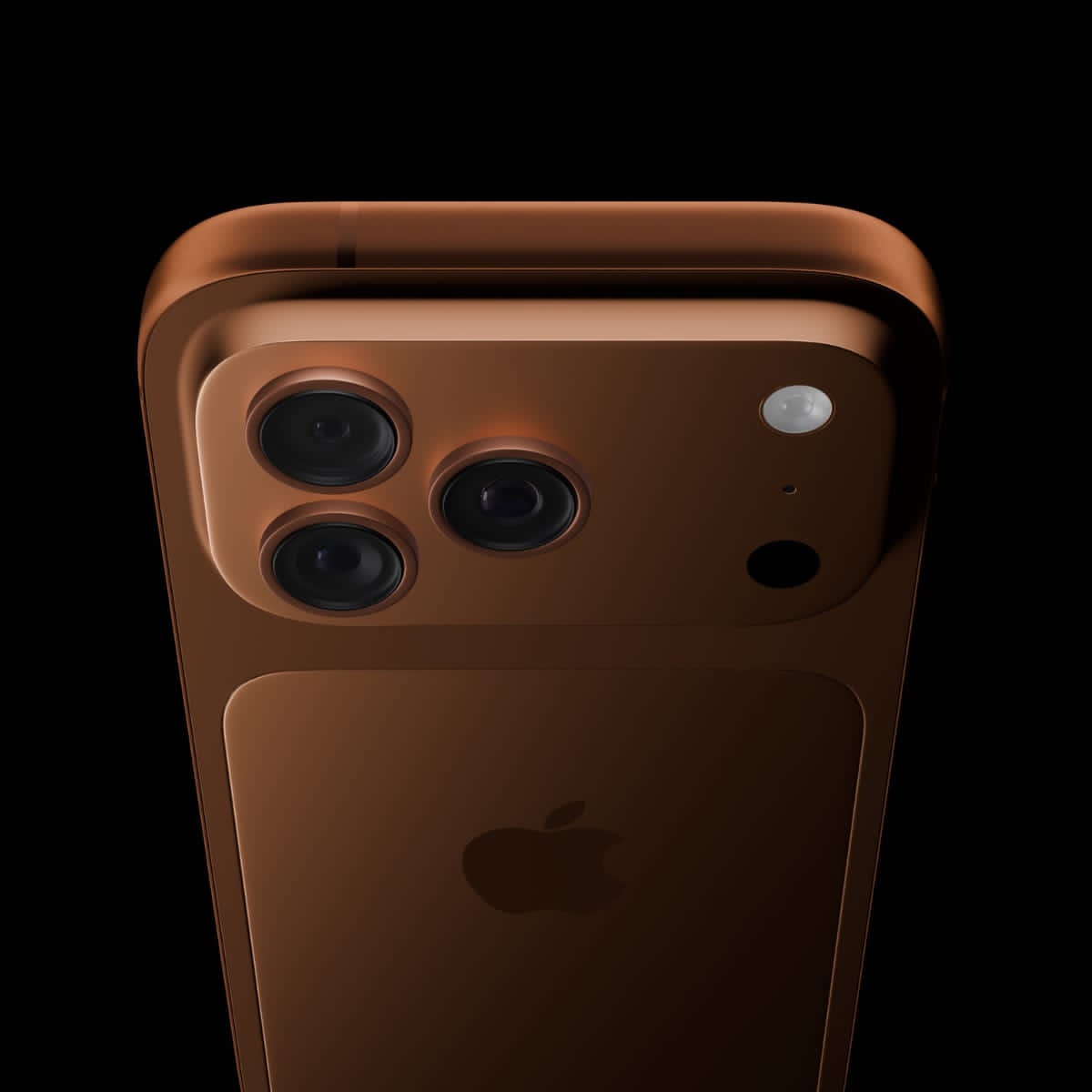
In N’Djamena, smartphones have quietly become a powerful social currency among young women, reshaping their public image and social standing across the city’s bustling neighborhoods.
More than a device: status symbol and digital identity
What was once a simple communication tool has evolved into a key marker of social status. Young women are increasingly associating the latest smartphone models—especially premium brands—with modernity, success, and visibility. Fati, a 21-year-old business student, shares how the absence of a high-end device can impact one’s online presence: “If you don’t have an iPhone, you don’t exist in the digital space. Even for photos, everything revolves around it.”
In a city where social interactions are increasingly shaped by digital platforms, the smartphone serves as both a status symbol and a gateway to recognition. Its role extends beyond functionality, becoming a visual language that communicates wealth, sophistication, and connection to global trends. In certain neighborhoods, owning a cutting-edge device is no longer optional—it’s a prerequisite for social inclusion.
Social media: the stage for curated lifestyles
The rise of smartphone culture is closely tied to the explosion of social media, where curated images of luxury, travel, and high-end fashion dominate feeds. From trendy cafes to stylish outfits, every post reflects not just personal taste, but social aspiration. Mariam Senoussi, 24, explains the pressure: “You have to appear wealthy, even if you’re not. Otherwise, you disappear from the conversation.”
Yet behind these polished images lies a more complex reality. Many young women rely on creative financing—savings, loans, or flexible payment plans—to afford the latest models. The demand is so strong that certain high-end smartphones can cost over one million CFA francs in local markets, far exceeding the budgets of most residents. Despite the financial strain, the desire to keep up remains undeterred.
Economic survival vs. digital visibility
While smartphones dominate the social narrative, they exist alongside the realities of an informal economy. Many young women balance their digital presence with informal work—selling goods, styling hair, sewing, or running small online businesses. In a job market marked by instability, the pursuit of social recognition through digital visibility often feels more attainable than traditional career paths.
Issa Kally, a local phone vendor, notes the trend: “Young women save for months or find creative ways to buy the latest models. It’s not just about having a phone—it’s about being seen.”
For observers, this phenomenon reflects a broader adaptation to economic uncertainty and a digital-first culture. While luxury and aesthetics don’t replace economic activity, they have become tools for social validation in a society where visibility equates to influence.
A generation caught between aspiration and reality
Behind the carefully staged posts lies a generation navigating the tension between modern aspirations and limited opportunities. The smartphone, once a tool of connection, has become a double-edged sword—empowering in visibility but demanding in cost, and often masking deeper financial struggles.