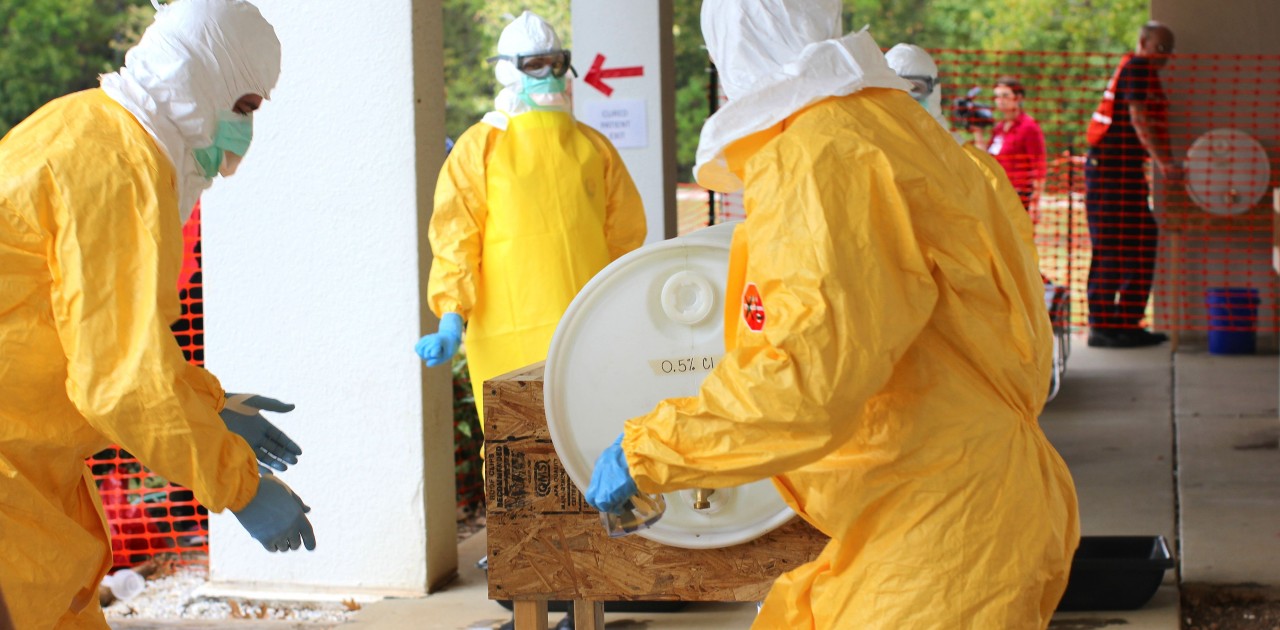
Ebola outbreak in Democratic Republic of Congo under global watch
The Democratic Republic of Congo (DRC) is grappling with a rapidly escalating Ebola crisis, with over 1,000 confirmed cases reported within a single month. The outbreak is concentrated in the eastern provinces of Ituri, North Kivu, and South Kivu—regions already plagued by armed conflict, mass displacement, and severely restricted access to healthcare.
The situation remains largely contained within Central Africa, but the detection of an imported case in France has underscored the potential for international spread, even as health authorities emphasize that the risk remains minimal thanks to robust surveillance and isolation protocols.
This latest surge raises critical questions about the factors fueling the virus’s circulation and whether the outbreak could expand beyond its current borders. The combination of humanitarian crises and public health challenges creates a precarious environment for containment efforts.
Challenges in Containment: Conflict and Limited Healthcare Access
Eastern DRC’s ongoing violence has displaced thousands of residents, forcing many into overcrowded and unsanitary conditions where infectious diseases thrive. Healthcare facilities in these areas are under-resourced, with shortages of trained personnel, medical supplies, and isolation units—key tools for halting Ebola’s spread.
The World Health Organization and local health teams are deploying emergency response measures, including mass vaccination campaigns and community engagement initiatives to promote early detection and safe burial practices. However, logistical hurdles and security threats continue to impede progress.
Health experts warn that without sustained international support, the outbreak could spiral further, particularly as displaced populations move across borders into neighboring countries like Uganda and Rwanda, where similar vulnerabilities exist.
Global Implications: Lessons from Past Outbreaks
The confirmation of an Ebola case in France serves as a stark reminder of the virus’s pandemic potential. While the risk of large-scale international transmission remains low due to modern surveillance systems, the incident highlights the need for preparedness beyond Africa’s borders.
Past outbreaks in West Africa (2014–2016) and the DRC itself (2018–2020) demonstrated how quickly Ebola can exploit gaps in global health security. Today, the international community is closely monitoring the DRC’s response, with funding and technical assistance flowing in to bolster local capacities.
Public health officials stress the importance of preventive measures—such as border screenings and rapid response teams—as critical safeguards against future crises.
What’s Next for the DRC’s Ebola Response?
As the outbreak evolves, several key factors will determine its trajectory:
- Humanitarian access: Securing safe passage for health workers to reach affected communities.
- Vaccine deployment: Expanding rollouts of approved Ebola vaccines to high-risk populations.
- Community trust: Countering misinformation and vaccine hesitancy through targeted education campaigns.
- Regional coordination: Strengthening cross-border collaboration to prevent cross-border transmission.
The coming weeks will be pivotal. With global attention fixed on the DRC, the response must balance immediate containment with long-term resilience-building in one of Africa’s most fragile health systems.
Microscopic view of Ebola virus particles