Cyber violence in Chad: a growing threat for women
In Chad, online harassment has become a major concern, particularly for women. Following the high-profile case of Zouhoura in 2016, where a 16-year-old girl was abducted and assaulted before her attackers disseminated the footage online, the issue has only intensified. A decade later, digital violence continues to plague women across the country, with militants and public figures among the primary targets.
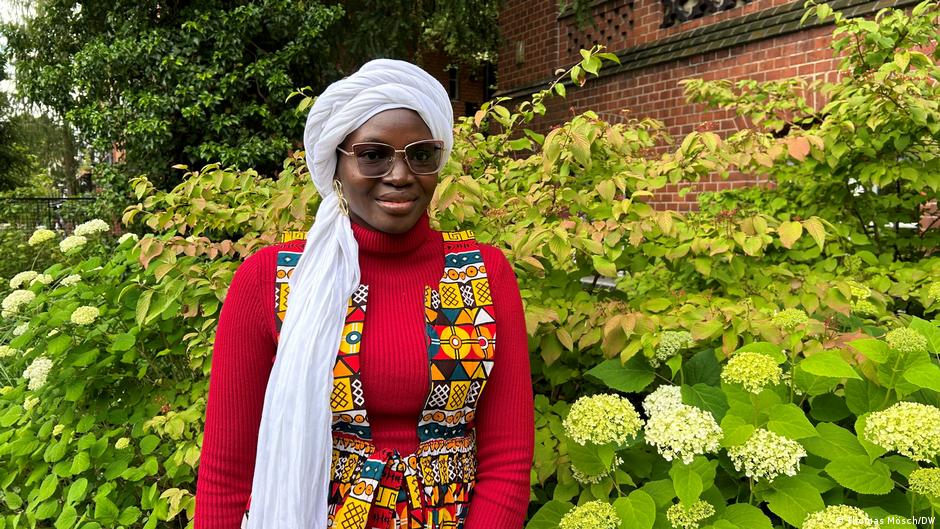
Epiphanie Dionrang, president of the Chadian League for Women’s Rights, has experienced firsthand the devastating effects of cyber abuse. Her activism has made her a frequent target of online intimidation, threats, and hate speech. Speaking on the matter, she highlights how pervasive this issue has become in Chadian society.
Understanding the scope of online harassment
For many Chadian women, the consequences of cyber abuse extend far beyond the digital realm. The psychological toll is severe, manifesting as chronic stress, anxiety, and even depression. Victims often report feelings of shame, isolation, and a significant erosion of self-confidence. In extreme cases, the relentless harassment has led to suicidal thoughts.
According to Epiphanie Dionrang, the tactics used by perpetrators are varied. They may include sexualized threats, hate-filled messages, unsolicited sharing of private information, or coordinated smear campaigns. Some attackers use fake profiles or leverage personal connections to inflict maximum harm. The goal, she explains, is to silence women who dare to speak out or challenge societal norms.
The legal and systemic challenges
Despite the existence of Chad’s National Cybersecurity Agency and a dedicated cybercrime unit, enforcement remains woefully inadequate. Dionrang recounts her own struggles with the justice system, including a case where she filed a complaint for assault and faced years-long delays in identifying the perpetrator. The lack of a comprehensive digital law framework further complicates efforts to address these crimes.
“Even when victims report abuse, they rarely receive follow-up or protection,” Dionrang notes. “Many women hesitate to come forward because they fear retaliation or that their complaints will be ignored.” The absence of safe reporting mechanisms and the culture of impunity only perpetuate the cycle of violence.
Breaking the silence: advocacy and resilience
In response to the growing crisis, activists like Dionrang are leveraging documentaries and public forums to amplify women’s voices. One such effort is the film “Harcèlement 2.0: The Resilience of Connected African Women”, which features Dionrang and other survivors. The documentary has sparked conversations nationwide, encouraging more women to share their stories and seek support.
“Creating safe spaces where women feel heard and believed is crucial,” she emphasizes. “Society must shift from judgment to empathy. Too often, victims are blamed or dismissed without considering the context of their experiences.”
While progress has been made in raising awareness, Dionrang stresses that prevention and repression are equally vital. “Sensitization alone is not enough. We need stronger laws, better enforcement, and a cultural shift that rejects online abuse as a form of violence.”