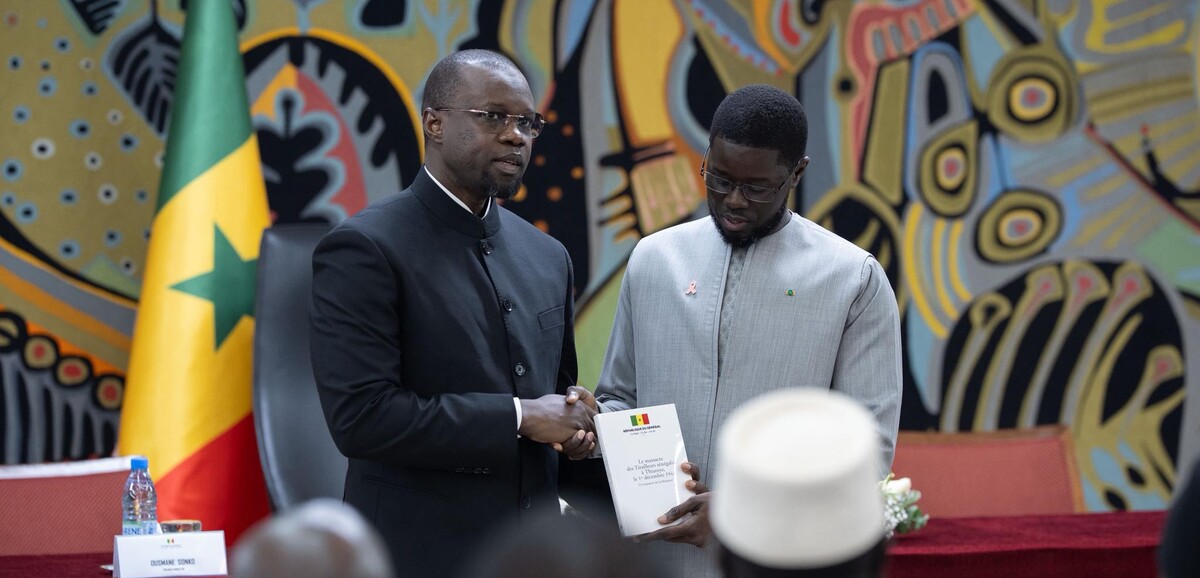
Senegal politics: Ousmane Sonko elected Assembly president after PM dismissal
Political developments.
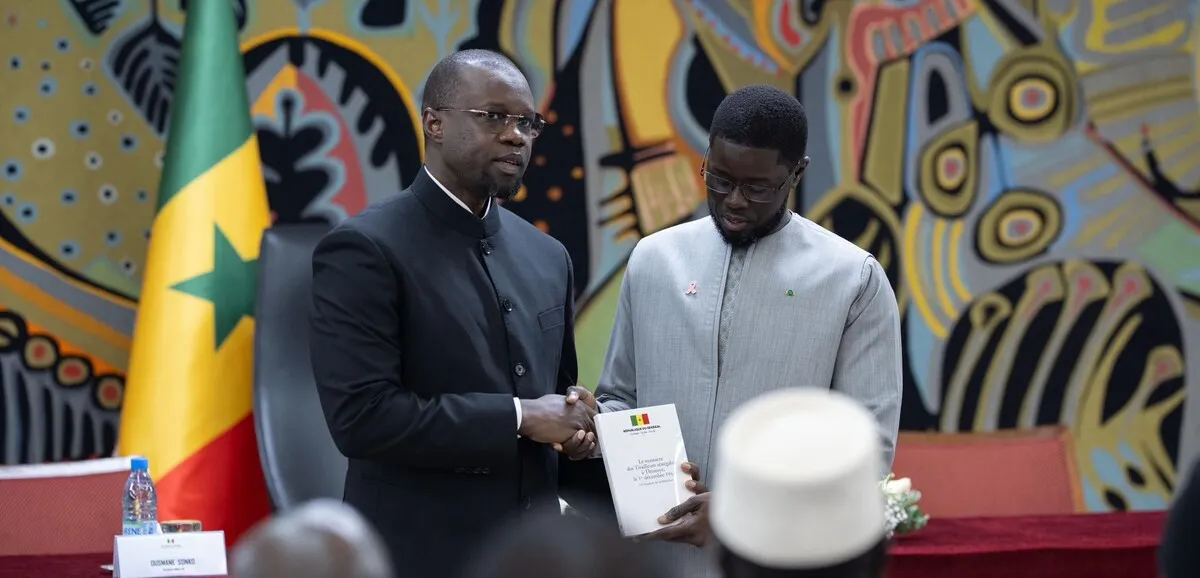
Ousmane Sonko’s swift return to the National Assembly
Just five days after being removed from the Prime Minister’s office, Ousmane Sonko made a remarkable comeback by securing the presidency of Senegal’s National Assembly. This political maneuver has sparked intense debate, particularly regarding the legality of his reinstatement as a deputy. While some argue that his reintegration followed proper parliamentary procedures, others question whether constitutional rules were strictly adhered to.
Sonko’s path back to the Assembly began when he led the victorious electoral list in 2024. Though he initially chose to serve as Prime Minister, his dismissal from that role triggered his desire to return to legislative duties. The legal nuances of his reinstatement have since become a focal point of political discussions in Dakar.
Amadou Al-Aminou Lo appointed as Senegal’s new Prime Minister
The newly elected President of the Assembly took the opportunity to highlight the strategic nature of the appointment. Amadou Al-Aminou Lo, a seasoned economist and former central banker, brings technical expertise to a role that demands financial acumen. His background includes collaboration with both President Bassirou Diomaye Faye and Sonko himself, having served as Secretary-General of the government under Sonko’s previous administration.
In a challenging economic climate, Lo’s selection reflects a preference for competence over political maneuvering. His understanding of monetary policy and financial markets positions him well to address Senegal’s pressing economic concerns. While some might have expected a more overtly political figure, the administration’s choice underscores the value placed on technical proficiency in governance.
Sonko’s reaction: A call for dialogue and consultation
During his inaugural address as Assembly President, Sonko emphasized the importance of national dialogue. Though the constitutional prerogative for appointing a Prime Minister rests solely with the President, Sonko expressed his preference for broader consultation. As leader of the PASTEF party and majority coalition in the Assembly, he believes his input should carry significant weight in government formation.
The political landscape now hinges on whether this call for collaboration will translate into tangible cooperation. The absence of PASTEF ministers in the new government would signal a clear divergence from the party’s priorities. Sonko’s remarks suggest that while institutional processes must be respected, the spirit of partnership remains essential for Senegal’s political stability.
PASTEF’s role in shaping Senegal’s future government
Sonko’s statement, “You cannot build PASTEF without PASTEF,” encapsulates the party’s insistence on maintaining its core principles. Economic accountability, judicial reform, and transparent governance remain central to the PASTEF agenda. While some party members may join the government, Sonko stressed that the focus should remain on policy substance rather than personal appointments.
Notably, several ministers from Sonko’s previous administration—many of whom are PASTEF members—are expected to continue in their roles. Their potential retention will be closely watched as an indicator of policy continuity. Ultimately, Sonko’s message to the Senegalese people centers on fulfilling electoral promises and upholding the PASTEF manifesto that resonated so strongly with voters.
- Senegal politics
- Senegal Assembly