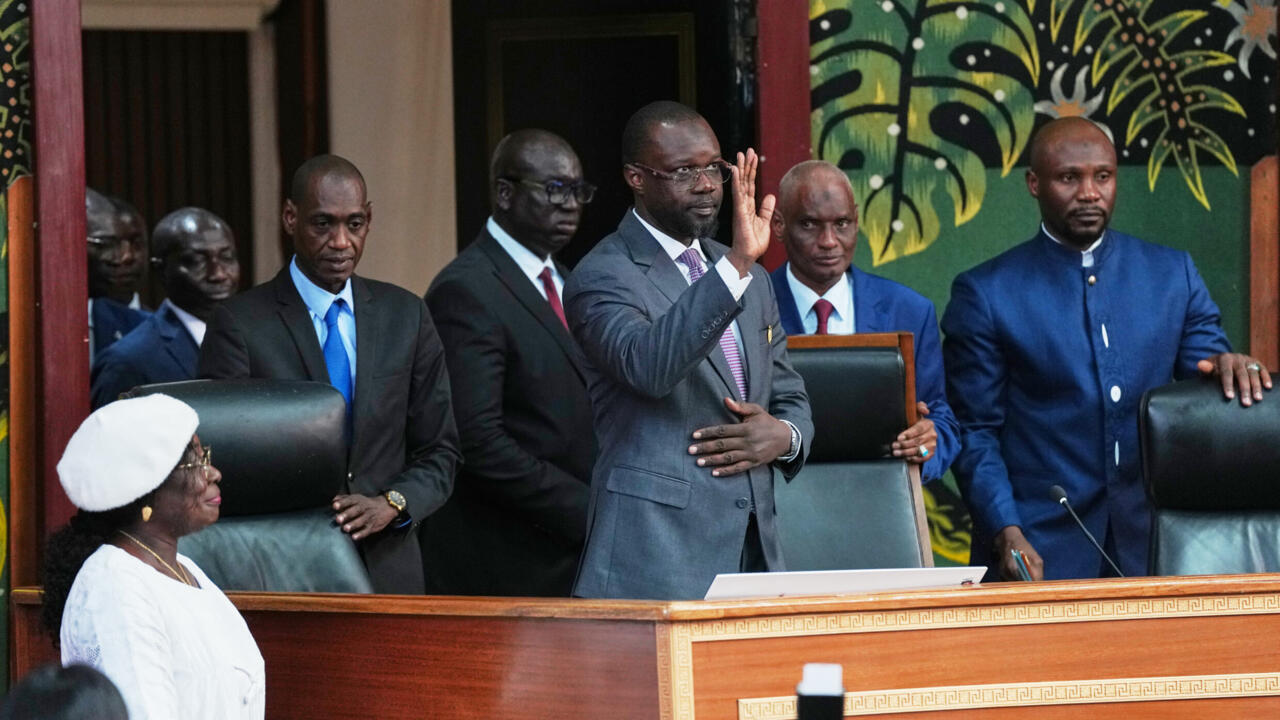
In Dakar, a new chapter in Senegal’s political landscape unfolded on Tuesday morning when Ousmane Sonko, a prominent opposition figure, was elected President of the National Assembly. This development raises critical questions about how President Bassirou Diomaye Faye will navigate governance amid a potentially hostile legislative body.
Challenges and expectations in a divided assembly
The election of Sonko, a former prime minister and longtime rival of President Faye, marks a significant shift in the balance of power. While Sonko has pledged to avoid creating institutional instability, his remarks suggest a firm stance: the Assembly will not simply rubber-stamp government decisions. This raises concerns about the feasibility of smooth cooperation between the executive and legislative branches.
Political analysts are now speculating whether President Faye could consider dissolving the Assembly and calling for early legislative elections to break the deadlock. The situation underscores the delicate nature of cohabitation in Senegal’s democracy, where differing political visions must coexist within the same government framework.
A political science perspective on cohabitation
Mamadou Lamine Sarr, a political science lecturer at the Cheikh Hamidou Kane Digital University in Dakar, weighed in on the implications of this political shift. He emphasized that while cohabitation can lead to institutional friction, it can also foster a more balanced governance model if managed with restraint and mutual respect. The key, according to Sarr, lies in the willingness of both sides to engage in constructive dialogue rather than confrontation.
The path forward: cooperation or confrontation?
The coming weeks will be pivotal in determining whether this cohabitation will be peaceful and productive or fraught with tension. Sonko’s leadership of the Assembly introduces a dynamic where legislative oversight could become more assertive, potentially challenging the executive’s agenda. However, his stated commitment to avoiding crises offers a glimmer of hope for stability.
For President Faye, the challenge will be to build bridges with the new Assembly leadership while maintaining the momentum of his reform agenda. The political landscape in Senegal is entering uncharted territory, where the success of governance may hinge on the ability of both sides to find common ground.
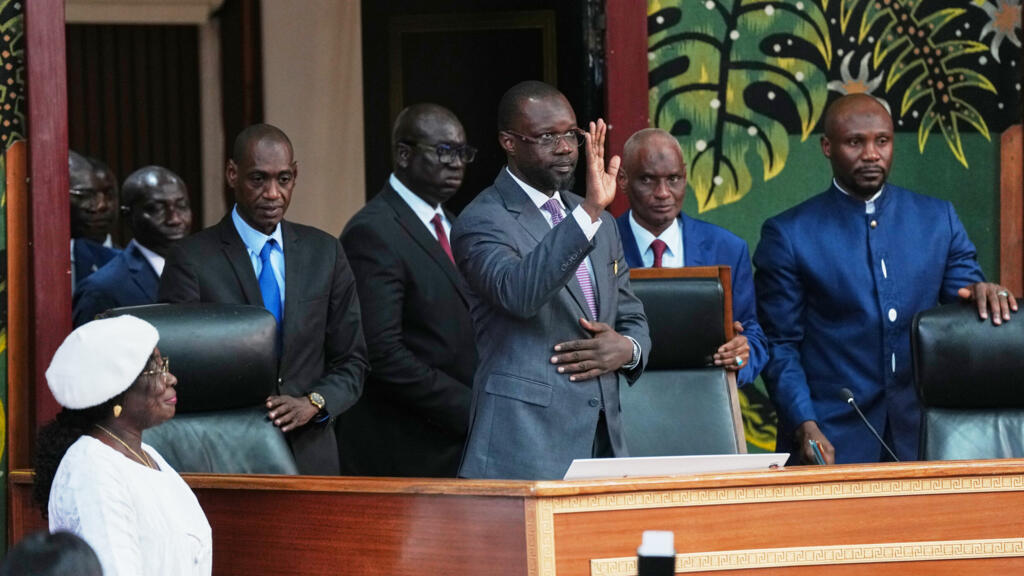
The political chessboard in Senegal has been rearranged, and the next moves will define the country’s governance trajectory. Will this cohabitation serve as a model for inclusive leadership, or will it deepen divisions? The answers lie in the actions of both the executive and legislative branches in the days ahead.