Senegal’s political landscape shifts as Sonko faces tough parliamentary scrutiny
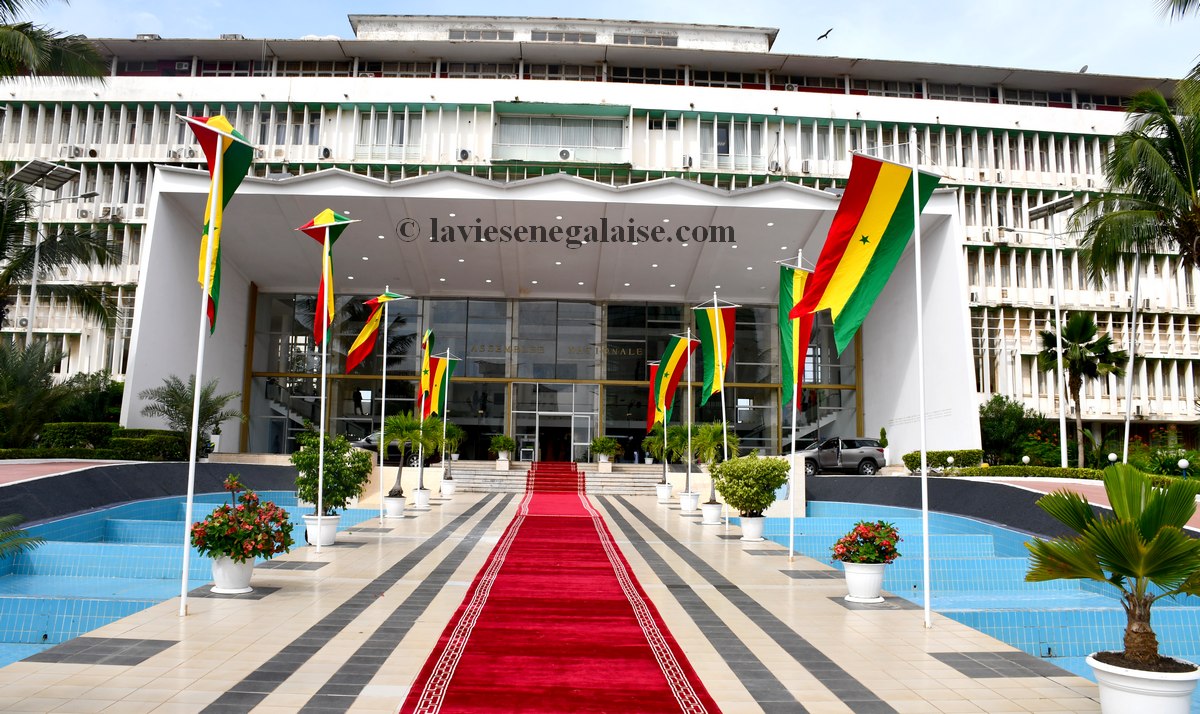
The National Assembly of Senegal witnessed a historic and intense session yesterday as prominent opposition leader Ousmane Sonko appeared before lawmakers for a high-stakes parliamentary questioning. The event, broadcast live, drew significant public attention amid growing political tensions in the country.
Unprecedented parliamentary probe into Sonko’s positions
During the session, Sonko was subjected to rigorous examination on multiple policy matters, including governance, economic reforms, and social policies. Lawmakers questioned him on his party’s stance regarding recent national initiatives and his vision for Senegal’s future development.
The exchange was marked by sharp exchanges, with legislators pressing Sonko on his previous statements and proposed legislation. The opposition leader defended his positions vigorously, emphasizing his commitment to transparency and citizen empowerment.
Key issues dominating the debate
The parliamentary hearing covered several critical topics that have dominated Senegalese political discourse:
- Economic governance: Sonko faced questions about his party’s economic proposals, particularly regarding job creation and poverty reduction strategies.
- Social policies: Legislators scrutinized his views on education, healthcare, and housing initiatives, demanding clarity on implementation timelines.
- Governance reforms: The session delved into his party’s stance on institutional transparency and anti-corruption measures.
- Foreign relations: Sonko was questioned about his position on Senegal’s international partnerships and regional alliances.
Public reaction and political implications
The parliamentary questioning of Ousmane Sonko has sparked widespread discussion across Senegalese society. Citizens and political analysts are closely analyzing the exchange, with many seeing it as a defining moment in the country’s political trajectory.
Political observers note that such high-profile parliamentary sessions are rare in Senegal, underscoring the significance of the event. The outcome of this scrutiny could influence public opinion and shape future political alliances ahead of upcoming elections.
What’s next for Senegal’s political scene?
As Senegal continues to navigate complex political and economic challenges, the role of opposition leaders like Sonko remains crucial. The parliamentary session has set the stage for further debates and negotiations, with both ruling and opposition parties preparing for intensified political maneuvering.
The coming weeks will reveal how this confrontation shapes the national dialogue and whether it leads to constructive policy outcomes for the people of Senegal.