Senegal’s stance on homosexuality: no exceptions under new laws
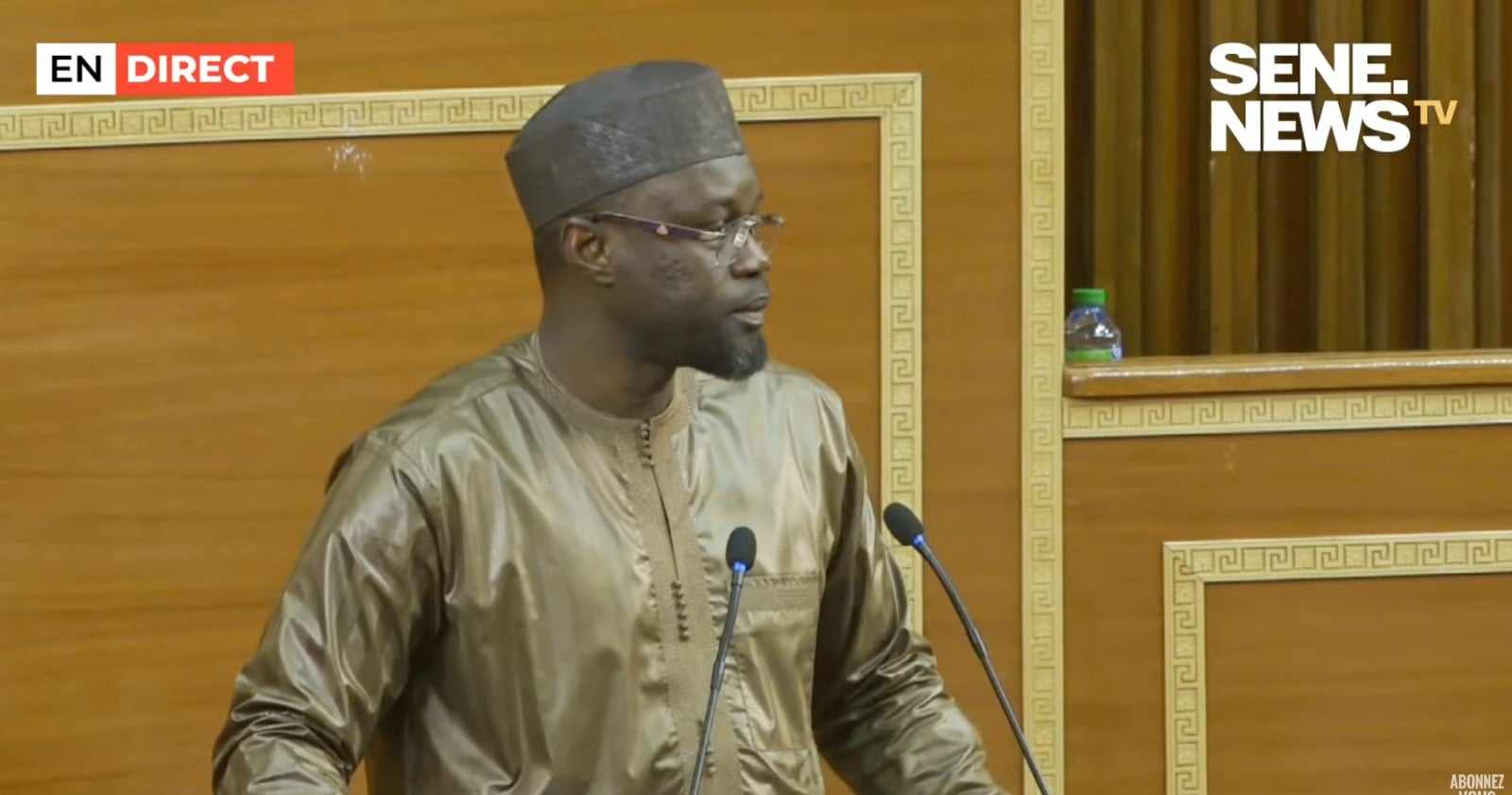
Senegal’s Prime Minister Ousmane Sonko has reiterated the government’s commitment to strengthening anti-homosexuality legislation, vowing strict enforcement regardless of pressure. Addressing domestic and international concerns, he framed the issue as a matter of national sovereignty, rejecting external interference.
The government’s unyielding position on LGBTQ+ issues
In a firm statement, Ousmane Sonko emphasized that Senegal’s legal framework will apply universally, leaving no room for exceptions. He declared, « No one will be shielded from these laws—whether influential figures or ordinary citizens. Once enacted, legislation is impartial and must be enforced in full. » His remarks underscore the executive’s resolve to address what it perceives as a growing social concern.
The Prime Minister went further, attributing the current situation to past inaction, stating, « This is not a recent phenomenon. Previous administrations failed to act decisively, allowing the issue to escalate unchecked. » His comments reflect a broader narrative within the government, positioning itself as the first to take bold steps.
Sovereignty over foreign criticism
Ousmane Sonko directly addressed international backlash, particularly from Western allies, framing their objections as unwarranted interference. He asserted, « Senegalis stand united behind these laws. Criticism only comes from external actors—especially certain Western capitals—who have no right to dictate our values. »
Dismissing calls for legislative delays, he added, « Even African intellectuals seeking to meddle will find no reprieve. There will be no moratorium on this process. » His defiance signals a hardening stance ahead of potential parliamentary debates.
What’s next for Senegal’s legal landscape?
The Prime Minister’s declarations confirm that the government is pressing forward with its agenda, despite mounting scrutiny. As discussions intensify, the nation remains divided on balancing cultural norms, human rights, and international expectations.